Explore Vietnam by Car: The Ultimate Self-Drive Travel Guide
Discover practical tips for renting a car in Vietnam that will ensure a safe and enjoyable journey. From selecting the right vehicle to navigating rental agreements and avoiding common pitfalls, this guide prepares you for an unforgettable adventure.

1. Essential Considerations for Renting a Car in Vietnam
When planning a self-drive adventure in Vietnam, the first step is to understand the unique requirements of renting a car. Unlike many countries, Vietnam has its own set of regulations that can affect your rental experience. Key documents include a valid international driving permit, a passport, and a credit card for the deposit. Ensure that your driving skills meet local traffic conditions, which can be quite challenging for first-time visitors.
Understanding Local Regulations
Local traffic laws can vary significantly, and understanding these is crucial. Speed limits, for instance, are generally lower than in Western countries, with many areas set at 40 km/h in urban regions and up to 90 km/h on highways. Ignoring these limits can lead to hefty fines or, in worse cases, accidents.
Choosing the Right Rental Company
Selecting a reputable rental company is paramount. Look for companies with positive reviews, transparent pricing, and a clear rental policy. Platforms like 8Car provide a user-friendly interface to compare prices, read reviews, and book hassle-free. This ensures you avoid hidden fees and unfavorable terms that some less scrupulous companies may impose.
2. Selecting the Perfect Vehicle for Your Journey
The choice of vehicle can greatly influence your travel experience. Depending on your itinerary, you may need a compact car for city driving or a larger SUV for mountainous terrain. Consider the following:

Vehicle Types and Their Benefits
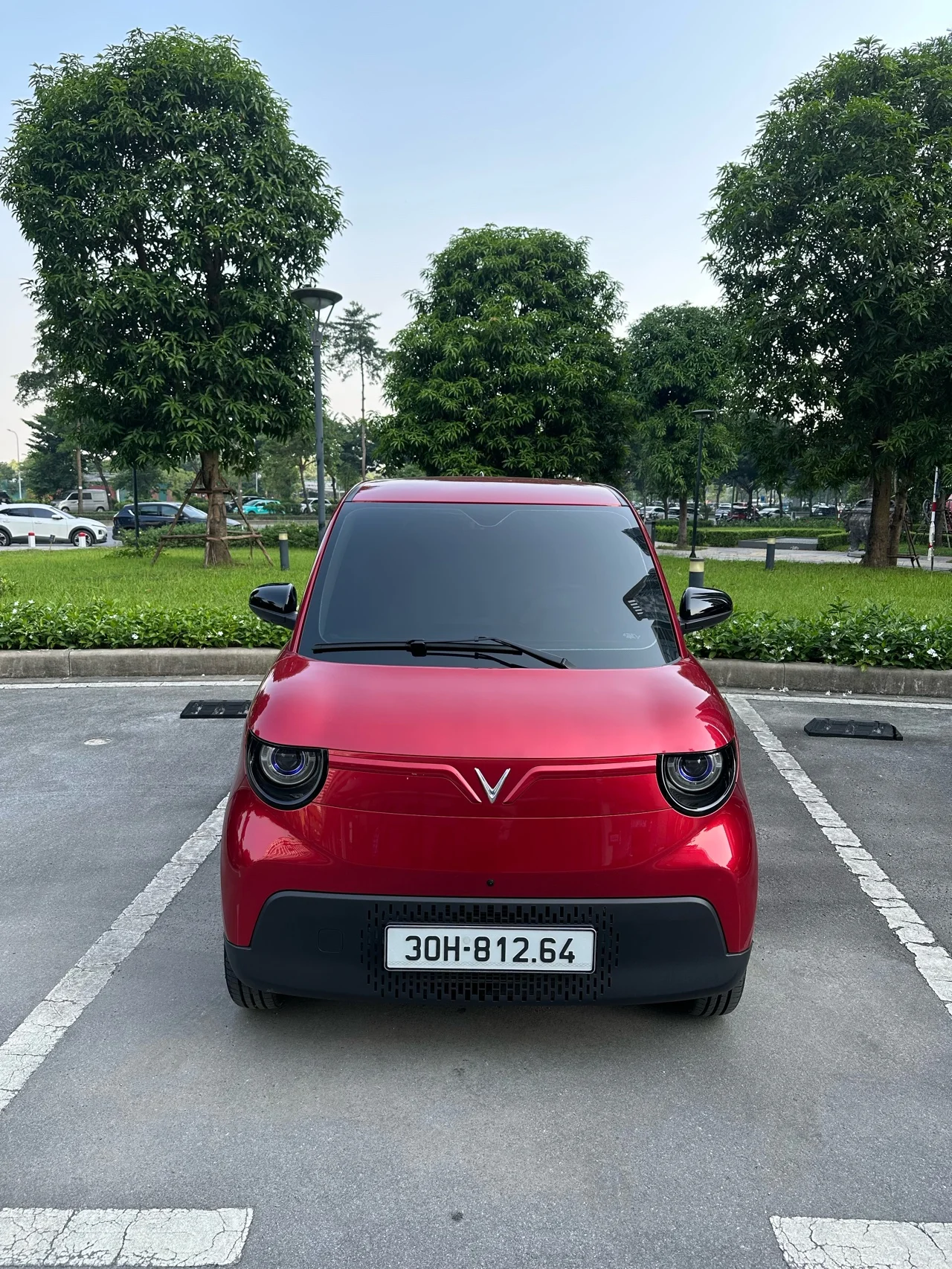
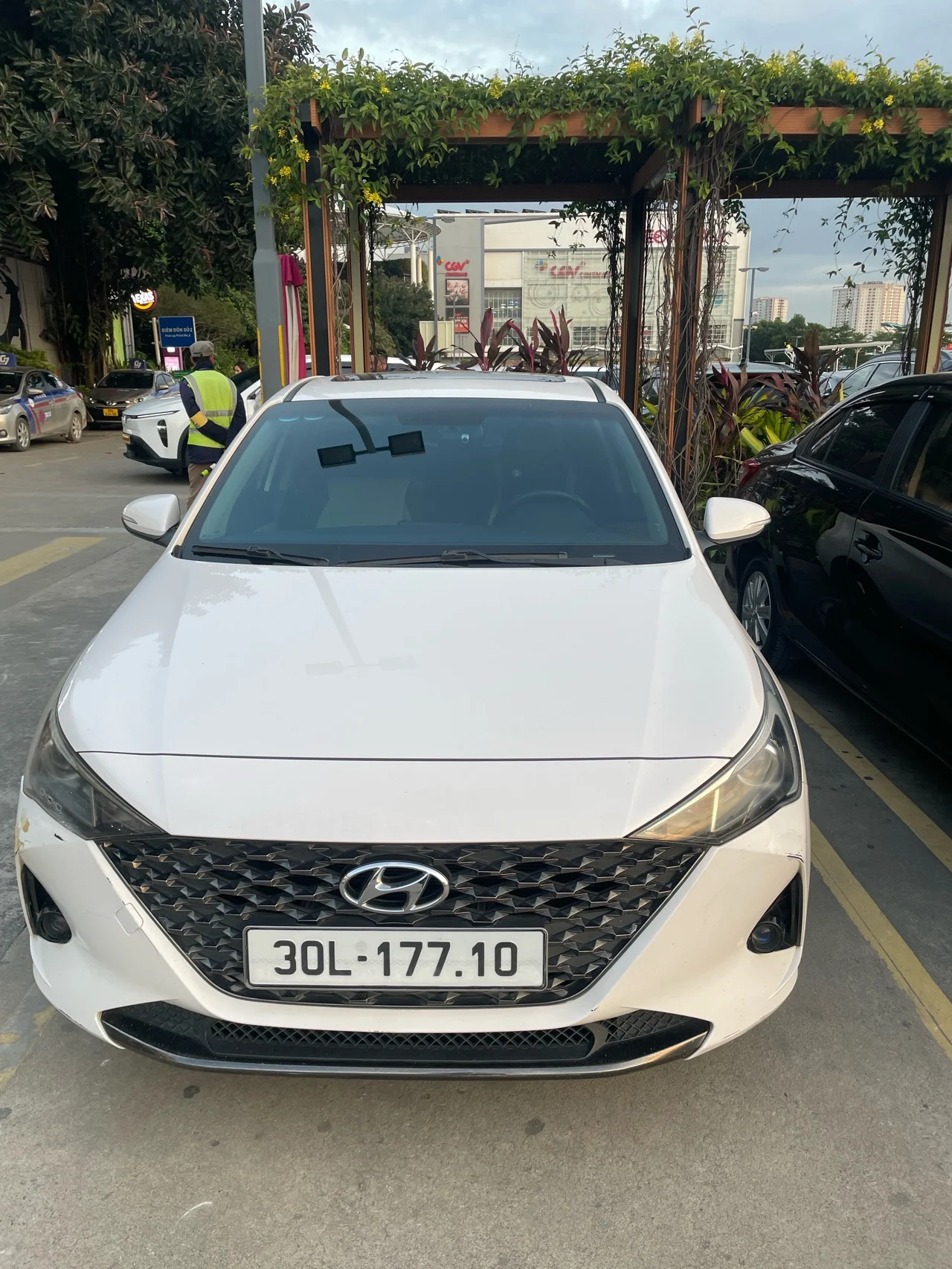
- Compact Cars: Ideal for urban navigation and parking in crowded areas. They often offer better fuel efficiency.
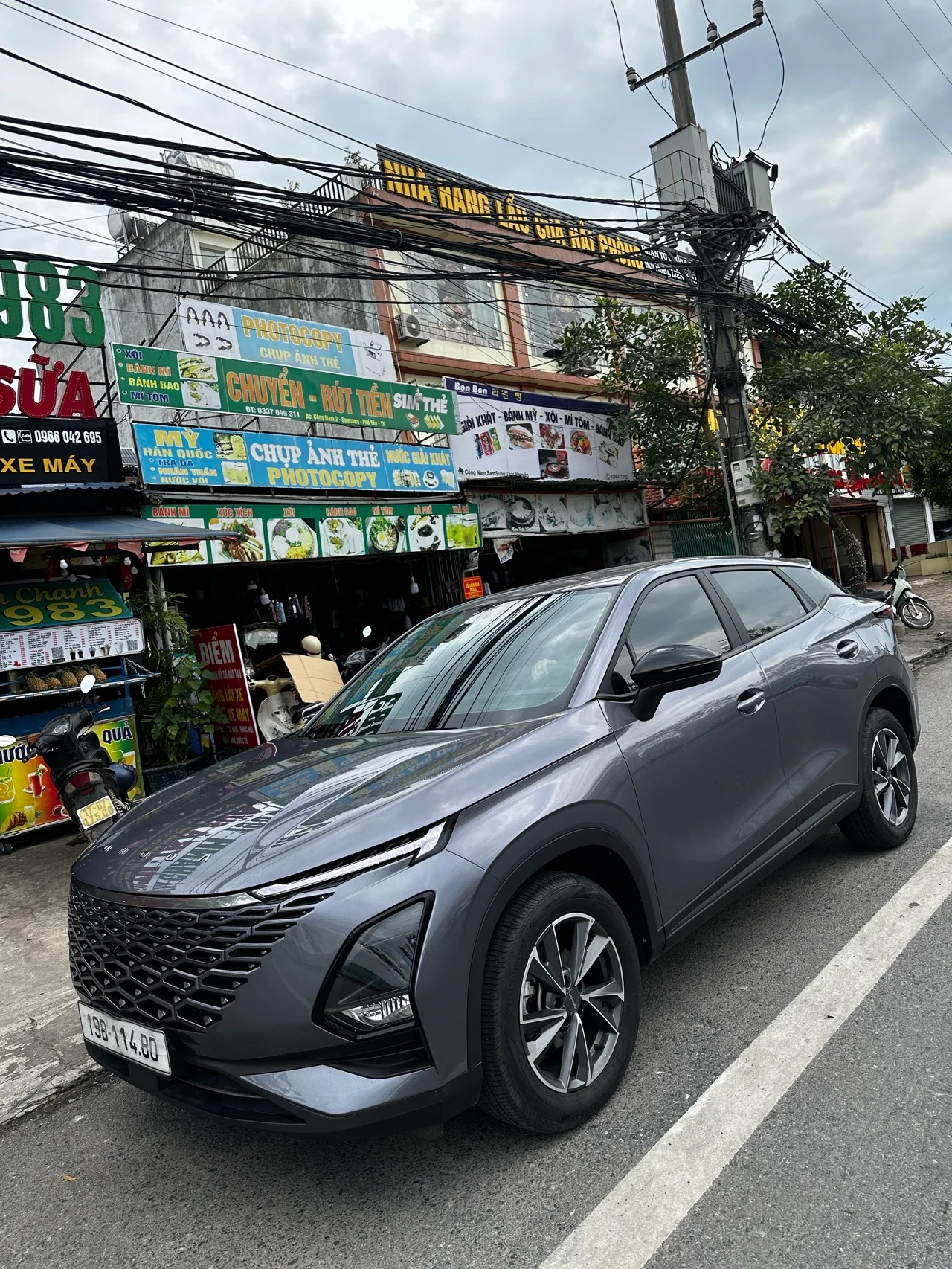
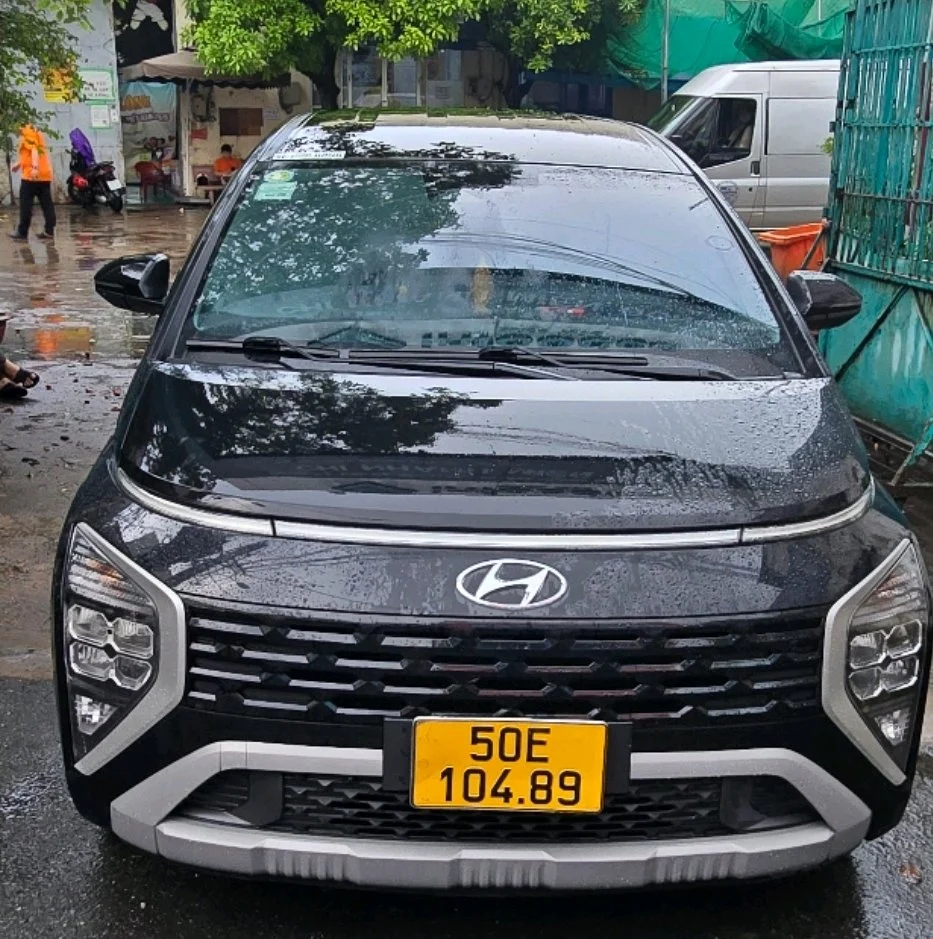
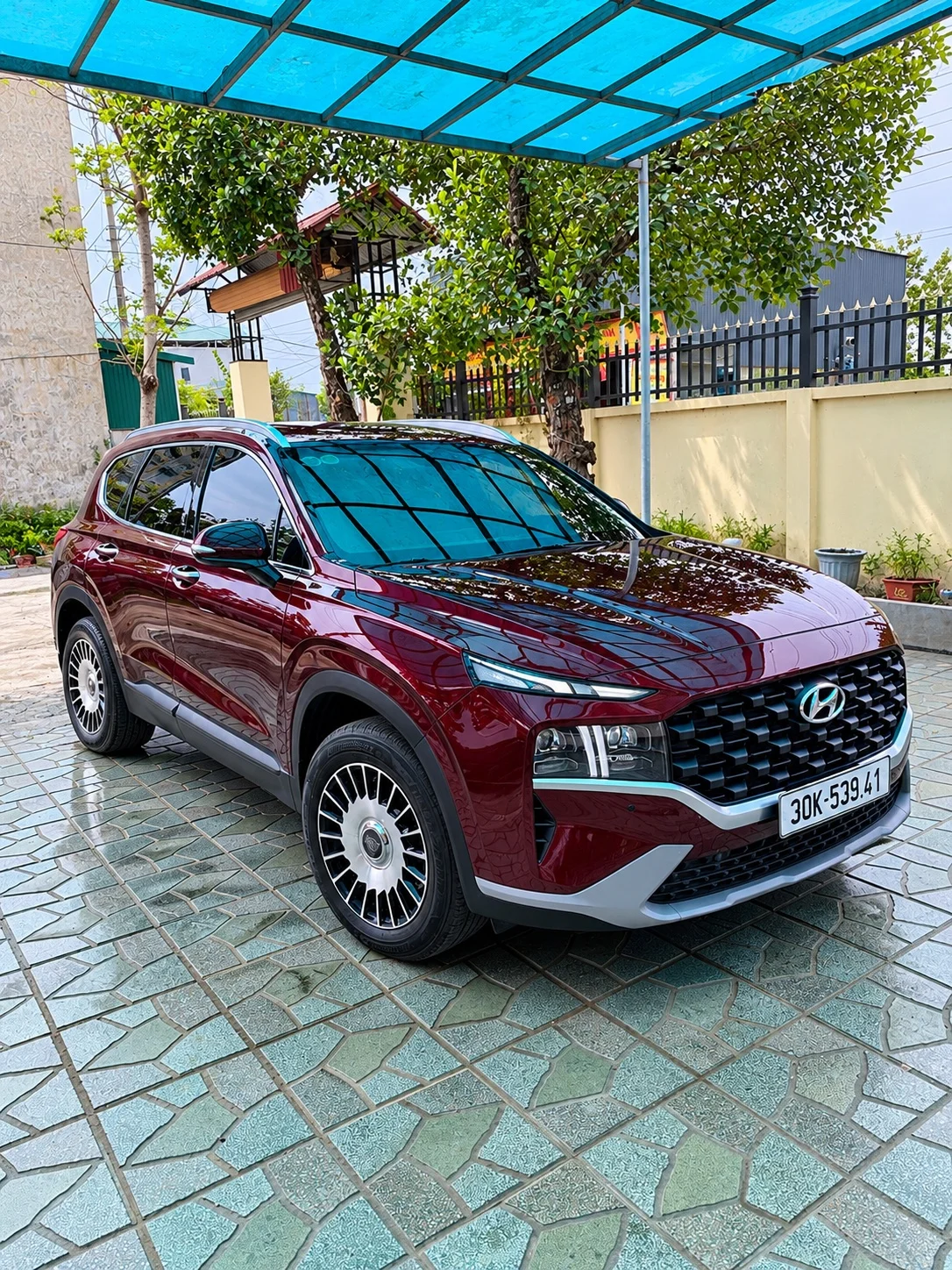
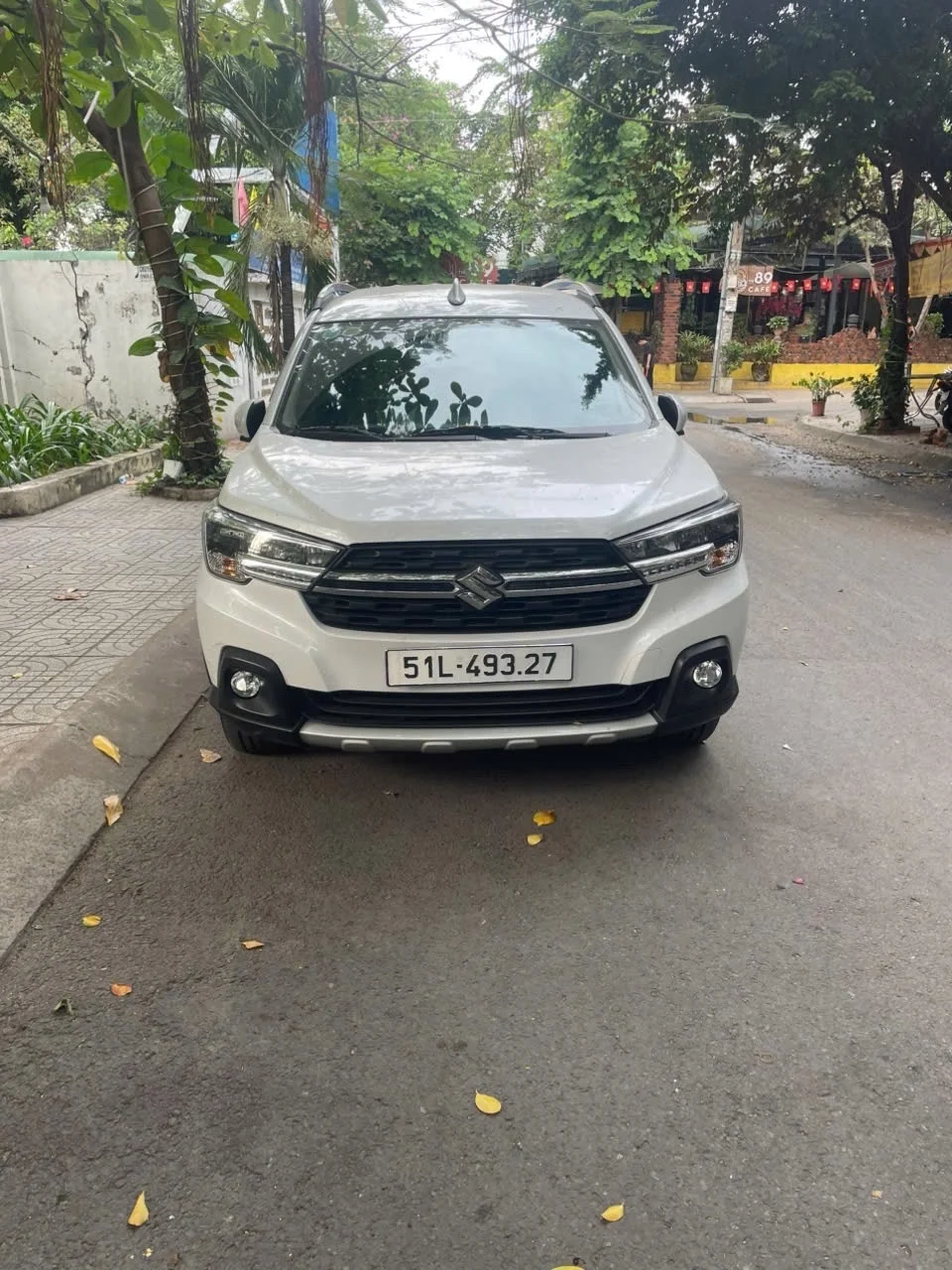
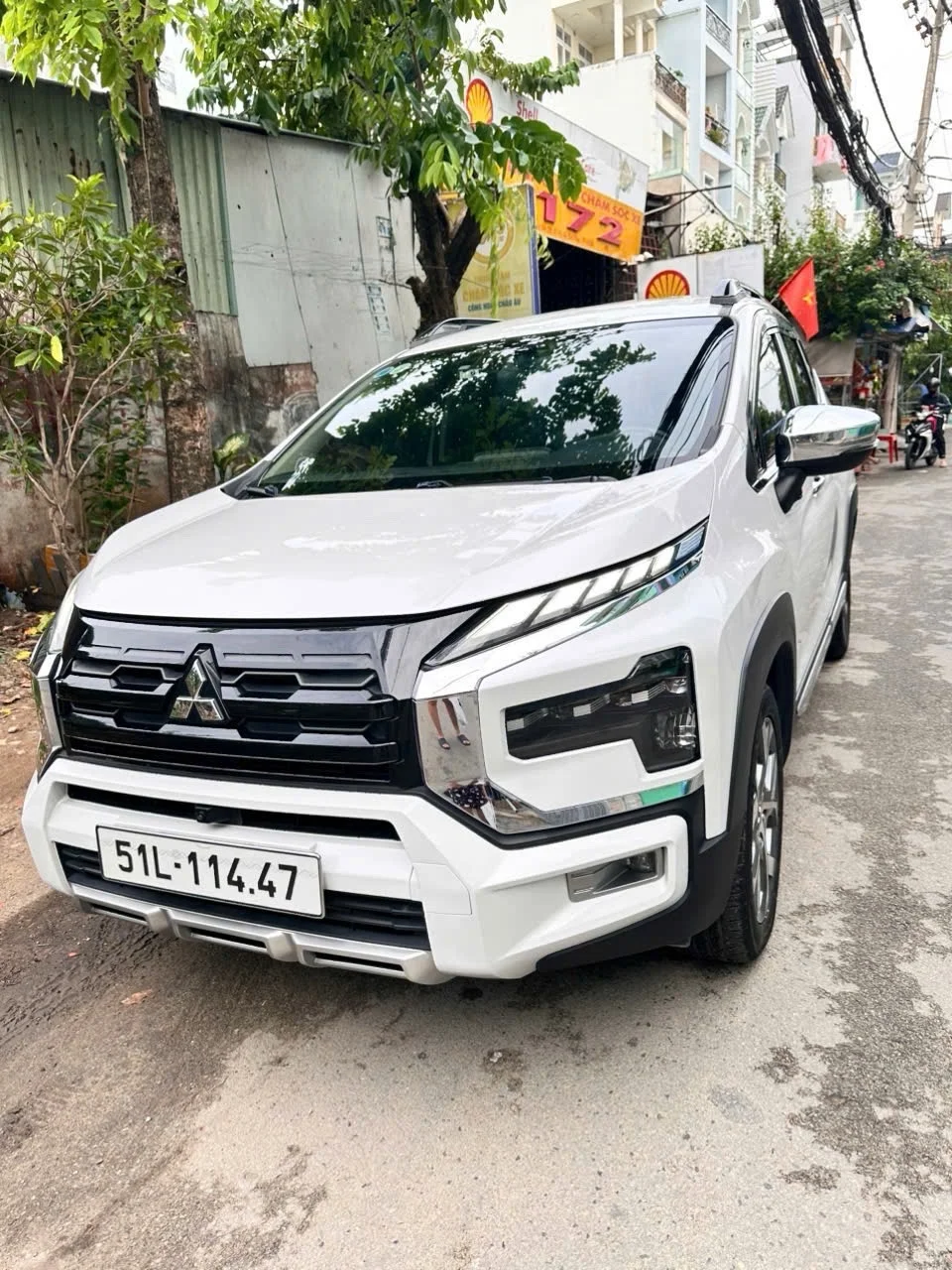
- SUVs: Perfect for exploring rural areas or mountainous regions, providing additional space and comfort.
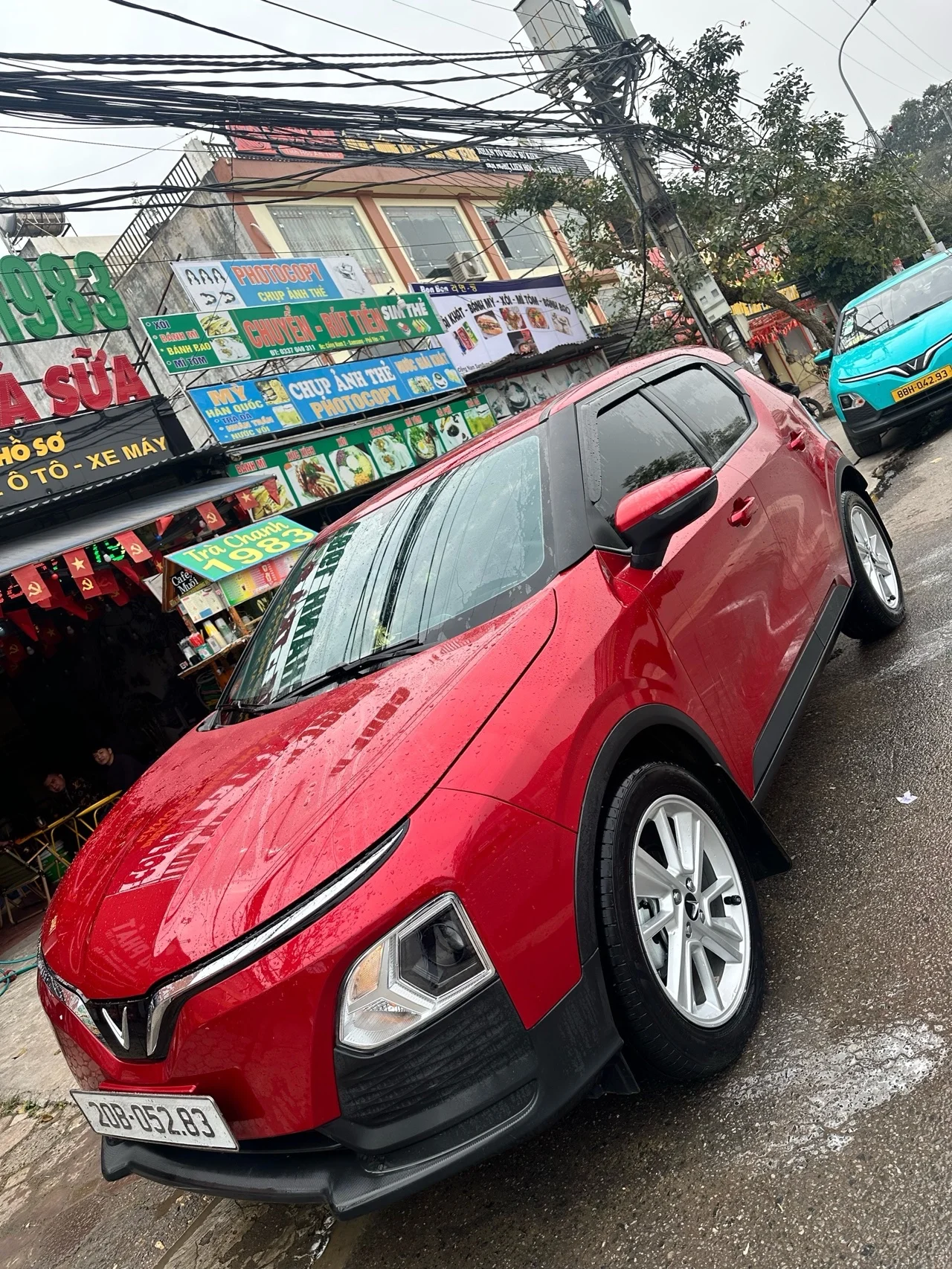
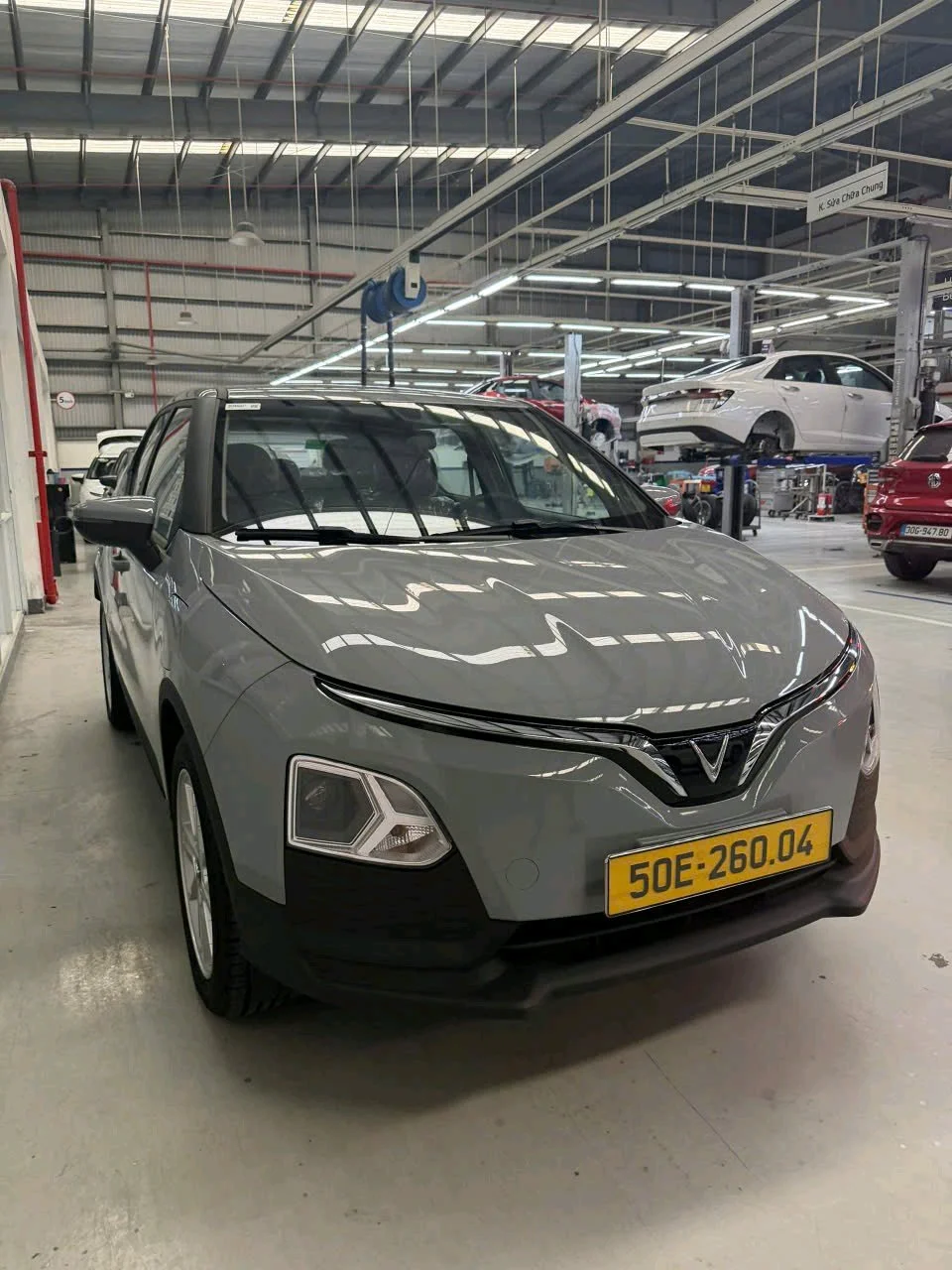
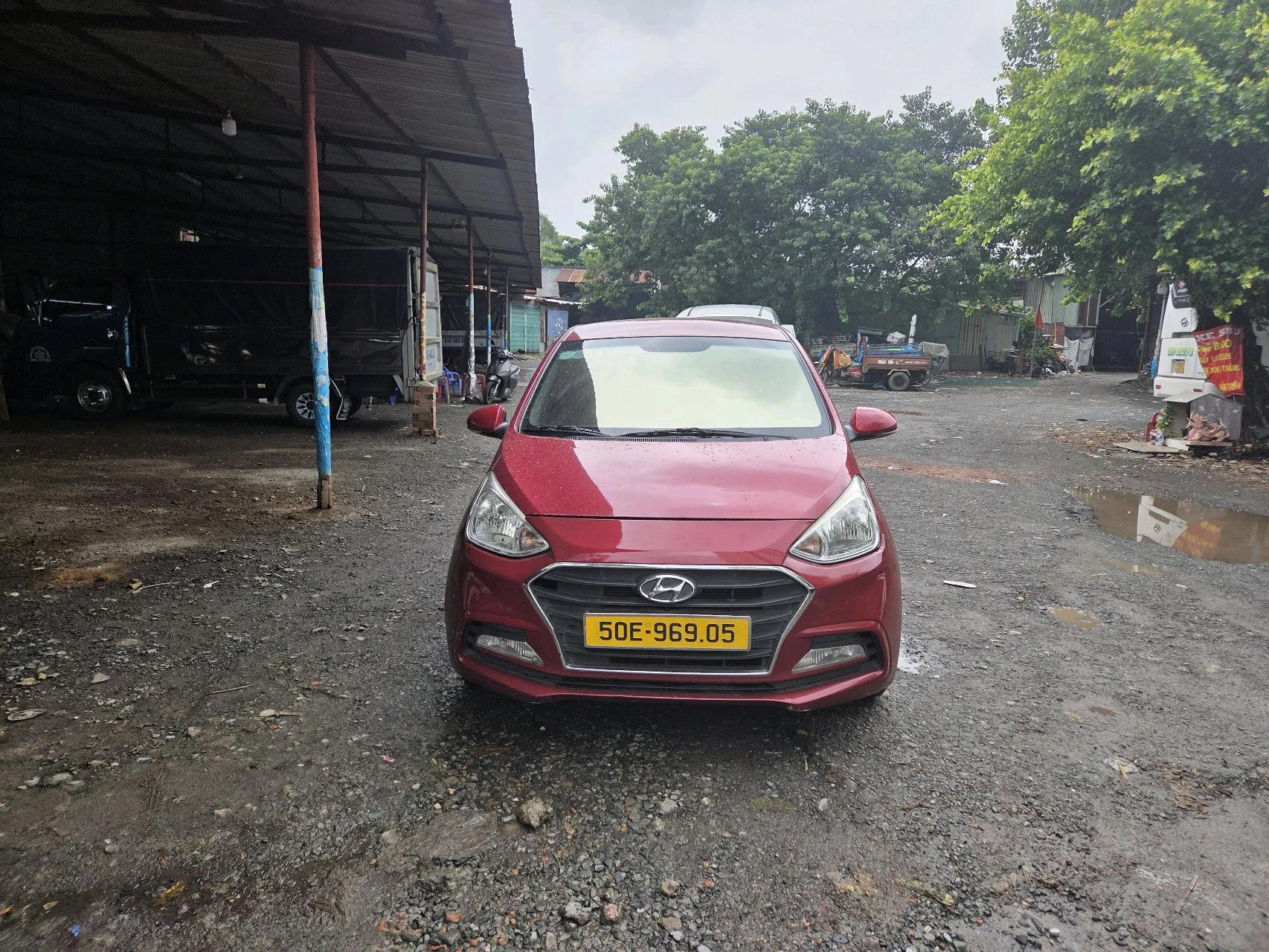
- Electric Vehicles: Options like VinFast models offer eco-friendly travel and lower fuel costs, especially in cities.
Assessing Your Needs
Before making a decision, think about the number of passengers, luggage space, and the type of roads you'll be traveling on. If you're planning to visit popular tourist spots like Ha Long Bay or the mountainous regions of Sapa, an SUV might be best.
3. The Rental Process: Keys to a Smooth Experience
Once you've selected a vehicle, understanding the rental process is vital. This includes the paperwork, fees, and vehicle inspection.
Key Documents and Deposit Requirements
To complete the rental, be prepared to present your driver's license, passport, and a credit card. Some companies may require a cash deposit or a pre-authorization charge. Ensure you understand the terms regarding fuel policies and mileage limits—common practices include full-to-full fuel conditions and daily mileage caps.
Inspecting the Vehicle
Before driving off, conduct a thorough inspection of the car. Document any existing scratches or damages with photos or videos. This checklist will help protect you from unjustified damage claims later:
- Check tire condition and pressure.
- Inspect the exterior for scratches and dents.
- Verify the working condition of lights, signals, and brakes.
- Ensure the fuel level matches what was agreed upon.
4. Driving Safely and Responsibly in Vietnam
Driving in Vietnam can be an exhilarating experience, but it also requires vigilance. Road conditions can be unpredictable, and traffic can be chaotic.
Tips for Safe Driving
Stay alert and be prepared for sudden changes in traffic. Motorbikes are prevalent, and drivers may not always follow traffic rules. Use defensive driving techniques, and always keep a safe distance from other vehicles.
Navigating Without Getting Lost
Using a GPS or navigation app is highly recommended. Ensure your smartphone is equipped with offline maps in case of poor internet connectivity. Familiarize yourself with local landmarks to aid navigation and avoid confusion.
5. Common Mistakes to Avoid When Renting a Car
New renters often make mistakes that can lead to unnecessary expenses or complications. Here are a few to watch out for:
Overlooking the Fine Print
Always read the rental agreement thoroughly. Look for clauses on fuel policy, mileage limits, and any additional fees that may apply. Ignoring these details can lead to unexpected charges upon return.
Failing to Plan for Emergencies
Prepare for the unexpected by having a roadside assistance plan or contact information for your rental company. Understanding what to do in case of an accident or breakdown is essential for peace of mind.
6. Choosing 8Car for Your Rental Needs
For a seamless renting experience, consider using 8Car. This platform offers a wide range of vehicles, transparent pricing, and clear rental agreements without hidden fees. Their user-friendly interface allows you to compare options easily, ensuring you find the best fit for your trip.
Why 8Car Stands Out
With 8Car, you can rest assured knowing that customer service is a priority. They provide support throughout your rental period, making it easier to resolve any issues that may arise. Choosing a reliable rental service is just as important as selecting the right vehicle.
8Car.vn – Thuê xe dễ, lái xe chất! Nền tảng kết nối xe tự lái trực tuyến sẵn sàng đồng hành cùng bạn mọi lúc, mọi nơi:
- Thủ tục tinh gọn: Đặt xe online 100%, duyệt hồ sơ nhanh chóng, chính sách cọc linh hoạt không lo giữ tài sản.
- Đa dạng dòng xe: Hàng trăm mẫu xe 4 – 7 chỗ, xe điện & xe xăng đời mới, được kiểm tra định kỳ và vệ sinh sạch sẽ.
- An tâm tuyệt đối: Giá thuê minh bạch không phát sinh chi phí ẩn, tích hợp bảo hiểm chuyến đi và hỗ trợ kỹ thuật 24/7.
Khám phá & đặt xe ngay để nhận ưu đãi đặc biệt và chủ động trọn vẹn hành trình!


Bài viết gần đây
-
 Best Road Trips in Vietnam for Foreign Tourists 26/11/2026
-
 Xe cho thuê gần khu đô thị lớn: Làm thế nào để tiếp cận khách quanh khu vực? 26/11/2026
-
 Cho thuê xe gần sân bay Nội Bài: Chủ xe cần lưu ý gì? 26/11/2026
-
 Thuê xe tự lái hay thuê xe có tài xế: Phương án nào phù hợp ngân sách? 26/11/2026
-
 Những nhu cầu thuê xe tự lái phổ biến quanh Hà Nội 26/11/2026
-
 Thuê xe tự lái hay đi taxi: Cách tính chi phí cho chuyến đi 2 ngày 26/11/2026
-
 Khách đặt xe qua mạng: Quy trình lập hợp đồng thuê xe cần lưu ý gì? 26/11/2026
-
 Checklist chi phí cần hỏi trước khi xác nhận thuê xe tự lái 26/11/2026
-
 Chi phí road trip cuối tuần bằng xe thuê: Cách chia tiền theo đầu người 26/11/2026
-
 Khách thuê xe Hà Nội thường đi đâu vào cuối tuần? 25/11/2026