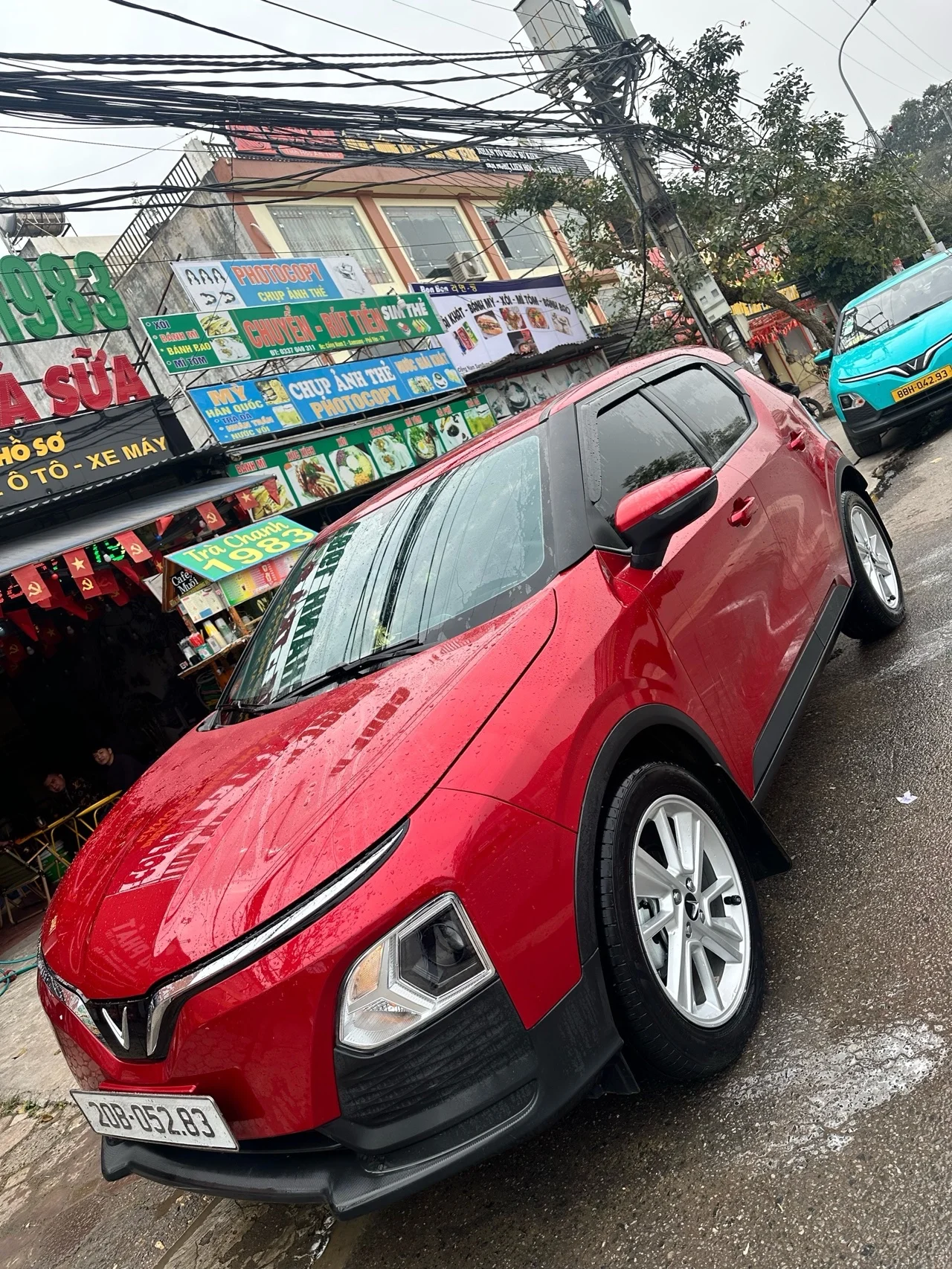
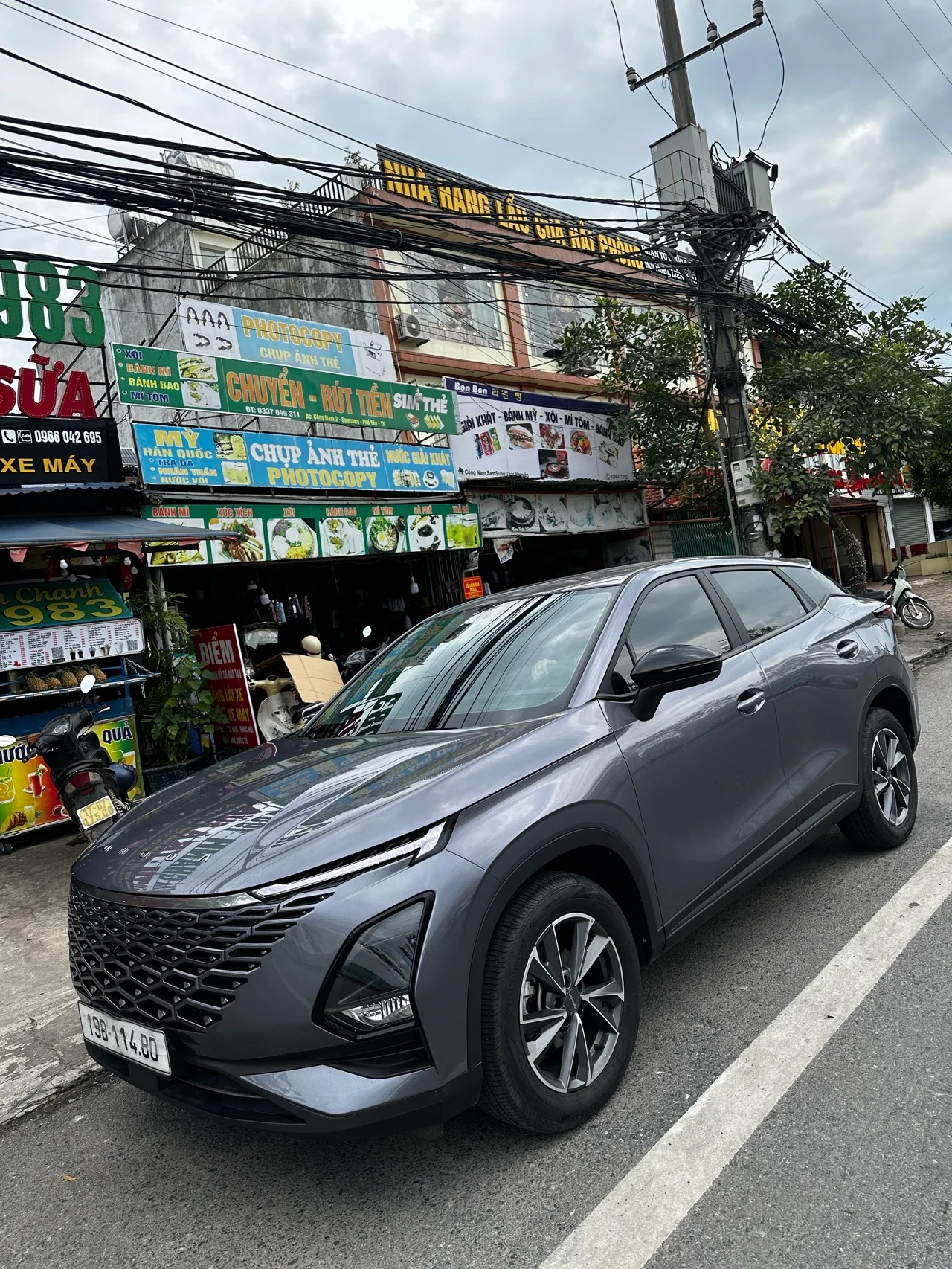
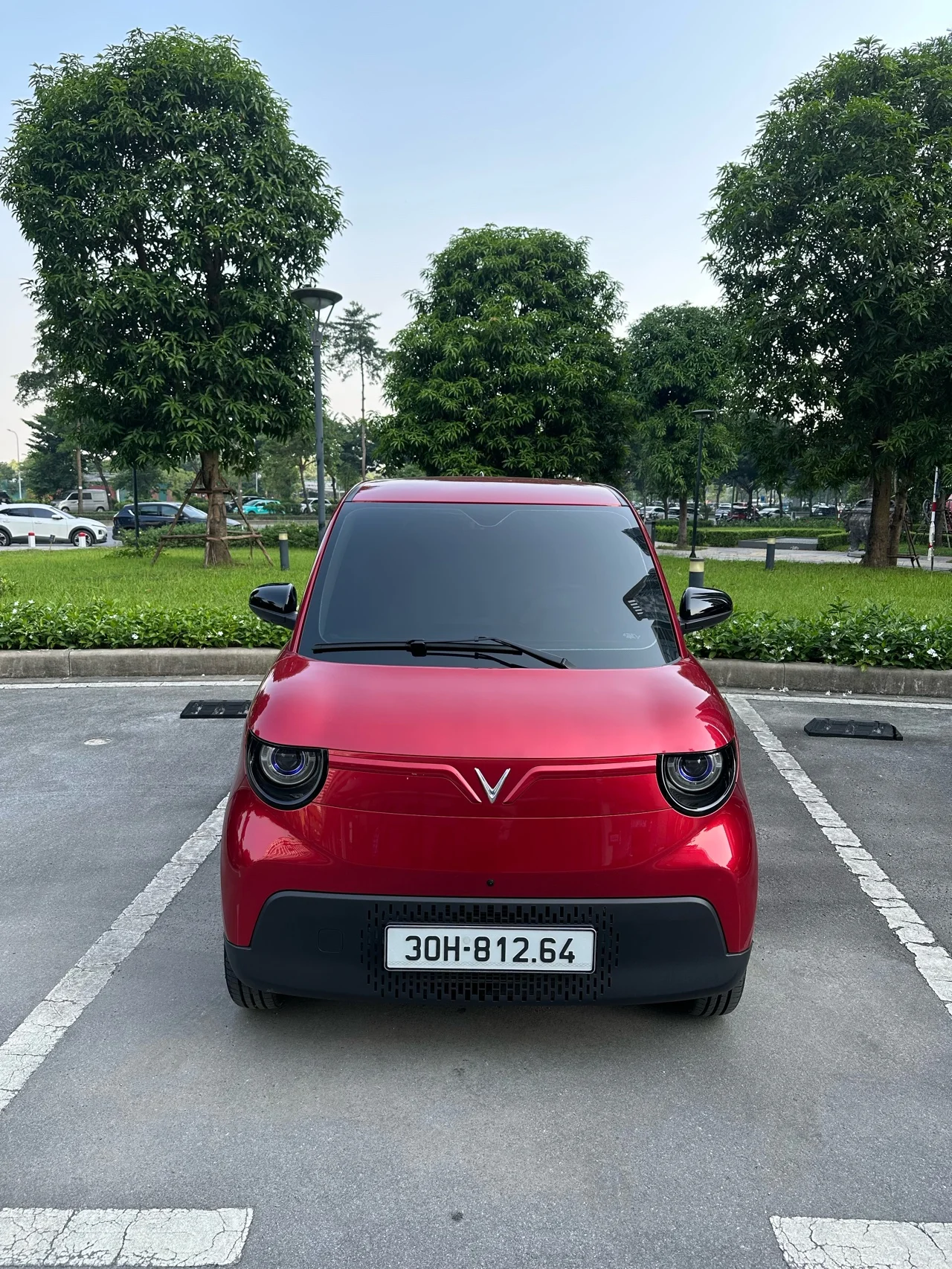
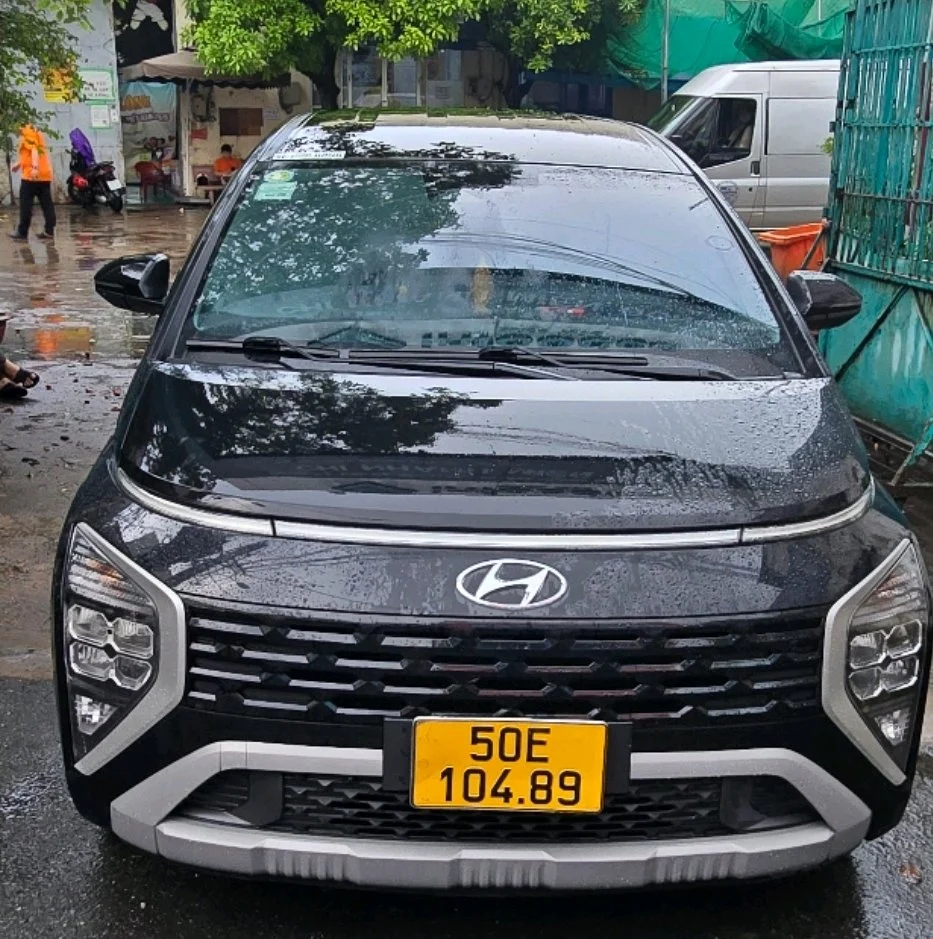
The vehicle was fined after the customer returned it: How should the owner handle the paperwork?
The car owner needs to understand the process of handling documents when the vehicle is fined after the customer returns it. This not only helps protect the asset but also ensures financial rights, avoiding unnecessary losses from not processing in a timely manner.
1. Common causes and situations of cold penalties
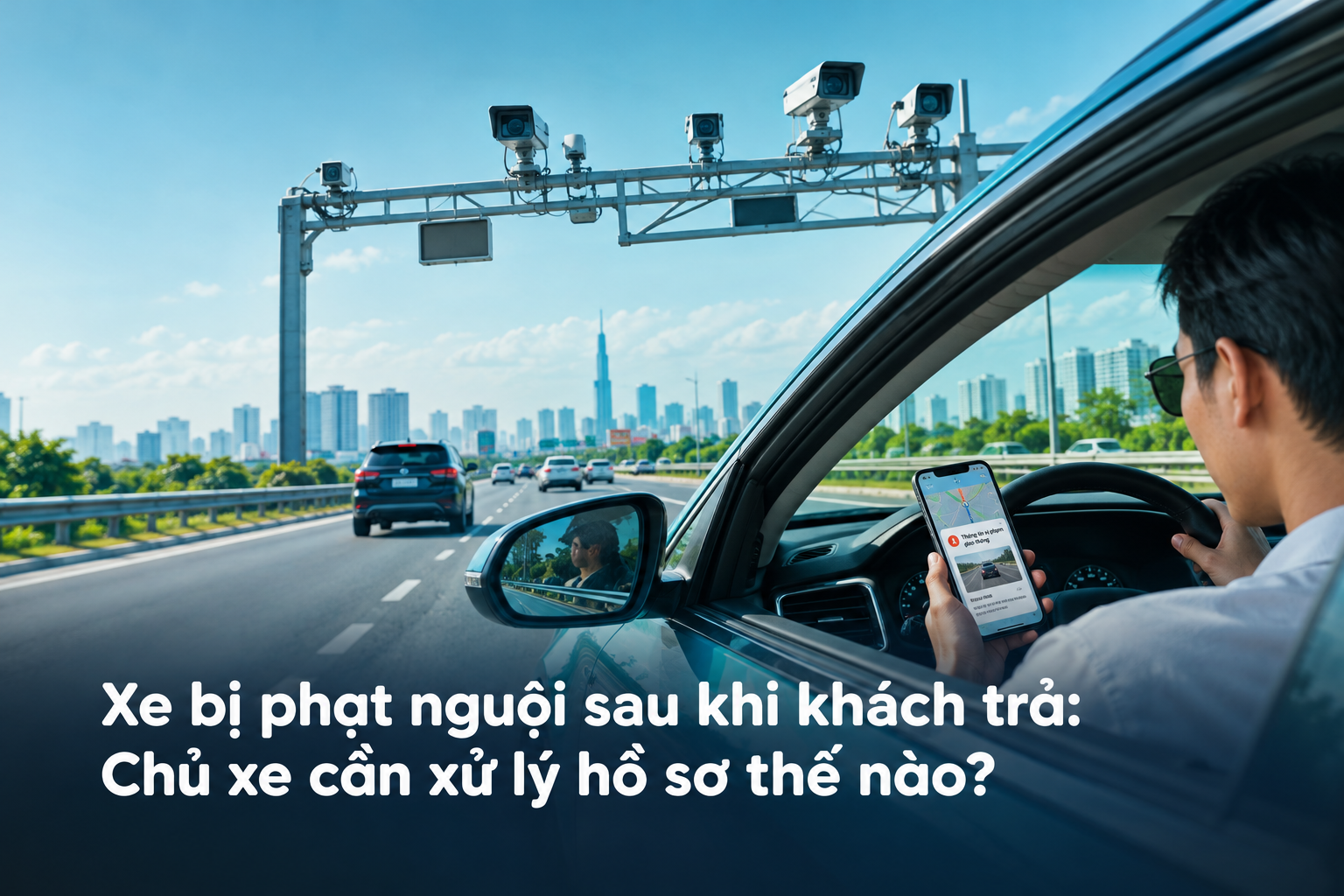
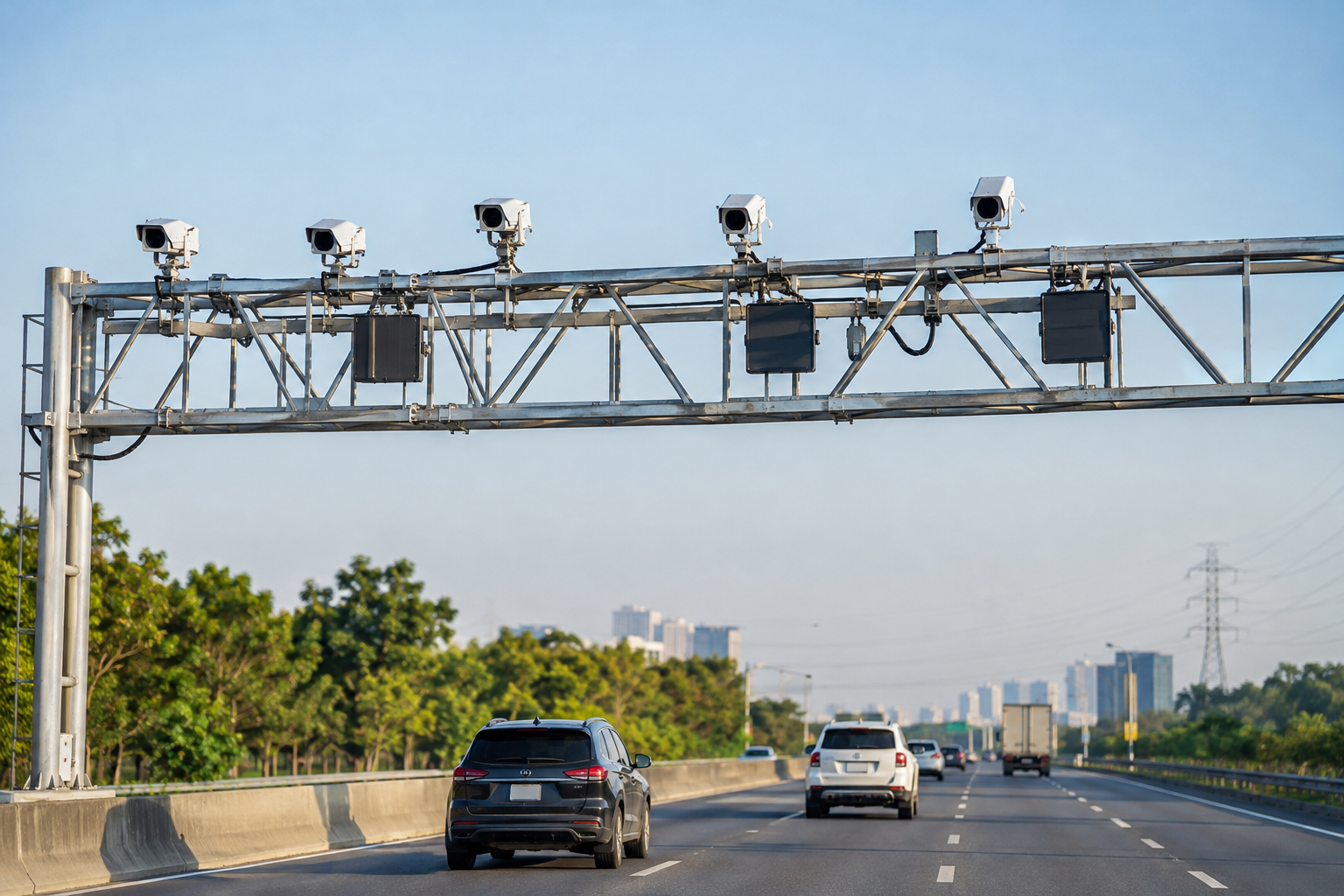
Cold punishmentIt is a form of punishment for traffic violationscar ownermay be encountered even though you are not directly driving the vehicle. Usually, this happens whentenantcommit violations such as running red lights, entering prohibited roads, or parking illegally. Some cold fines can be recorded via traffic cameras, leading to the vehicle owner receiving a penalty notice even when the passenger hasreturn the car.
Car owners need to understand that, even though the car has been delivered to the customer, the legal responsibility still lies with them. This can cause many consequences, from fines to more complicated issues related to records and documents. That's why there is a needprepareand strict management to deal with this situation.
Potential risks from cold fines
If not handled promptly, the vehicle owner may have to face legal consequencesrisklike:
- Penalty costs increase if payments are not made on time.
- Reputation is affected when tenants see that the vehicle has to be fined without being informed.
- Difficulty in protecting legal rights when disputes arise with customers.
2. Effective process for handling cold fine documents
To effectively handle cold penalty records, vehicle owners need to follow these specific steps:
Evaluate penalty information
Immediately upon receiving the penalty notice, the vehicle owner needs to check the authenticity of the information. This can be done through online traffic ticket information lookup applications or by contacting the authorities directly. This helps vehicle owners clearly determine whether their vehicle is actually in violation or not.
Contact tenant for verification
Next, the car owner should contact the lessee to verify the time and circumstances of the violation. This not only helps car owners get accurate information but also creates an opportunity to discuss compensation liability if necessary. Some questions to ask may include:
- Are guests aware of the violation?
- Did guests record any information from the police or cameras?
Prepare records and notify fines
After having clear information, the vehicle owner needs to make a record to record penalty information, including:
- Date and time of violation, location of violation.
- Tenant information, including phone number and address.
- Evidence related to the violation (if any).
This record will be the basis for working with the authorities as well as in case of needing to request compensation from the tenant.
3. Negotiate and request compensation from tenants
Once there is enough information and evidence, the car owner should negotiate with the lessee about compensation for penalty costs. Here are the points to note:
Discuss responsibility
Car owners should clearly discuss with their tenants their responsibility for causing traffic violations. If the customer is conscious and accepts compensation, this will be the smoothest way to handle it. Car owners should prepare the necessary documents to prove the cost of the fine and the reason for the compensation claim.
Agreement and document preparation
If the tenant agrees to compensate, a minutes of agreement should be drawn up between both parties, clearly stating the amount of compensation and form of payment. This will help protect the interests of both parties and avoid unnecessary disputes later.
4. Prevent the risk of cold penalties in the future
To minimize the possibility of encountering a cold penalty situation, car owners need to pay attention to the following issues:
Verify tenant information
Before handing over the car, the car owner should carry out a thorough tenant appraisal process. This may include checking identification documents such as chip-embedded ID cards, driver's licenses, and other personal information to assess the guest's reputation and responsibility.
Clearly stated in the rental contract
In the car rental contract, it is necessary to clearly stipulate the customer's responsibilities in case of traffic violations. The car owner can apply a specific penalty policy or request compensation so that customers understand that they need to be responsible for the car during the rental period.
5. Key advice for car owners when handling cold fines
In fact, handling fines coldly can cause a lot of trouble if not carefully prepared. Car owners should remember the following points:
- Always keep records and documents related to car rental so you can easily look up when necessary.
- Make sure you have a clear and informative rental contract to protect your rights.
- Regularly update information on traffic laws to be able to advise tenants accurately.

8Car.vn – Easy rental, quality drive! Our online self-drive car rental platform is ready to accompany you anytime, anywhere:
- Streamlined process: 100% online booking, fast document approval, and flexible deposit policies with no asset collateral worries.
- Diverse fleet: Hundreds of late-model 4–7 seater EVs & gasoline cars, regularly inspected and thoroughly cleaned.
- Complete peace of mind: Transparent pricing with no hidden fees, integrated trip insurance, and 24/7 technical support.
Explore & book now to enjoy special offers and take full control of your journey!


Recent posts
-
 Best Road Trips in Vietnam for Foreign Tourists 26/11/2026
-
 Explore Vietnam by Car: The Ultimate Self-Drive Travel Guide 26/11/2026
-
 Car rental near large urban areas: How to reach customers in the surrounding area? 26/11/2026
-
 Car rental near Noi Bai Airport: What should car owners pay attention to? 26/11/2026
-
 Renting a car with a driver or renting a self-drive car: Which option fits the budget? 26/11/2026
-
 Common car rental needs around Hanoi 26/11/2026
-
 Renting a car or taking a taxi: How to calculate costs for a 2-day trip 26/11/2026
-
 Customers booking cars online: What should be noted in the car rental contract process? 26/11/2026
-
 Checklist of costs to inquire about before confirming a car rental. 26/11/2026
-
 Weekend road trip costs by rental car: How to split expenses per person. 26/11/2026