Renting a car for business trips to multiple provinces: Things to prepare
Prepare thoroughly for your business trip by choosing the right vehicle, understanding the car rental procedures, and carefully inspecting the vehicle upon receipt. Detailed guidance from 8Car helps you save costs and avoid the risk of unjust compensation.

1. Things to note when choosing the right car model
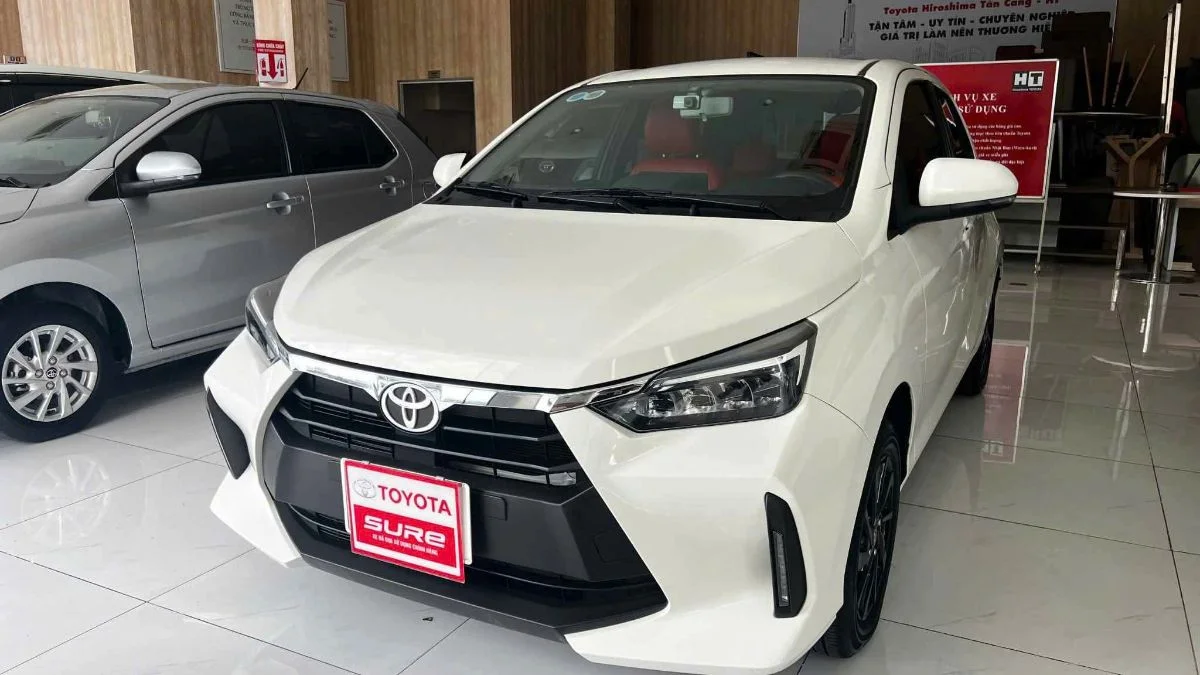
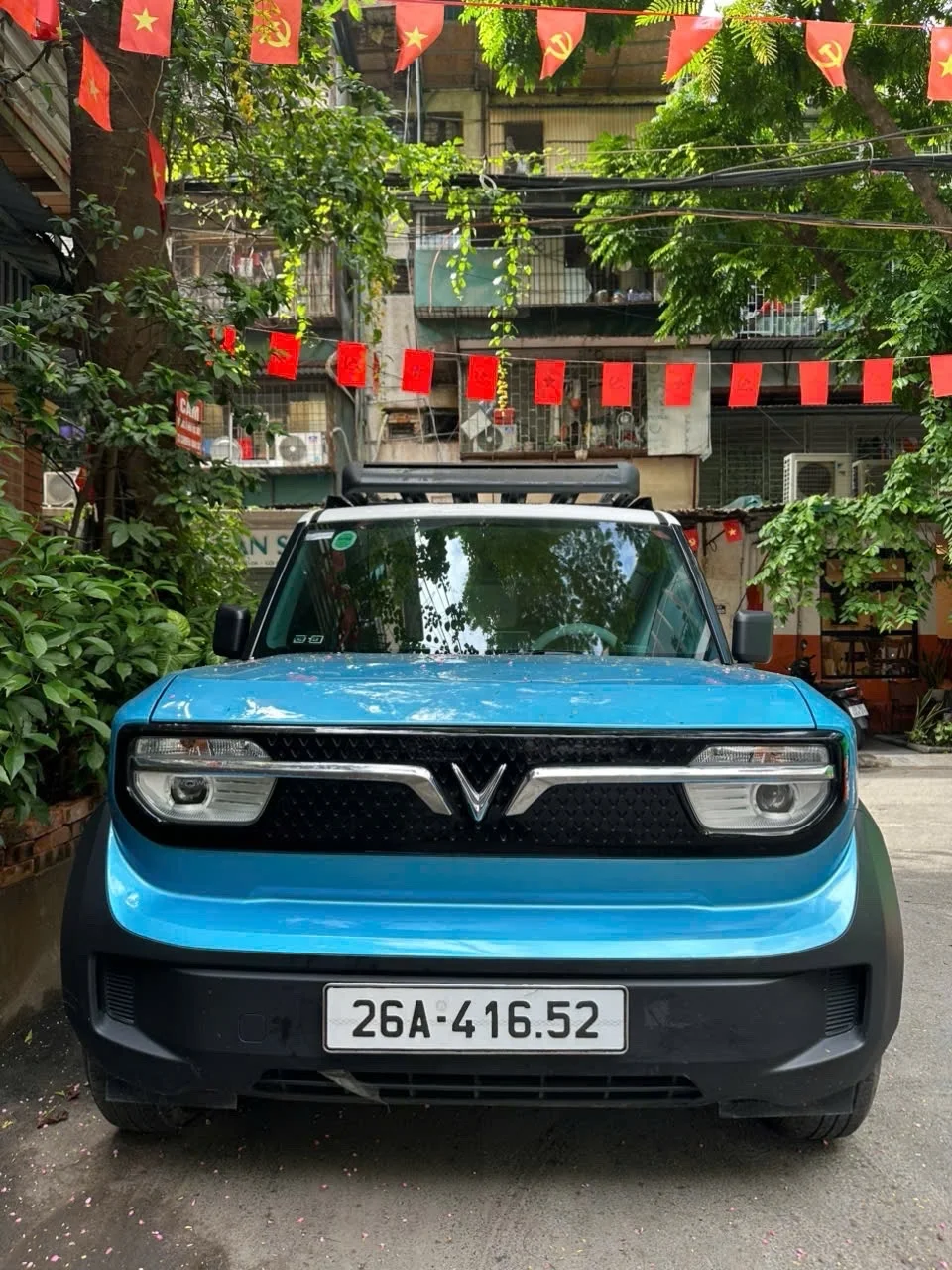
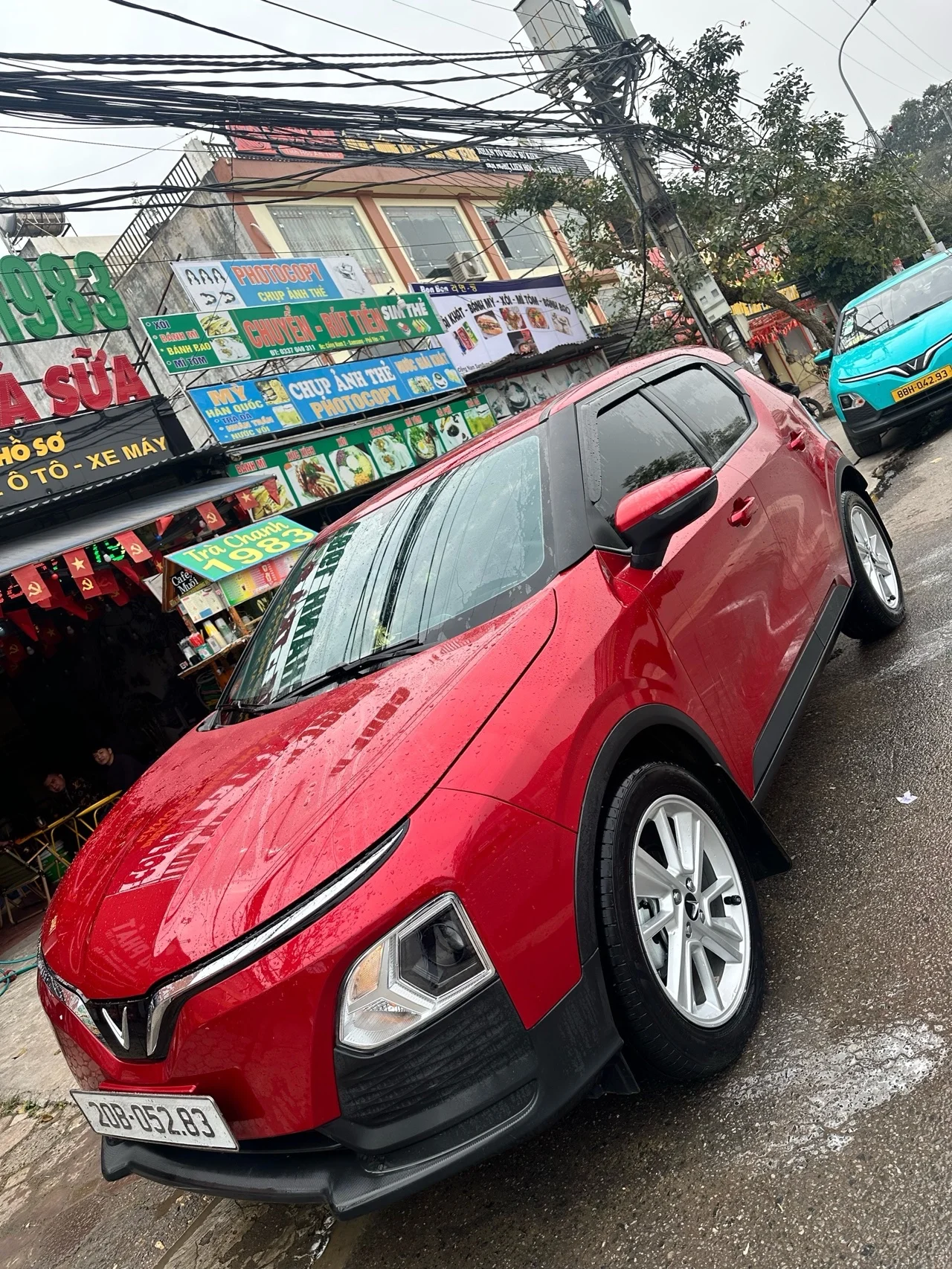
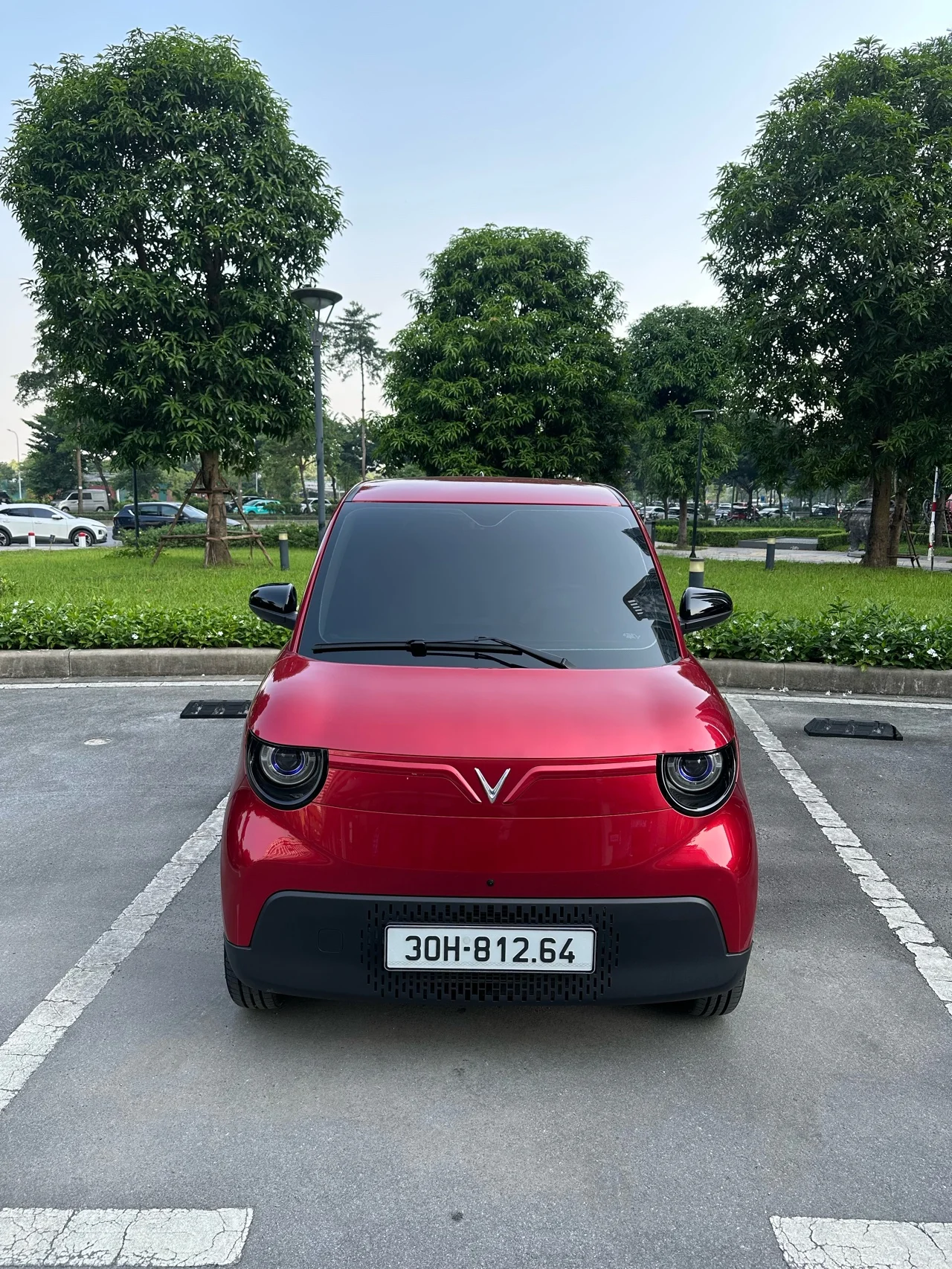
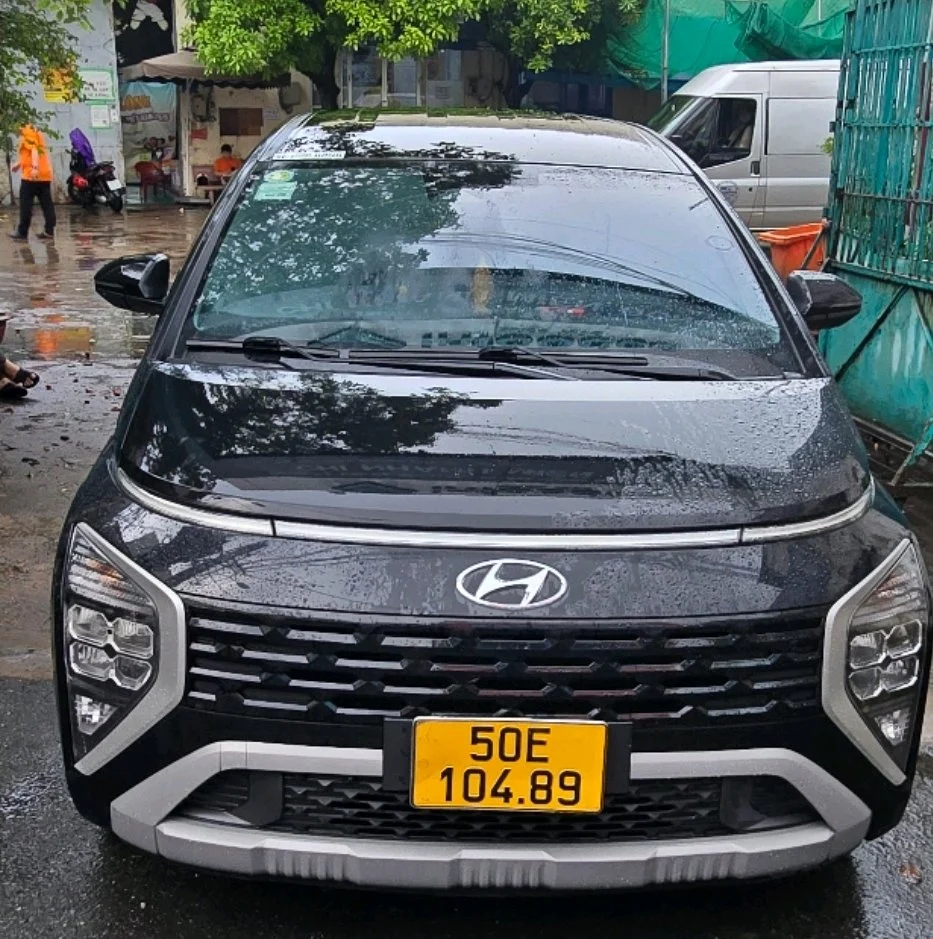
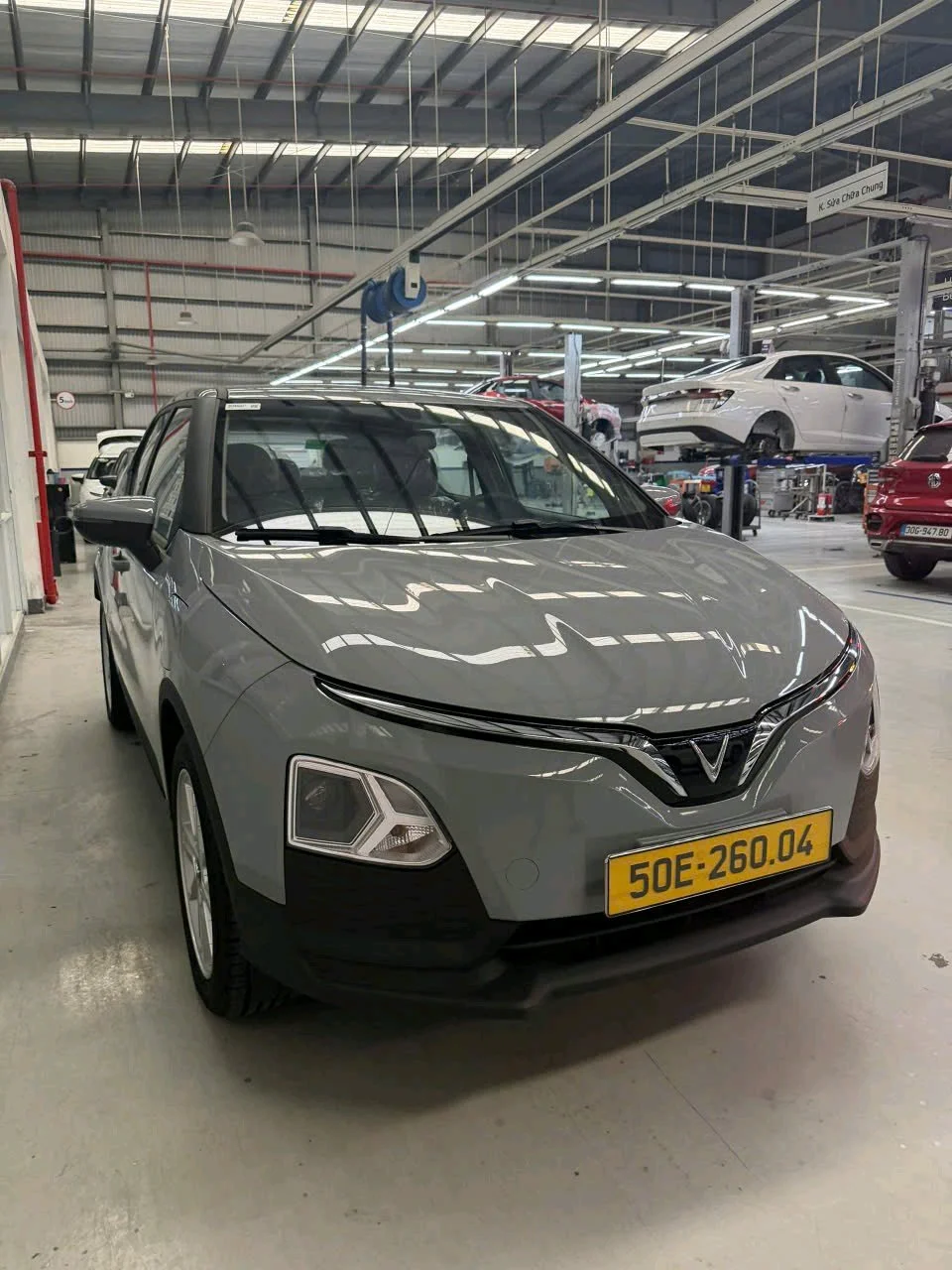
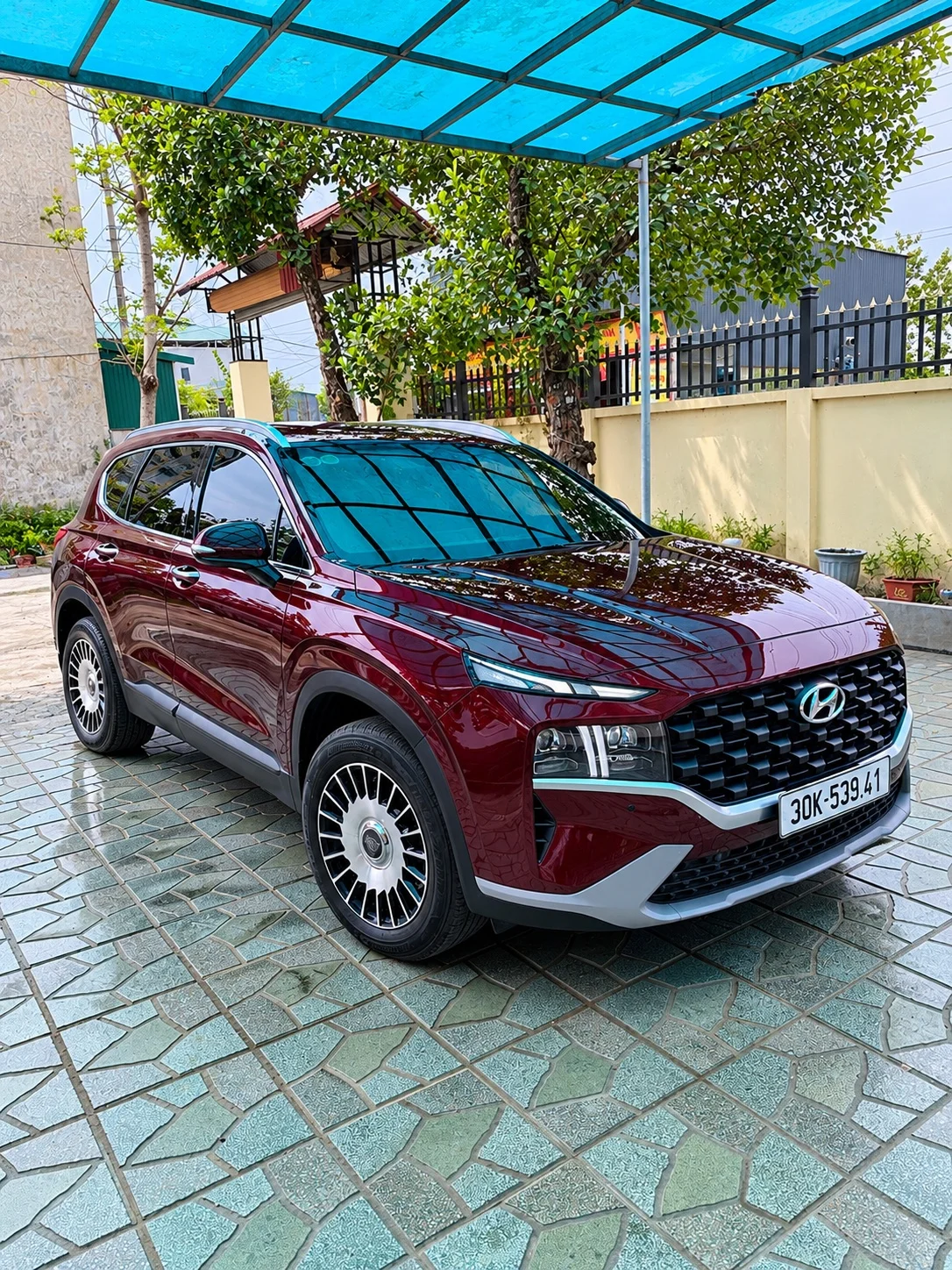
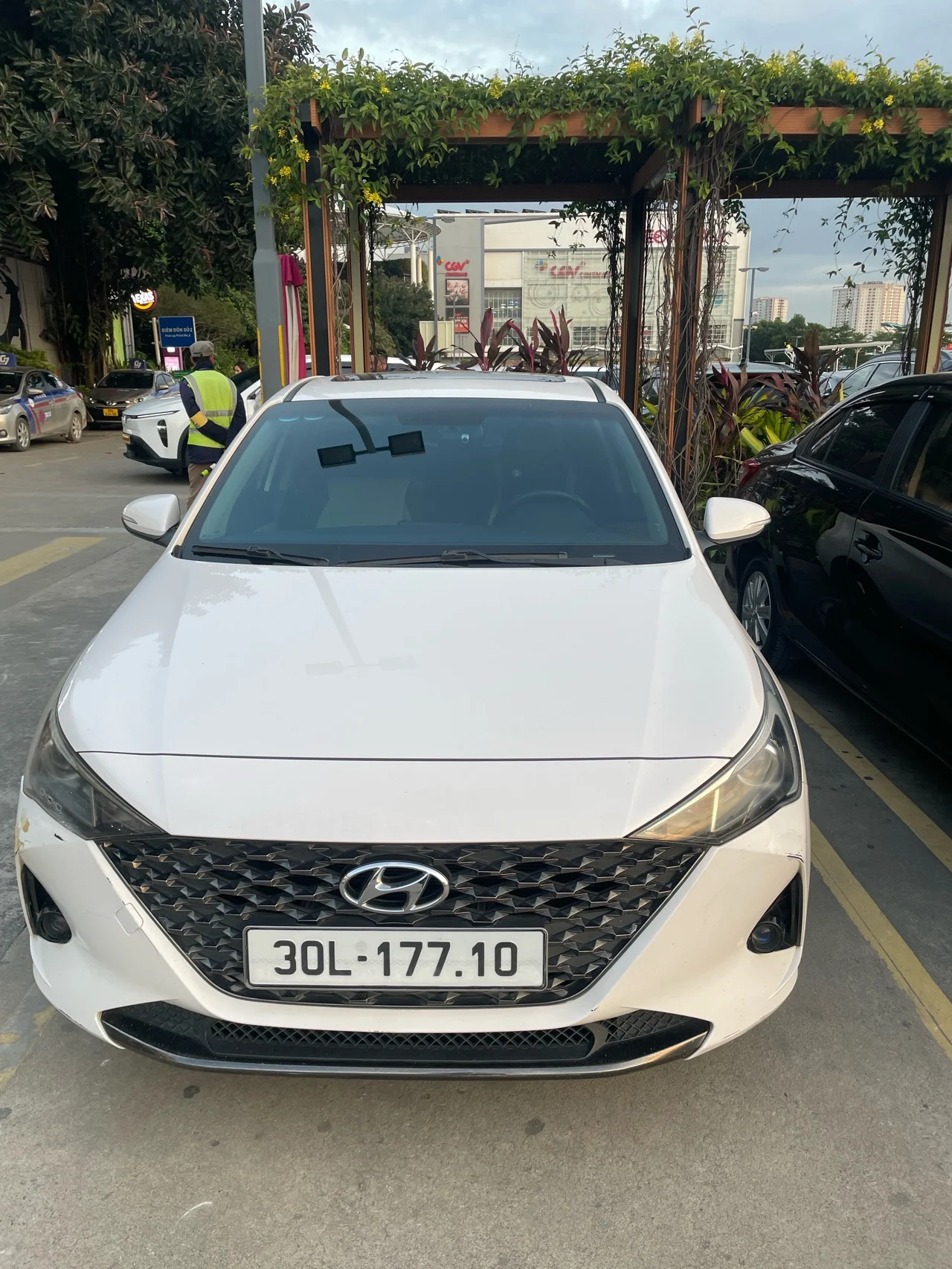
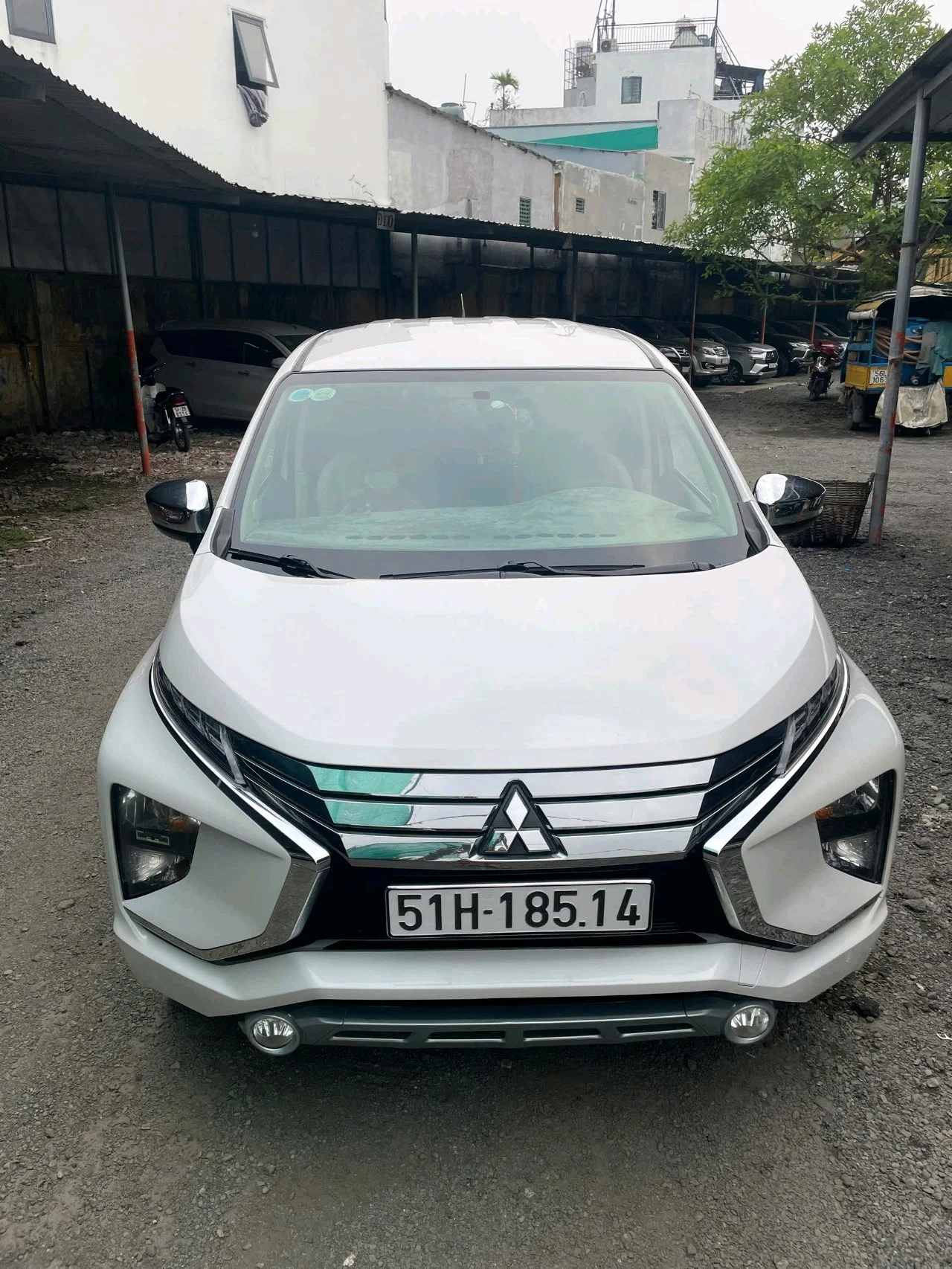
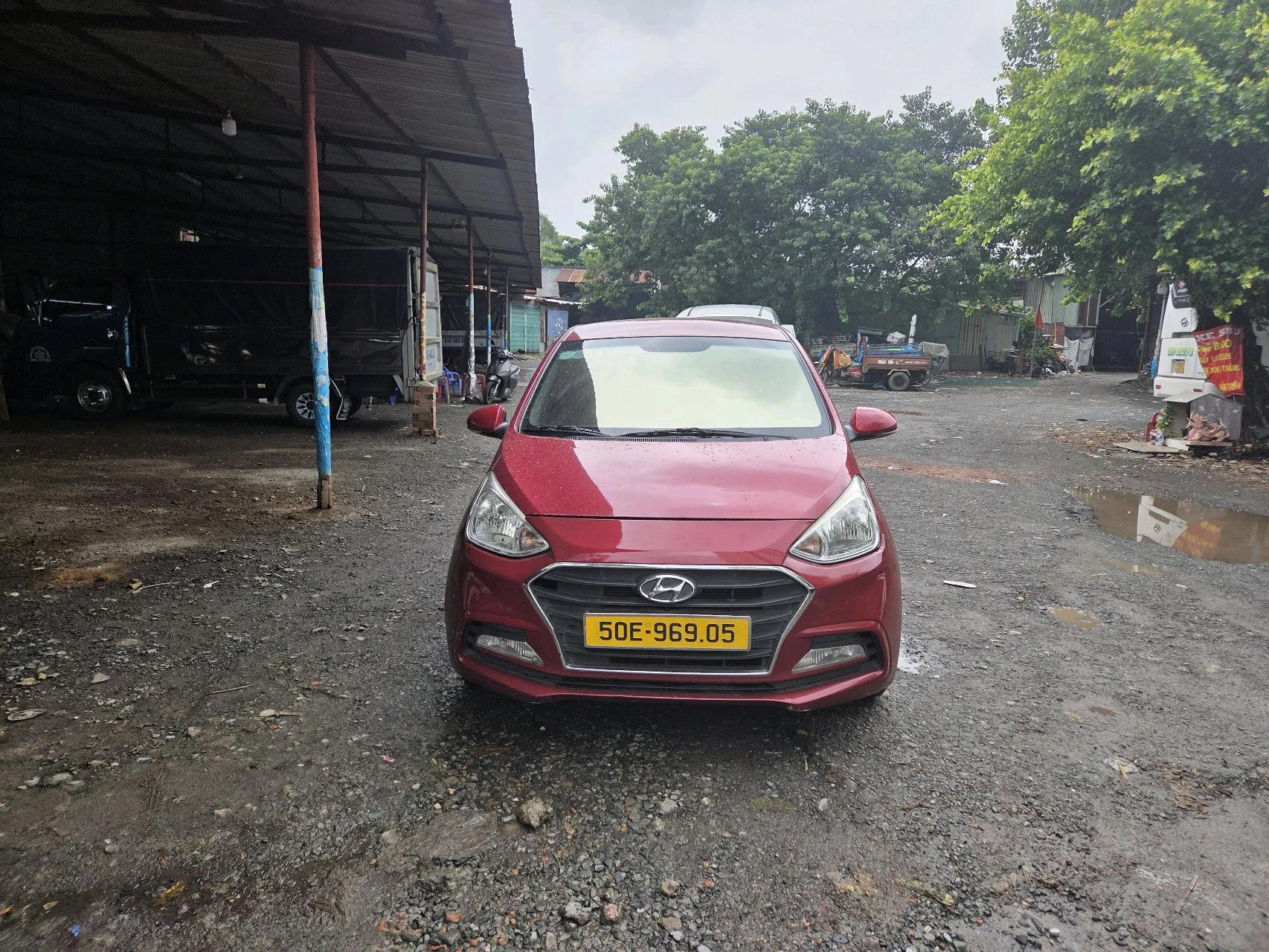
Whengo to workmany provinces, choosingsuitable car modelis the first important factor you need to pay attention to. Depending on the number of participants, budget and travel requirements, you can choose different car models. If there are only 1-2 people,4 seater caror 5 seats will be a reasonable choice for short trips. However, if you go with a larger group,7 seater caror SUV will help you have comfortable seats and hold a lot of belongings.
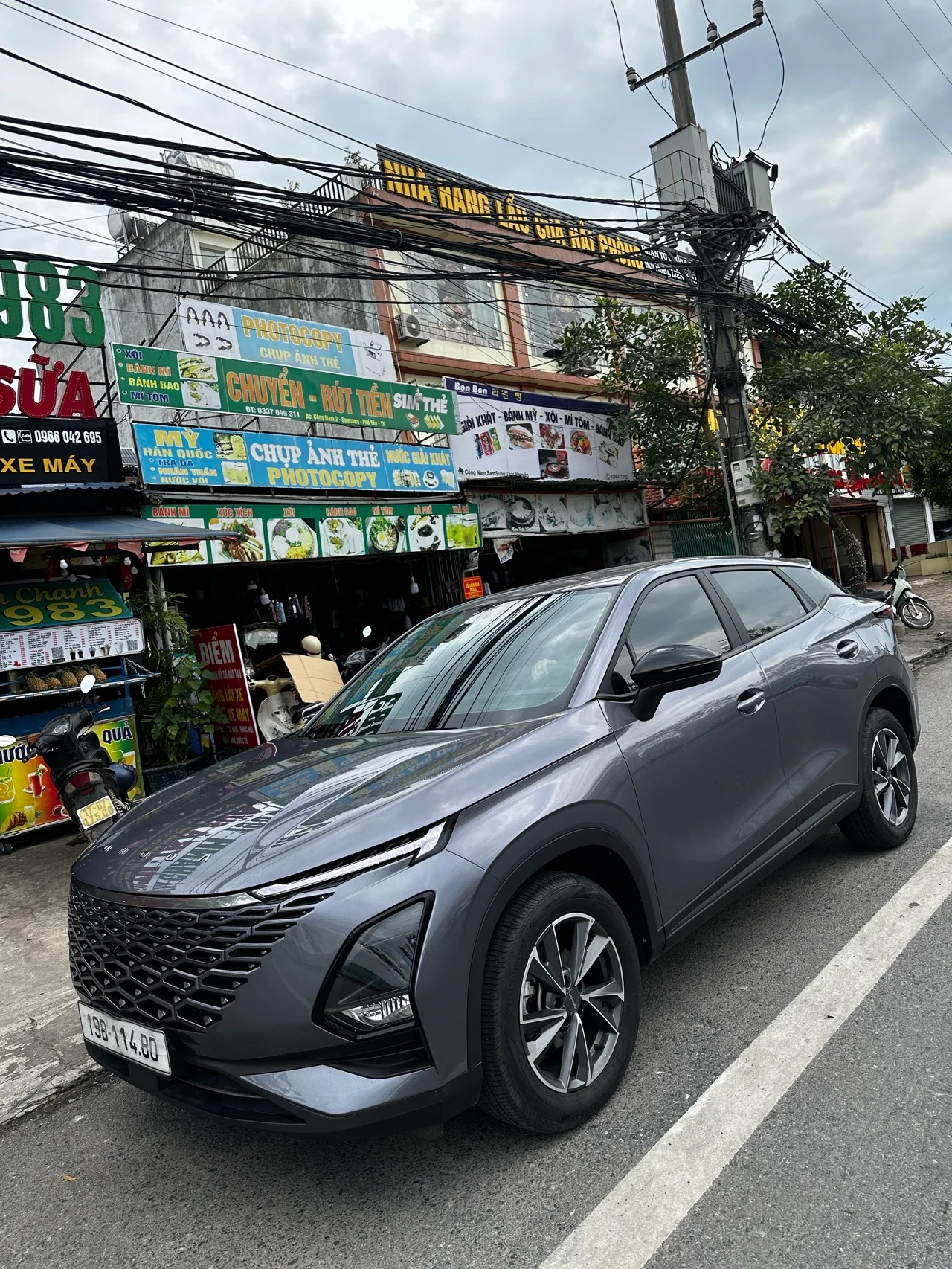
For example, if you are planning a visitcustomersIn the central provinces, an SUV will help you easily move on roads that are not too flat, while a sedan will save more gas if you only drive in the inner city.
1.1 Advantages and disadvantages of car models
Each car model has its own advantages and disadvantages. 4-seat cars are often fuel efficient, but don't have enough space for a lot of luggage. 7-seat cars or SUVs have more space, but fuel consumption is higher and rental prices are also more expensive. You need to clearly identify your needs to make the correct decision.
1.2 Questions to ask yourself
Before decidingchoose car, ask yourself questions like: "How many people do I have with me?" or "What will we need to bring?". Answering these questions helps you quickly determine the most suitable vehicle.
2. Procedures for renting a self-driving car require preparation
To avoid confusion during the car rental process, it is very important to prepare complete documents. Normally, you need to prepare a driver's license (B1 or B2), ID card or CCCD with chip, along with proof of collateral or deposit.
2.1 Necessary documents
- Driver's license: Must be valid and suitable for the type of vehicle you rent.
- Identity card or chip-embedded CCCD: To authenticate your identity.
- Mortgage or deposit: Usually from 5 million to 20 million depending on the type of vehicle.
2.2 Car rental process
First, you will need to contact the car rental company to check the car's condition and quote a price. Then, sign the contract and complete the deposit payment procedure. Be sure to read the contract carefully to understand terms such as additional fees, fuel rates and insurance regulations.
3. Checklist to check the vehicle upon delivery
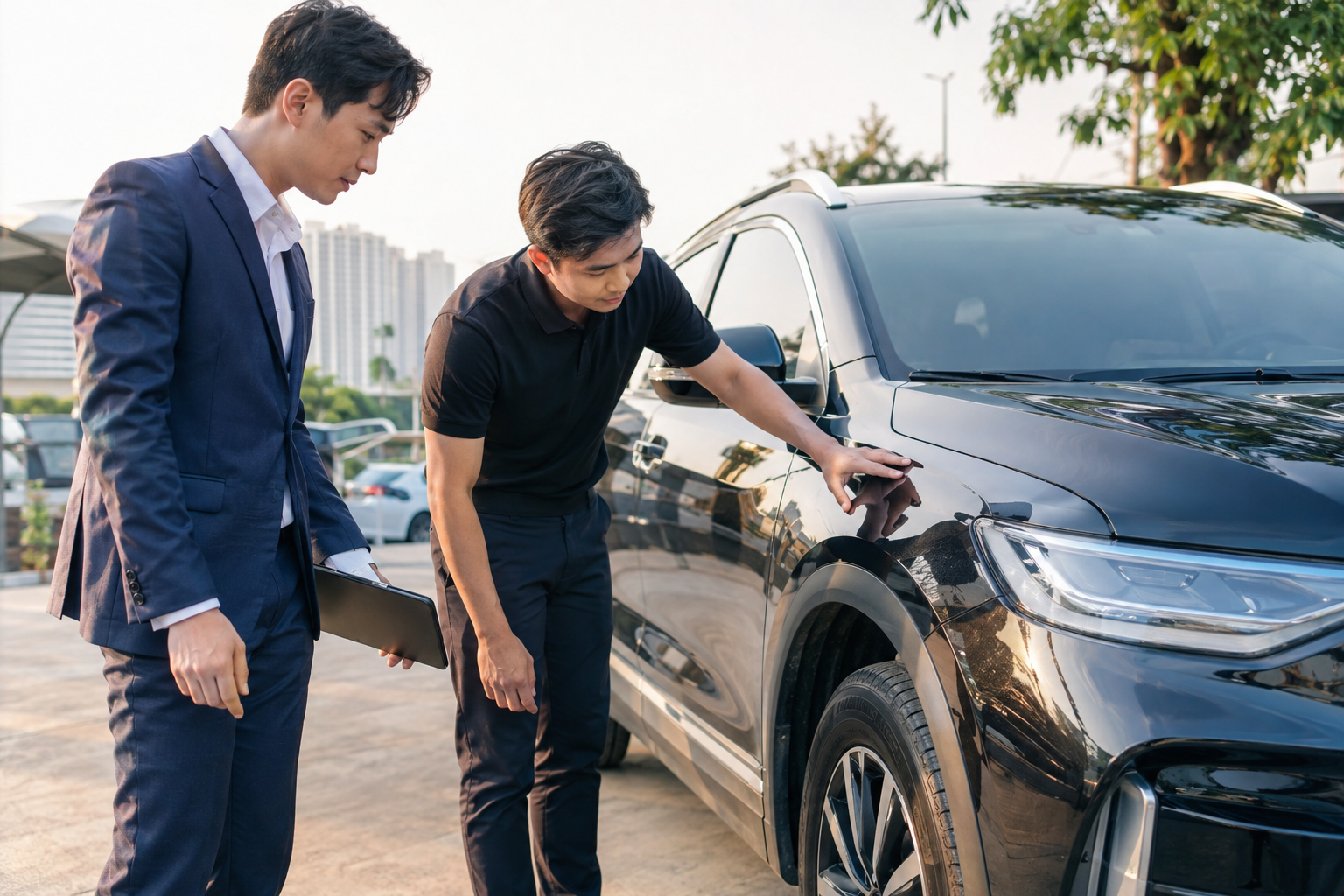
Before leaving the rental location, you need to take some steps to check the car to avoid losing money unfairly. Take a 360-degree video around the car and save scratches and damage (if any). This will assist you in the event of a future dispute.
3.1 Specific points to check
- Tire rims: Check tire pressure and condition.
- Vehicle glass: Make sure there are no cracks or scratches.
- Fuel level: Record the fuel level when picking up the vehicle to avoid trouble when returning the vehicle.
3.2 Brake and air conditioning system
Before setting off, test the brakes and air conditioning system. A car with poor brakes or an air conditioner that doesn't work will make traveling difficult, especially when traveling long distances.
4. Read and sign the car rental contract
The car rental contract is an important legal document, so you need to carefully read and understand the terms before signing. Note the regulations on the number of kilometers allowed per day, additional fees if exceeding the specified number of kilometers, and late return fees.
4.1 Vehicle insurance terms
You should choose rental units that provide comprehensive insurance to avoid unnecessary costs in the event of a collision. Read carefully the terms related to insurance to clearly understand your rights.
4.2 Handling when there is a collision
If there is an accident, calmly record the information and contact the rental unit for specific instructions. Do not repair or replace parts on your own, as this may cause you to incur additional costs.
5. Experience in safe long-distance driving
Driving long distances can be tiring, so plan your breaks well. You should stop every 2-3 hours of driving to relax and recharge.
5.1 How to look up and avoid cold penalties
Use the map app to monitor your speed and avoid roads with a high risk of traffic tickets. Always obey the speed limit and traffic signs to avoid being fined.
5.2 Safe driving experience
Make sure you know the traffic rules in each province you travel through. Be proactive in observing and keeping a safe distance from other vehicles on the road.

8Car.vn – Easy rental, quality drive! Our online self-drive car rental platform is ready to accompany you anytime, anywhere:
- Streamlined process: 100% online booking, fast document approval, and flexible deposit policies with no asset collateral worries.
- Diverse fleet: Hundreds of late-model 4–7 seater EVs & gasoline cars, regularly inspected and thoroughly cleaned.
- Complete peace of mind: Transparent pricing with no hidden fees, integrated trip insurance, and 24/7 technical support.
Explore & book now to enjoy special offers and take full control of your journey!

Recent posts
-
 Best Road Trips in Vietnam for Foreign Tourists 26/11/2026
-
 Explore Vietnam by Car: The Ultimate Self-Drive Travel Guide 26/11/2026
-
 Car rental near large urban areas: How to reach customers in the surrounding area? 26/11/2026
-
 Car rental near Noi Bai Airport: What should car owners pay attention to? 26/11/2026
-
 Renting a car with a driver or renting a self-drive car: Which option fits the budget? 26/11/2026
-
 Common car rental needs around Hanoi 26/11/2026
-
 Renting a car or taking a taxi: How to calculate costs for a 2-day trip 26/11/2026
-
 Customers booking cars online: What should be noted in the car rental contract process? 26/11/2026
-
 Checklist of costs to inquire about before confirming a car rental. 26/11/2026
-
 Weekend road trip costs by rental car: How to split expenses per person. 26/11/2026