Renting a car for concerts and events: Weekend travel experience
Understanding the important notes when renting a self-driving car for a concert will help you have a safe and economical trip. A detailed guide on how to choose a car, the car rental procedures, and tips for checking the car before departure from the experts at 8Car.

1. Frequently asked questions when renting a self-driving car for a concert
When it's concert or musical event season,demand for self-driving car rentalincreased. However, many people are still wondering howchoose car,procedureand things to keep in mind. You should clearly determine the purpose of using the vehicle, the number of people traveling with you and the travel time to be surepreparebest.
1.1. Determine the purpose and need for car rental
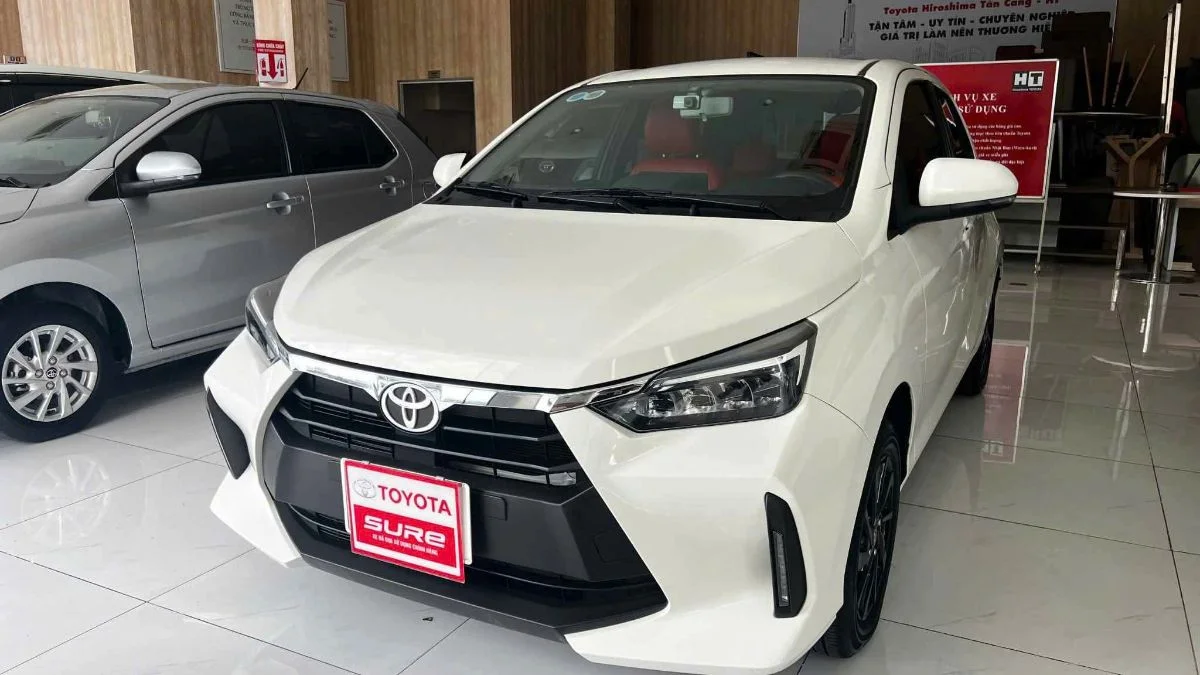
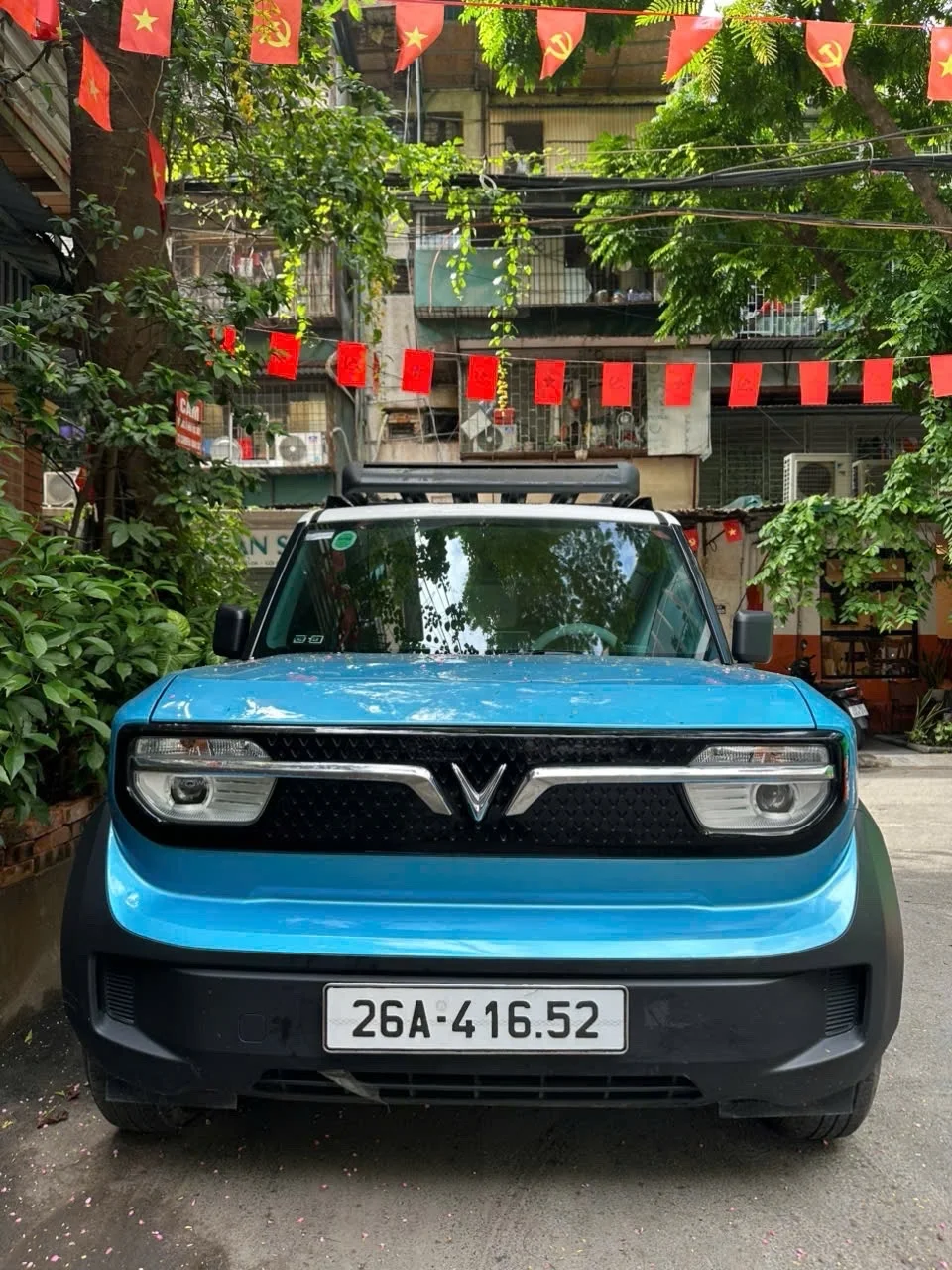
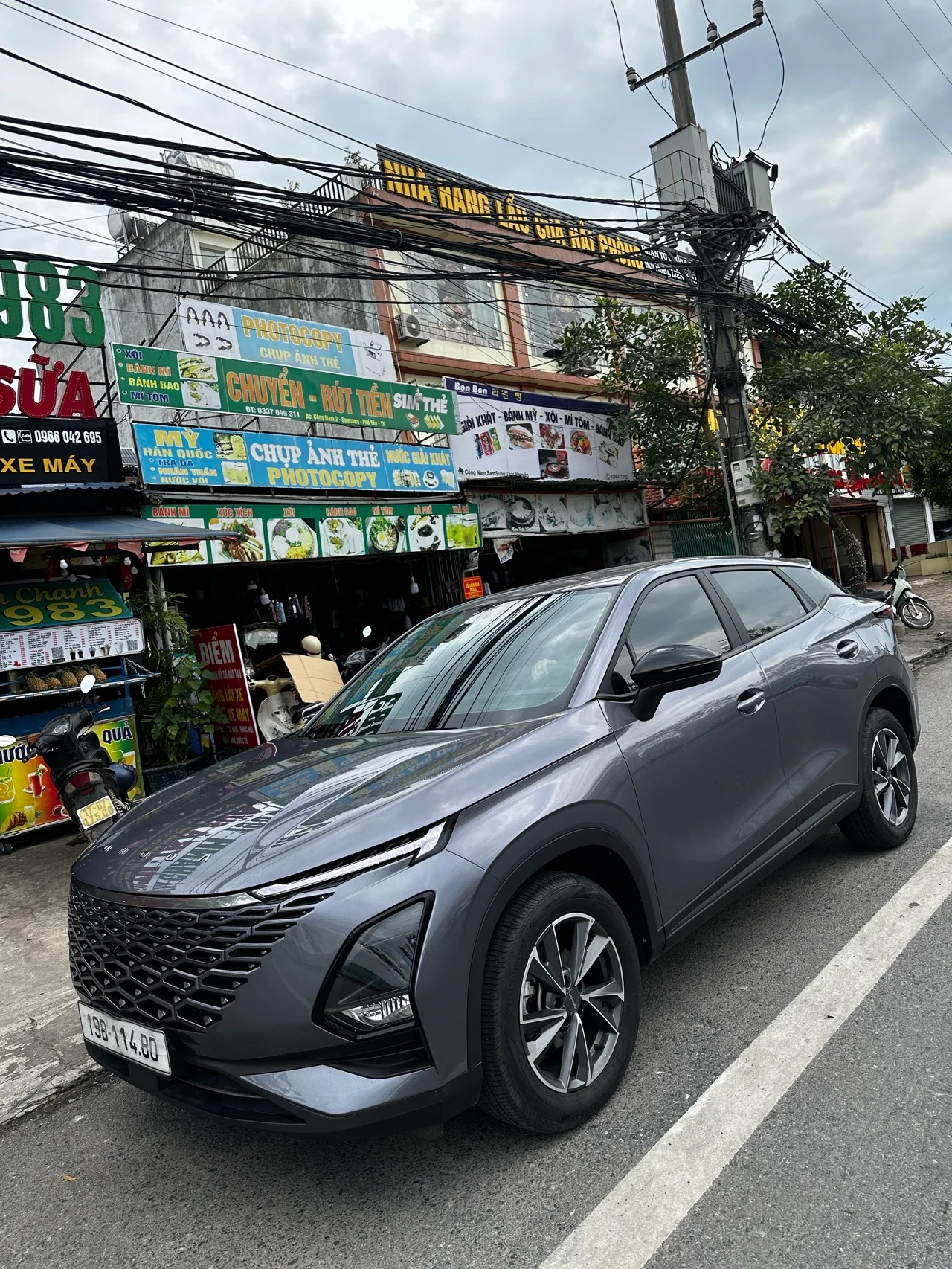
First of all, you need to clearly determine how far you will go and the number of participants. If there's only one person or two people,4 seater caror 5 seats would be a reasonable choice. On the contrary, if you go in a large group, you should consider itRent a 7-seat caror SUV to ensure comfort for everyone. Don't forget to consider luggage space, especially if you have a lot of stuff to carry.
1.2. Make a clear travel plan
Specific planning for the journey is also very important. You need to know the exact event location, start and end time to calculate a reasonable travel time. If the event takes place on a weekend, be aware that traffic may be heavier. This not only helps you have a good experience but also helps you avoid time problems.
2. Procedures for renting a self-driving car: Necessary documents
To rent a self-driving car quickly and save time, you need to prepare all the necessary documents. Normally, car rental units require you to provide a driver's license (GPLX) and identity card (CCCD) or citizen identification card with a chip.

2.1. Documents required
Driver's license: You need a B1 or B2 license depending on the type of car you plan to rent. If you just got your license, make sure you are familiar with driving and know the traffic rules.
2.2. Deposit and insurance
Most car rental companies will require you to deposit a sum of money. Make sure you ask clearly about the deposit amount and refund method. Additionally, learn about car insurance, including damage and civil liability insurance to protect yourself in case of an incident.
3. Vehicle inspection process before handover
Before leaving the parking lot, checking the vehicle is extremely important to avoid unjustly losing money when returning the vehicle. Follow the checklist below to ensure you have considered all aspects.
3.1. Check the vehicle's exterior
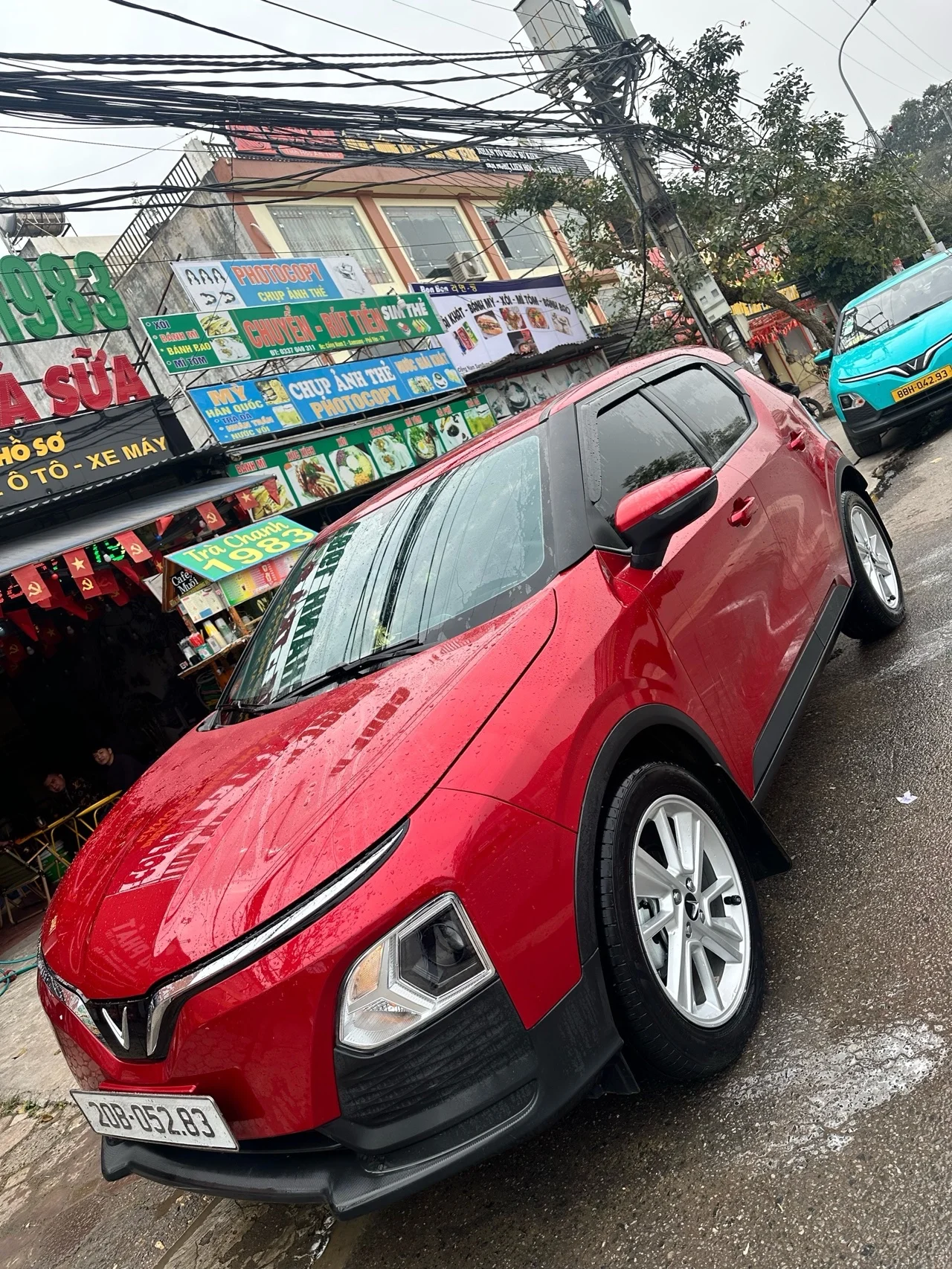
Taking 360-degree video around the vehicle is a good way to record the vehicle's condition. You need to pay attention to scratches, dents, and the condition of the vehicle's glass and tire rims. If you discover any problems, notify the car rental staff immediately to avoid being held responsible later.
3.2. Check the interior and systems in the car
Don't forget to check the car's interior, seat condition, air conditioning system, lights and brakes. Check the fuel level as soon as you receive the car to avoid trouble when returning the car. Make a note of any issues so you can discuss them with the rental agency if necessary.
4. Costs and additional charges may arise
To avoid being surprised by additional fees, you need to clearly understand the terms of the car rental contract.
4.1. Limited kilometers and additional fees
If your contract stipulates a limit on kilometers per day, you need to keep track of the distance traveled. If you exceed it, you will be charged an additional fee. Please ask clearly about how this fee is calculated before signing the contract.
4.2. Overtime vehicle return fee and fuel level regulations
If you can't return the car on time, make sure you agree on an overtime fee in advance. Also, check the fuel level regulations when returning the vehicle, as if you do not return the vehicle with the same fuel level as when you received it, you will be charged an additional fee.
5. Safe driving experience on crowded event days
On weekends, especially when there are big events, traffic conditions are often very complicated. Therefore, you need to have a safe driving plan to avoid unnecessary trouble.
5.1. Plan a reasonable travel schedule
Try to leave earlier than expected to avoid congestion. If possible, find out traffic conditions in advance using map applications to choose the right route.
5.2. Check out parking spots near the event
You should research in advance about parking spots near the event area. Sometimes, parking further away may be a better option if the space is nearly full. Don't hesitate to walk a little to avoid the pressure of finding a parking spot during crowded times.

8Car.vn – Easy rental, quality drive! Our online self-drive car rental platform is ready to accompany you anytime, anywhere:
- Streamlined process: 100% online booking, fast document approval, and flexible deposit policies with no asset collateral worries.
- Diverse fleet: Hundreds of late-model 4–7 seater EVs & gasoline cars, regularly inspected and thoroughly cleaned.
- Complete peace of mind: Transparent pricing with no hidden fees, integrated trip insurance, and 24/7 technical support.
Explore & book now to enjoy special offers and take full control of your journey!


Recent posts
-
 Best Road Trips in Vietnam for Foreign Tourists 26/11/2026
-
 Explore Vietnam by Car: The Ultimate Self-Drive Travel Guide 26/11/2026
-
 Car rental near large urban areas: How to reach customers in the surrounding area? 26/11/2026
-
 Car rental near Noi Bai Airport: What should car owners pay attention to? 26/11/2026
-
 Renting a car with a driver or renting a self-drive car: Which option fits the budget? 26/11/2026
-
 Common car rental needs around Hanoi 26/11/2026
-
 Renting a car or taking a taxi: How to calculate costs for a 2-day trip 26/11/2026
-
 Customers booking cars online: What should be noted in the car rental contract process? 26/11/2026
-
 Checklist of costs to inquire about before confirming a car rental. 26/11/2026
-
 Weekend road trip costs by rental car: How to split expenses per person. 26/11/2026