What do businesses need to prepare for renting a self-driving car?
Understanding the procedures and preparing all necessary documents is a key factor that helps businesses avoid risks and save costs when renting self-driving cars. Please refer to the specific checklist and important notes from the experts at 8Car for a smooth trip.

1. Documents to prepare when renting a self-driving car
To processcar rentalwent smoothly,businessneedpreparesomepapersimportant. The first is a Driver's License (GPLX), the minimum requirement is a B2 license for popular vehicles. If the driver is a new employee or does not existdriving experience, should be consideredchoose carCompact and easy to control.
Besides, identity card or citizen identification card (CCCD) is also required. Currently, many places accept chip-embedded CCCD, helping to make things faster and more convenient. Some car rental companies may require you to provide collateral or a deposit, so be prepared with enough money to meet this requirement.
Advantages and disadvantages of each type of document
Preparing complete documents helps increase trust between the business and the rental company. However, omissions can lead to lost time and costs. For example, if you do not have a valid license, you may be refused a rental, causing you to miss your planned schedule.
2. Choose a car model suitable for your intended use
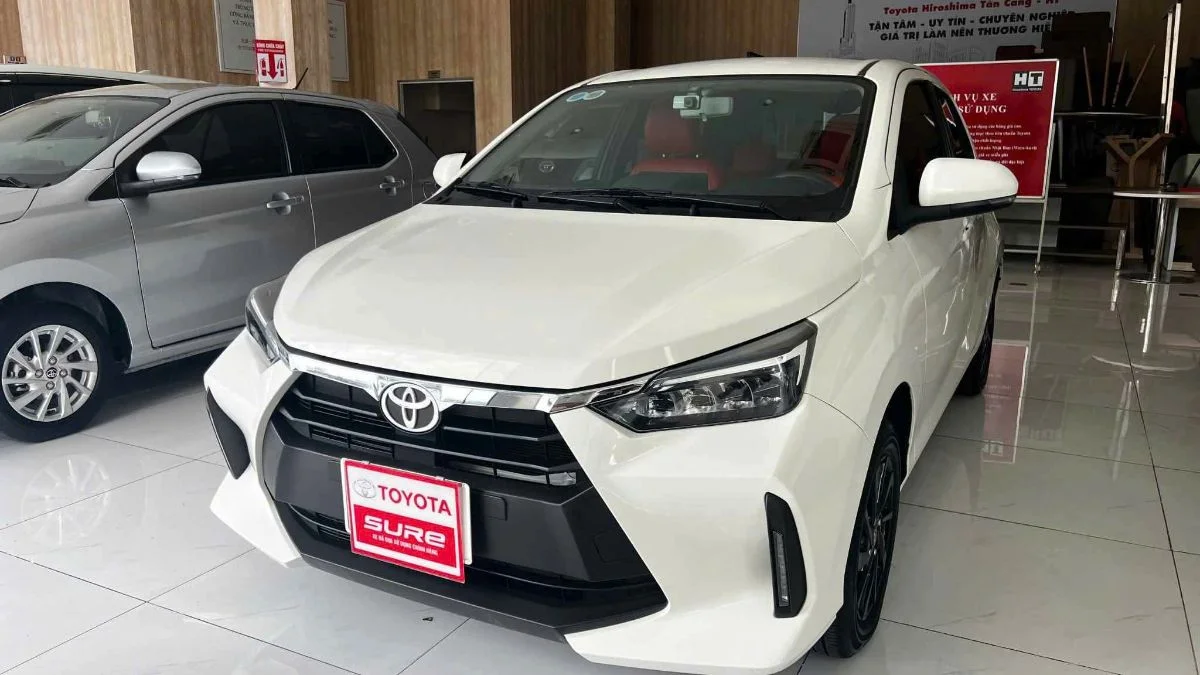
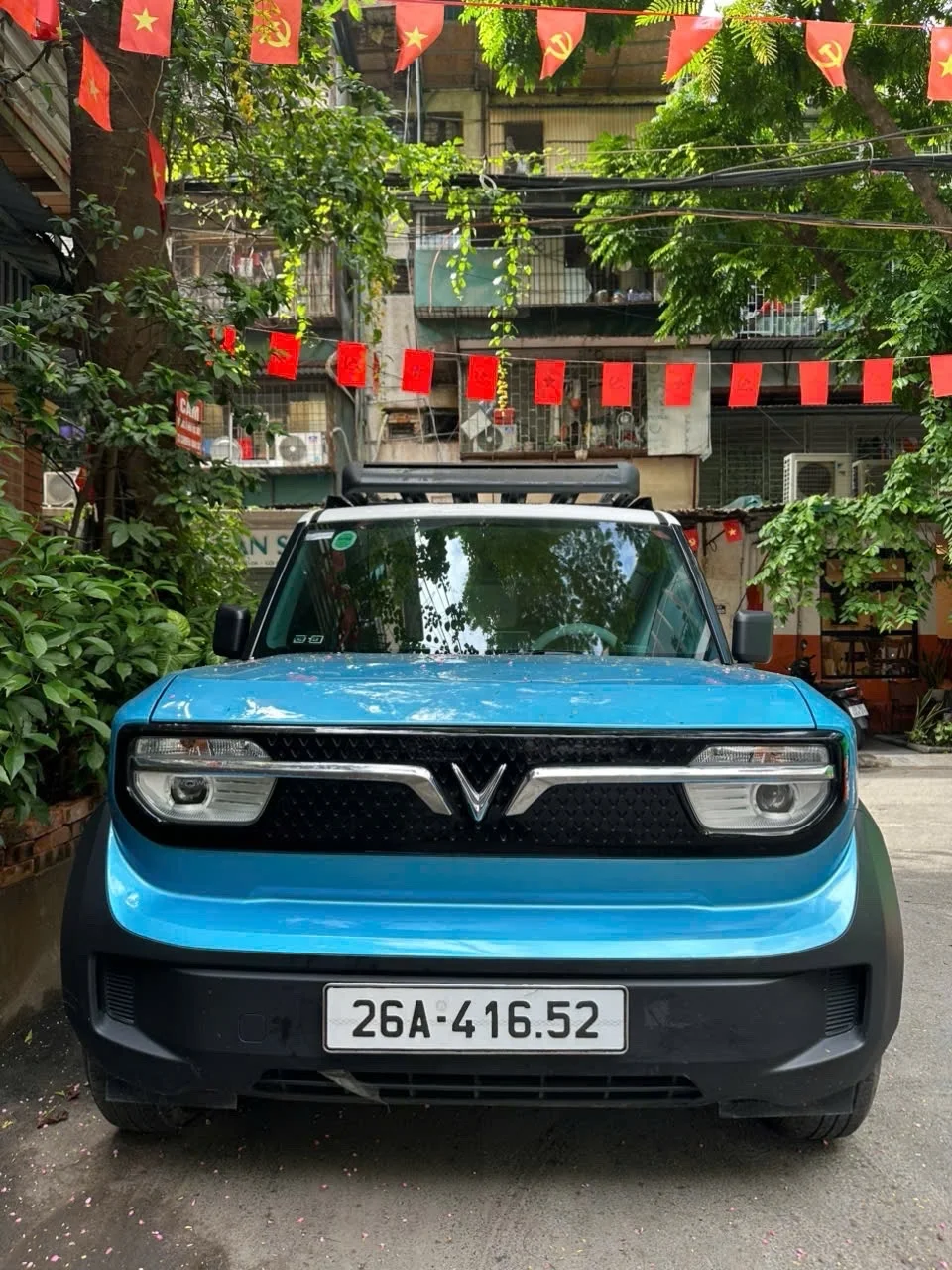
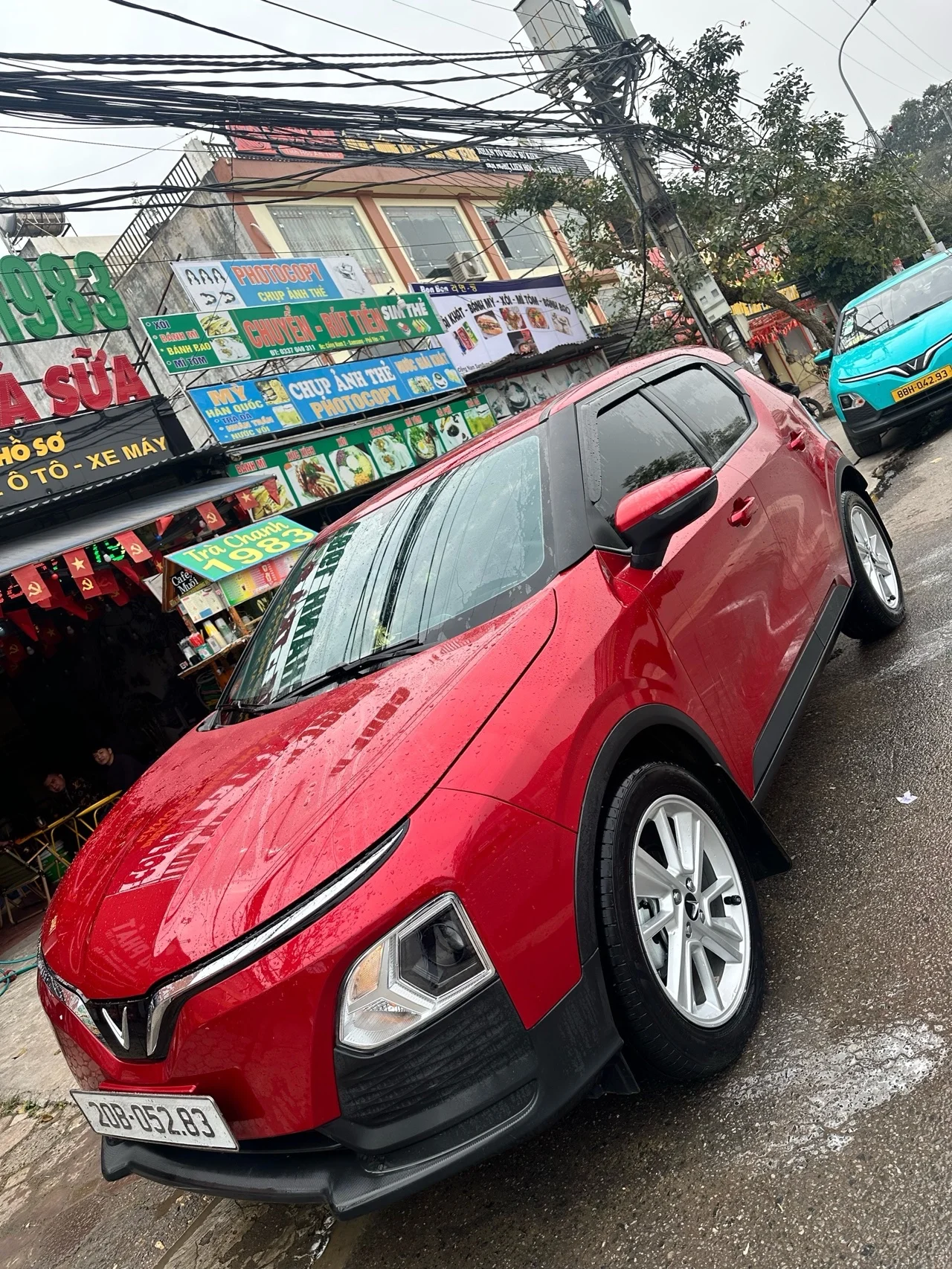
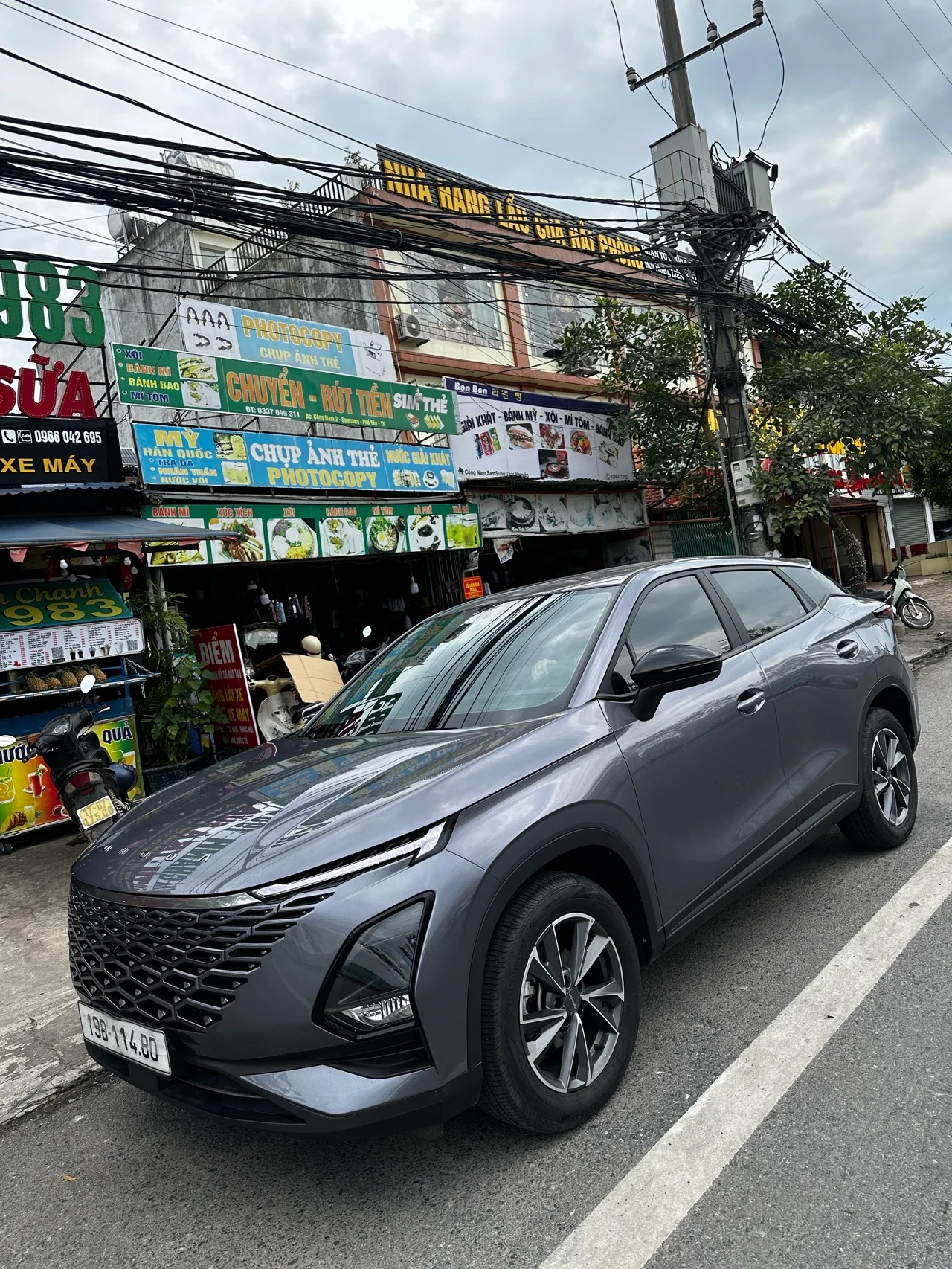
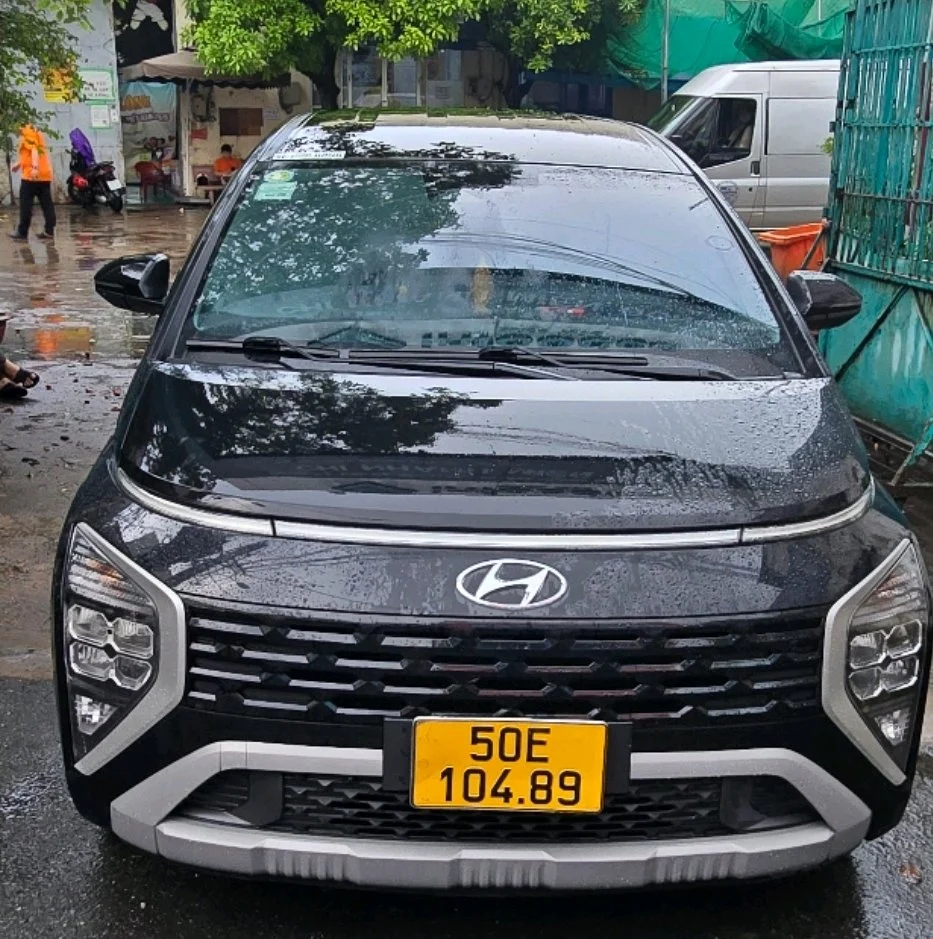
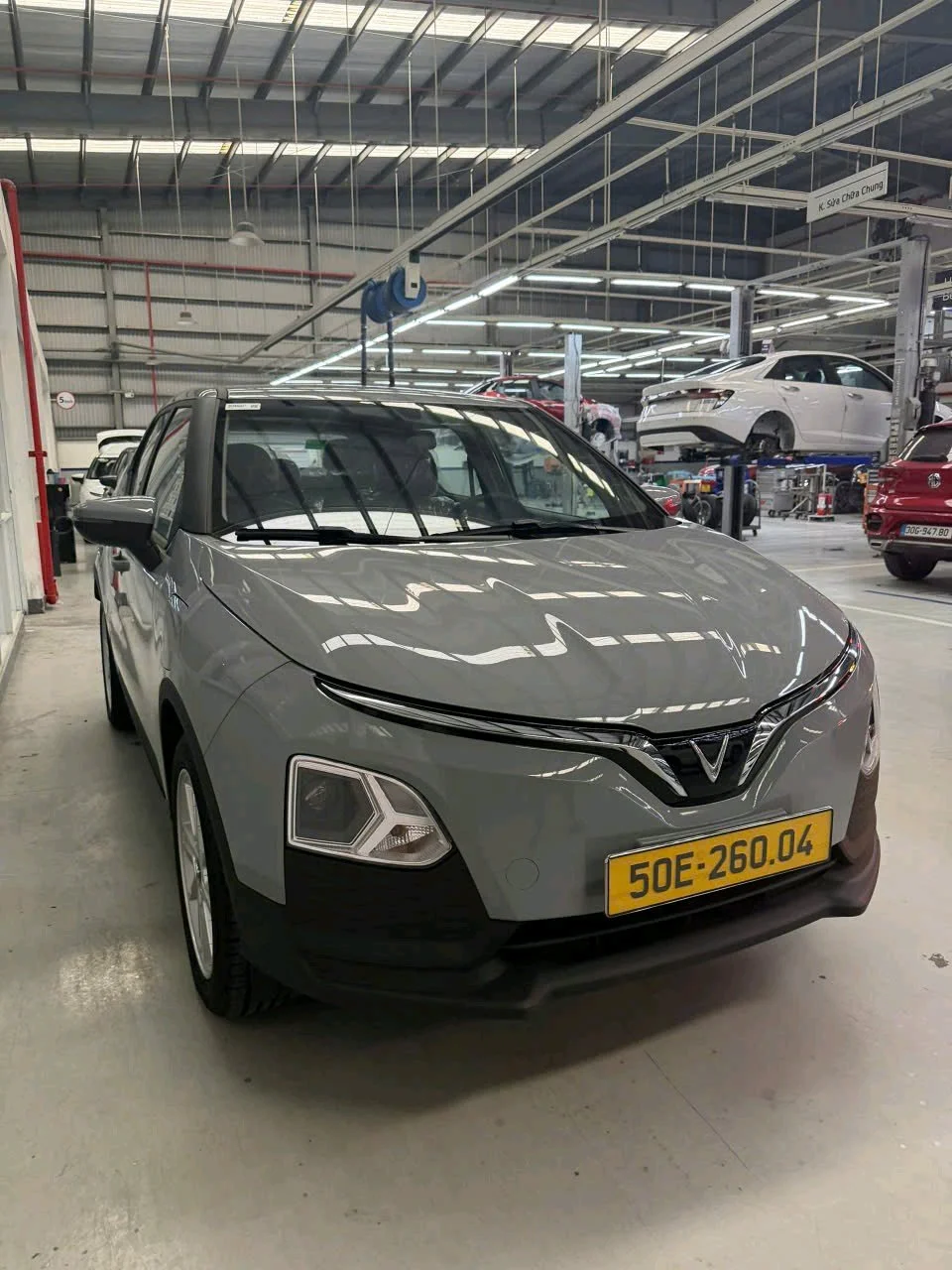
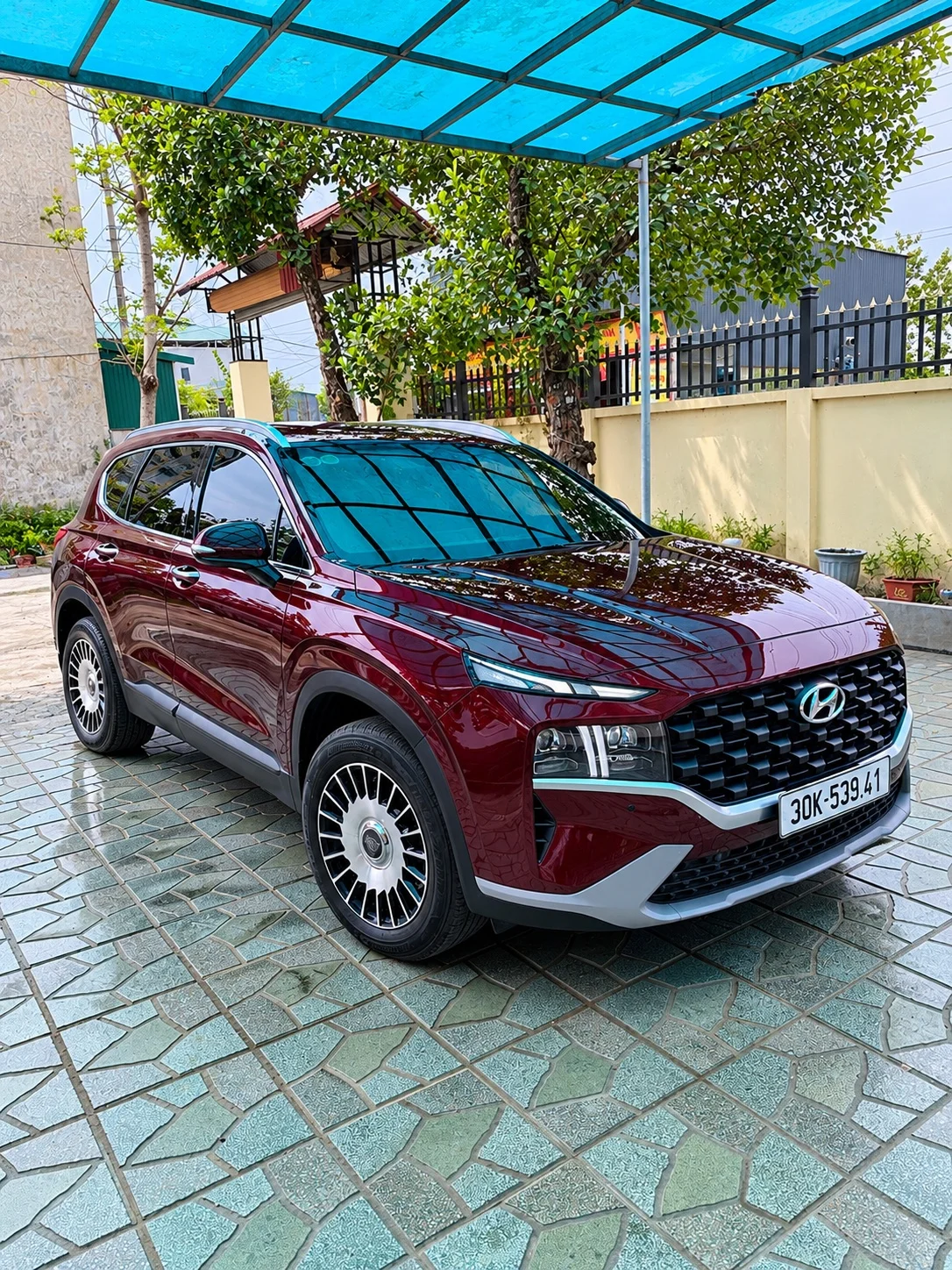
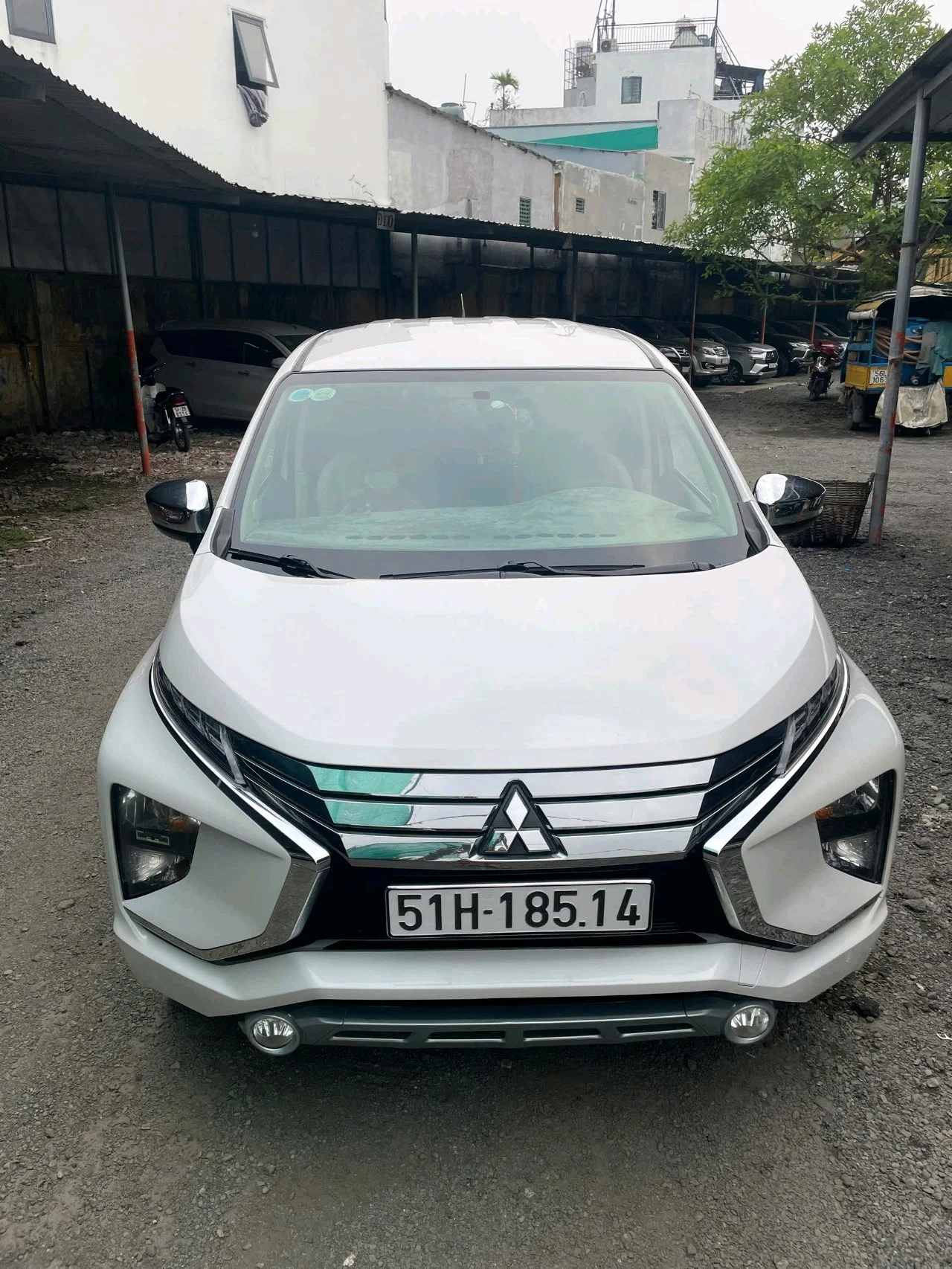
Businesses need to clearly determine the purpose of using the vehicle to choose the appropriate type of vehicle. If you only travel in the city, a 4-seat or 5-seat car may be a reasonable choice. On the contrary, if you plan to go on a long business trip or with a large group of people, a 7-seat car or high-clearance SUV will be the better choice.

Compare car models and their advantages and disadvantages
4-seat cars are often fuel-efficient and easy to drive, but do not have enough room for large groups of people. 7-seat cars or SUVs have more space but consume more fuel, which can increase car rental costs. Therefore, it is necessary to consider carefully before deciding.
3. Vehicle inspection process upon delivery
Before receiving the vehicle, businesses need to perform important checks to avoid losing money unfairly when returning the vehicle. Take a 360-degree video around the car to record its current condition, paying special attention to scratches, tires, windows, and fuel level.
Checklist for checking specific vehicles
- Check for scratches and car paint condition.
- Make sure the tire rim is not damaged and the tire has enough air.
- Check that the lights, air conditioning and brakes are operating normally.
- Record fuel levels and request reports from the lessor.
4. Process of reading and signing the car rental contract
Before signing a contract, businesses need to clearly understand the terms of the contract to avoid incurring unnecessary costs. Some important terms to note include daily mileage limits, fees for exceeding mileage, and fuel limits when returning the vehicle.
Important terms to pay attention to
If the contract specifies a “full tank” fuel return, make sure the tank is full before returning the vehicle. In addition, you need to check the car insurance terms to know your rights in case of collision.
5. Experience driving long distances and avoiding fines
Once you have a car in hand, driving safely is extremely important. Businesses should have navigation apps ready, like Google Maps or Waze, to monitor traffic conditions and find the fastest route.
Notes when driving long distances
Avoid driving continuously for too long without resting, as this can lead to fatigue, affecting the ability to control the vehicle. Instead, plan stops to rest and recharge. In addition, you should be equipped with information about speed limits and local traffic regulations to avoid fines.

8Car.vn – Easy rental, quality drive! Our online self-drive car rental platform is ready to accompany you anytime, anywhere:
- Streamlined process: 100% online booking, fast document approval, and flexible deposit policies with no asset collateral worries.
- Diverse fleet: Hundreds of late-model 4–7 seater EVs & gasoline cars, regularly inspected and thoroughly cleaned.
- Complete peace of mind: Transparent pricing with no hidden fees, integrated trip insurance, and 24/7 technical support.
Explore & book now to enjoy special offers and take full control of your journey!


Recent posts
-
 Best Road Trips in Vietnam for Foreign Tourists 26/11/2026
-
 Explore Vietnam by Car: The Ultimate Self-Drive Travel Guide 26/11/2026
-
 Car rental near large urban areas: How to reach customers in the surrounding area? 26/11/2026
-
 Car rental near Noi Bai Airport: What should car owners pay attention to? 26/11/2026
-
 Renting a car with a driver or renting a self-drive car: Which option fits the budget? 26/11/2026
-
 Common car rental needs around Hanoi 26/11/2026
-
 Renting a car or taking a taxi: How to calculate costs for a 2-day trip 26/11/2026
-
 Customers booking cars online: What should be noted in the car rental contract process? 26/11/2026
-
 Checklist of costs to inquire about before confirming a car rental. 26/11/2026
-
 Weekend road trip costs by rental car: How to split expenses per person. 26/11/2026