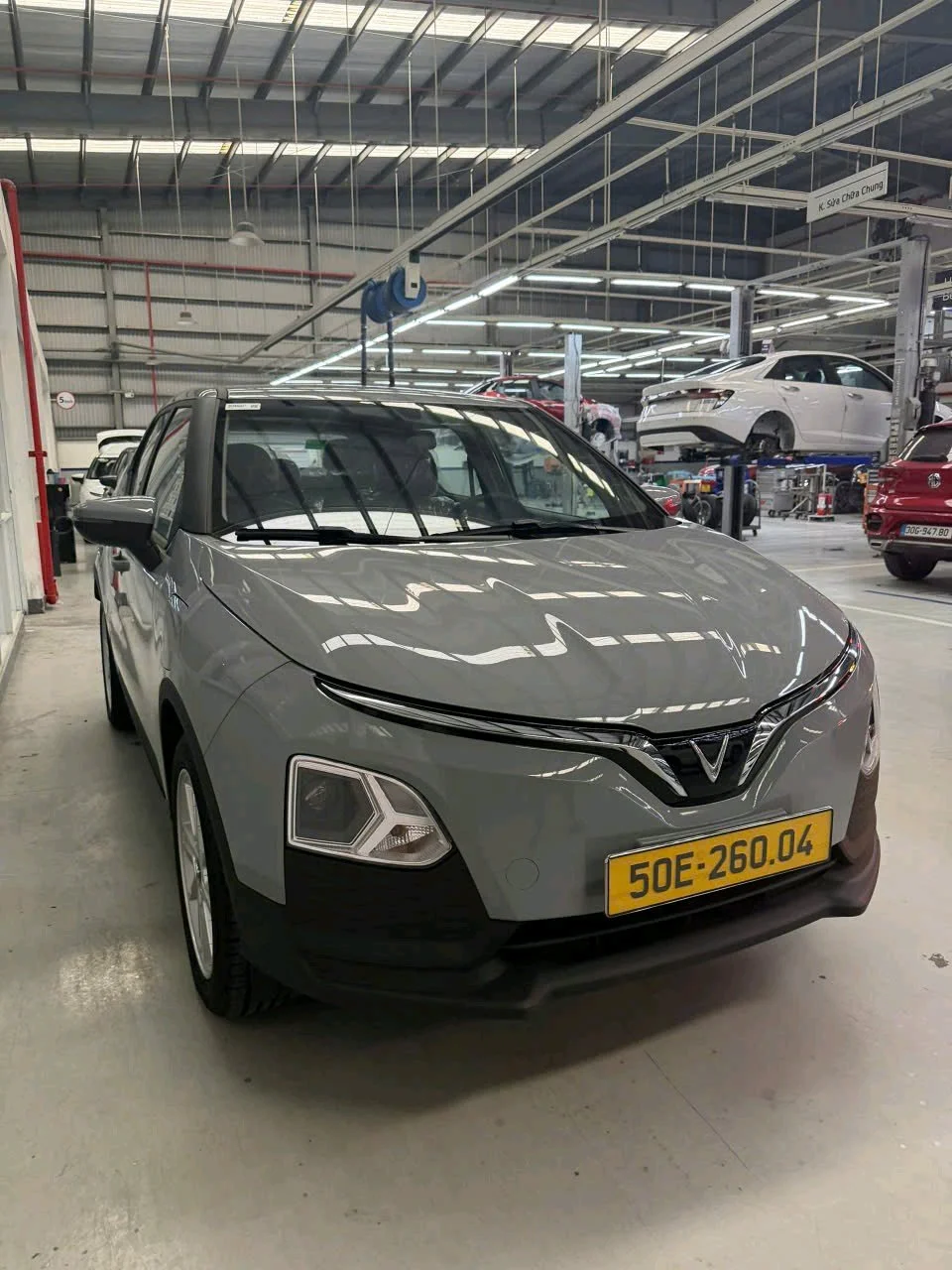
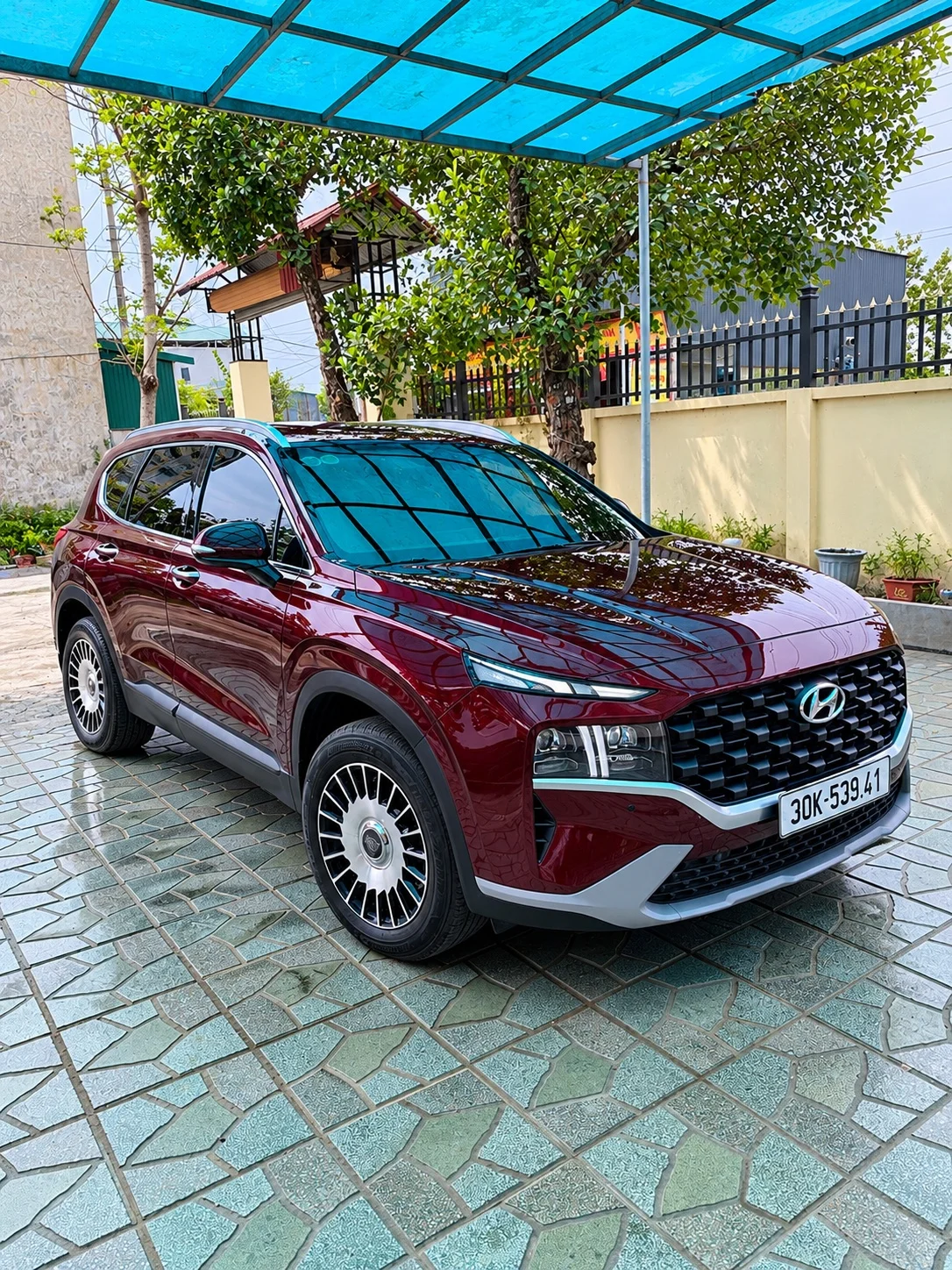
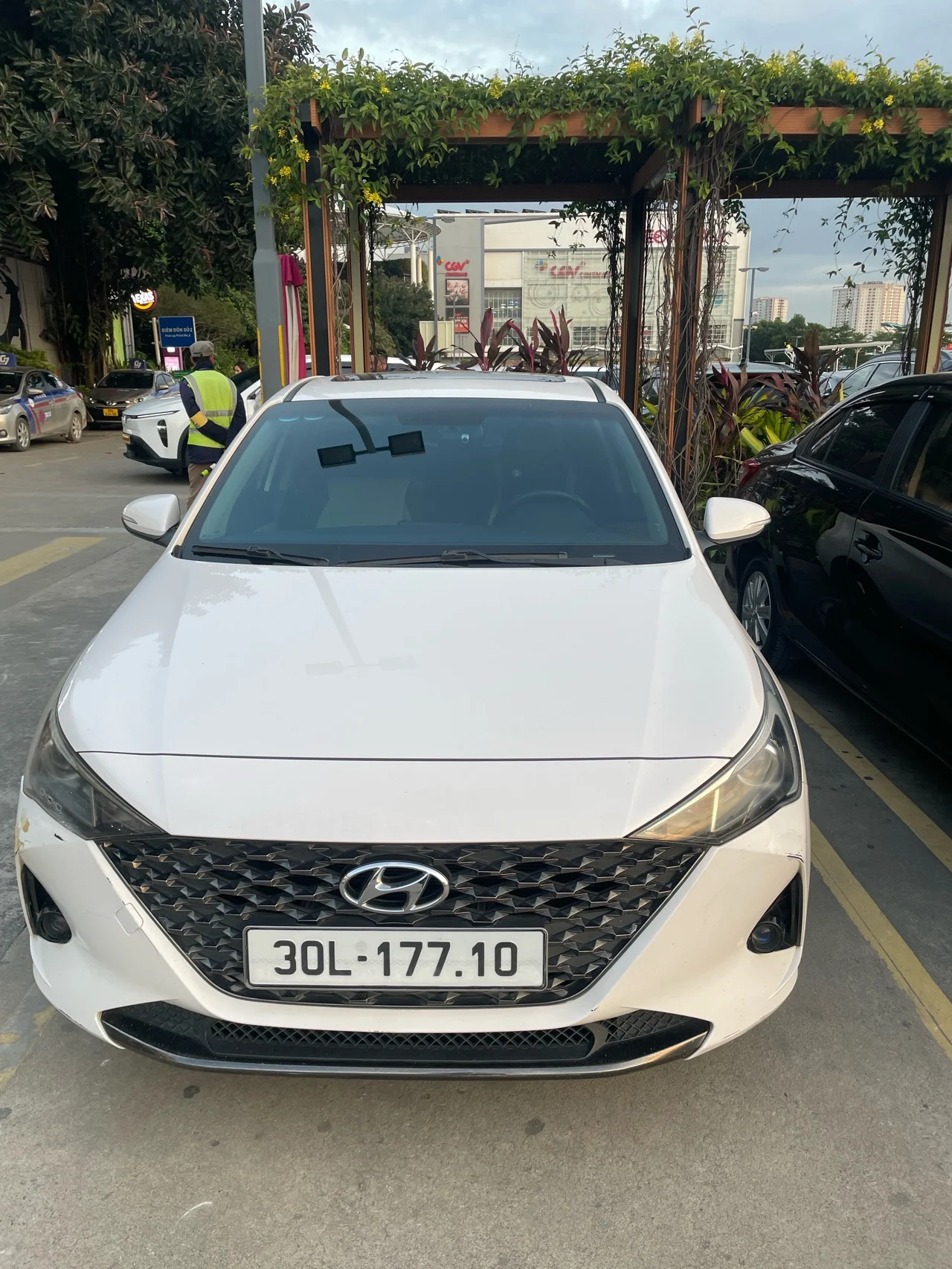
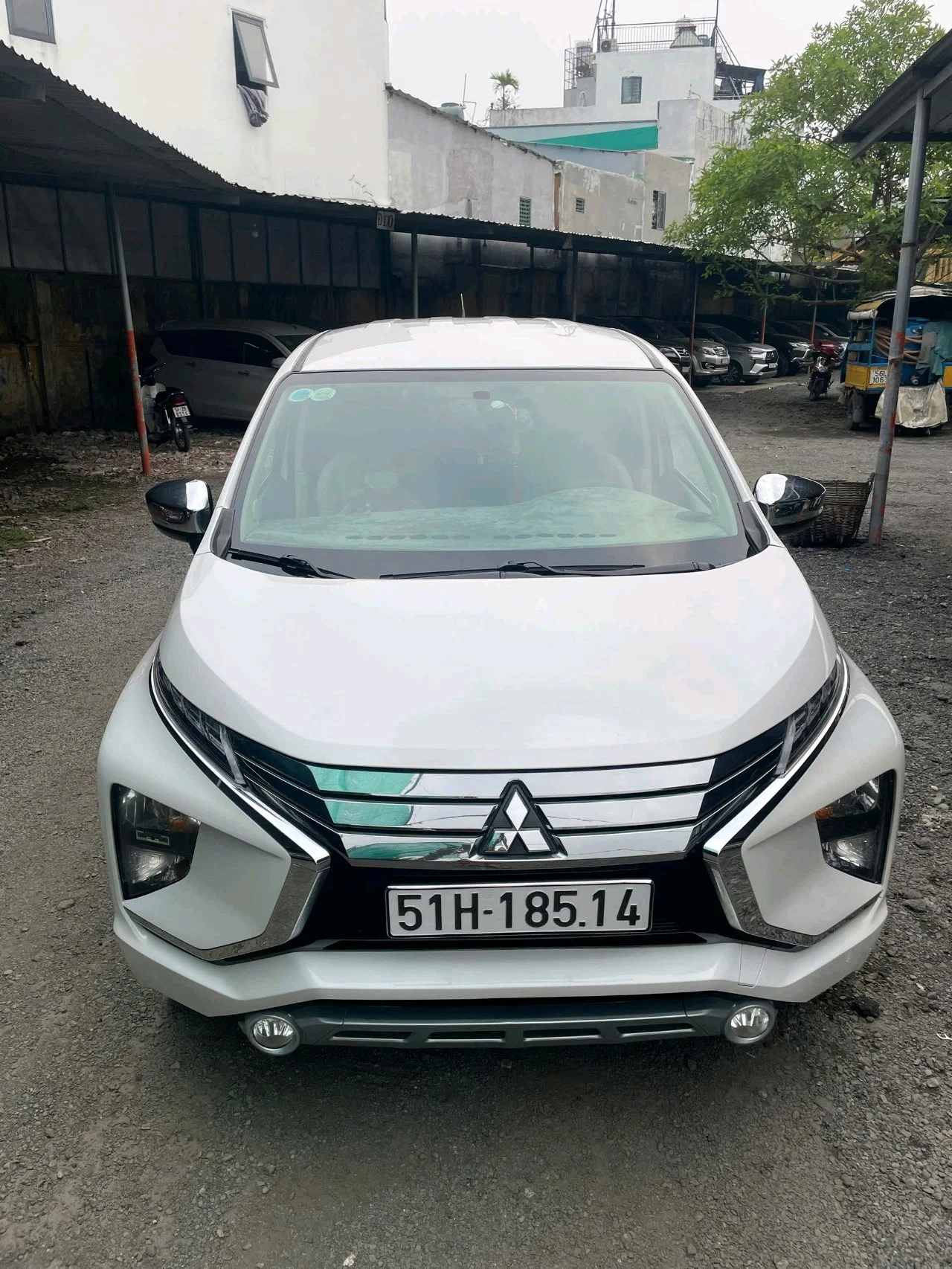
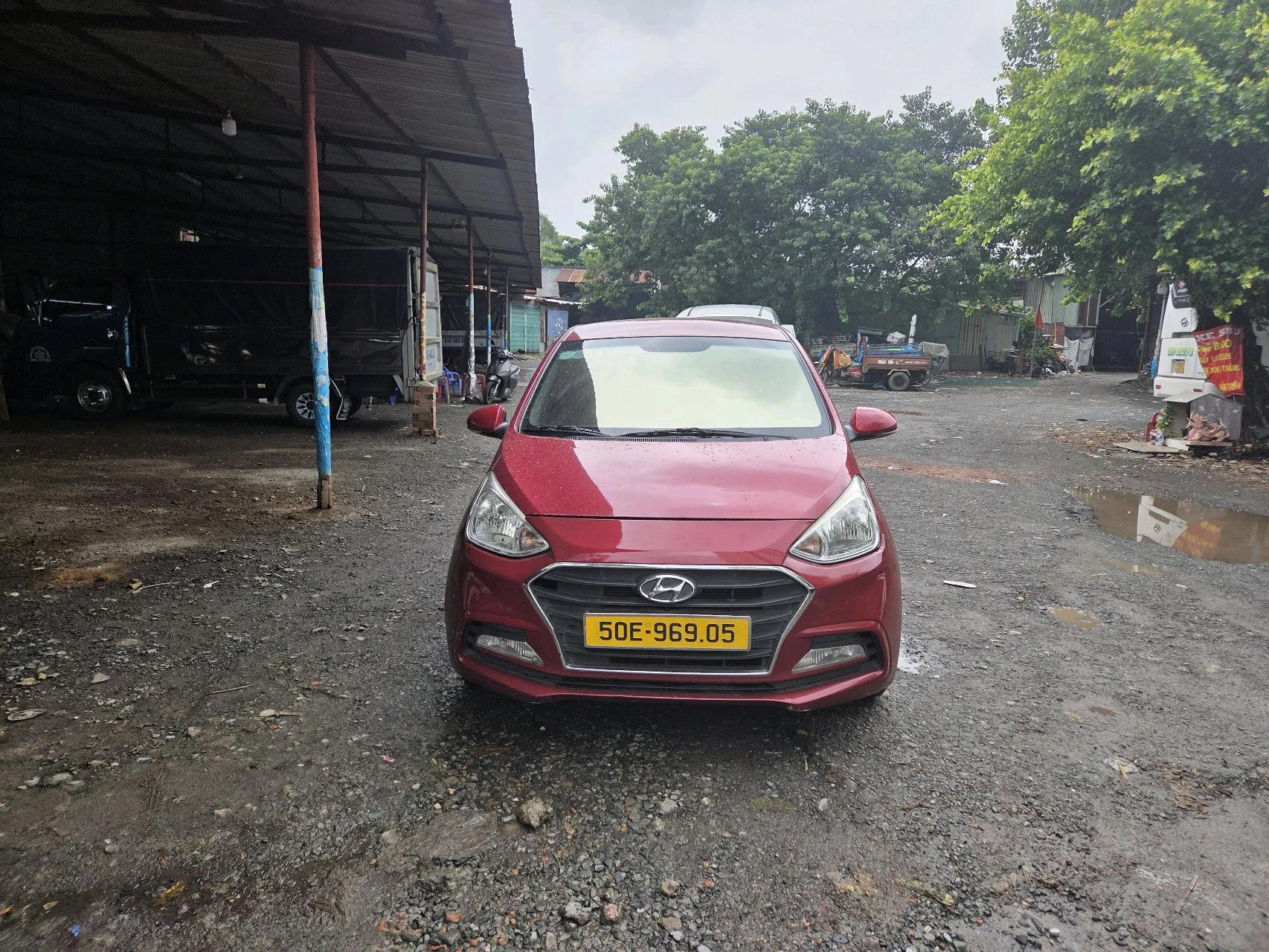
Renting a car for a business trip of 2 days: How to calculate costs for the company.
Understanding Car Rental Costs for a 2-Day Business Trip
Understanding how to calculate the cost of renting a self-drive car for a 2-day business trip helps businesses save money and avoid risks. A detailed guide on procedures, vehicle checks, and fees to keep in mind for a safe and effective trip.

1. Challenges when renting a self-driving car for work
WorkRent a self-driving carfor tripshort-term workIt seems simple, but in reality there are many issues to keep in mind. We are not simply looking for a car but also calculating the totalcost, additional fees and ensure the vehicle is suitable for use. Especially when time is short and work performance is the goal, choosing the right car can have a big impact on the trip.
1.1 Factors affecting car rental costs
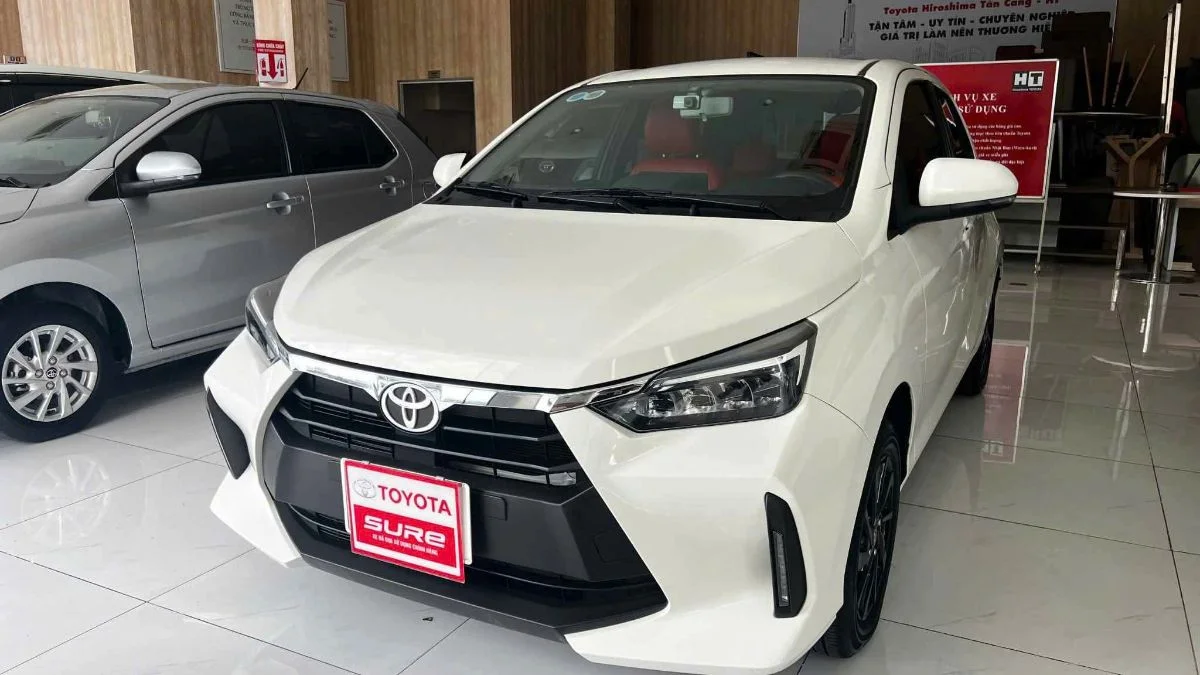
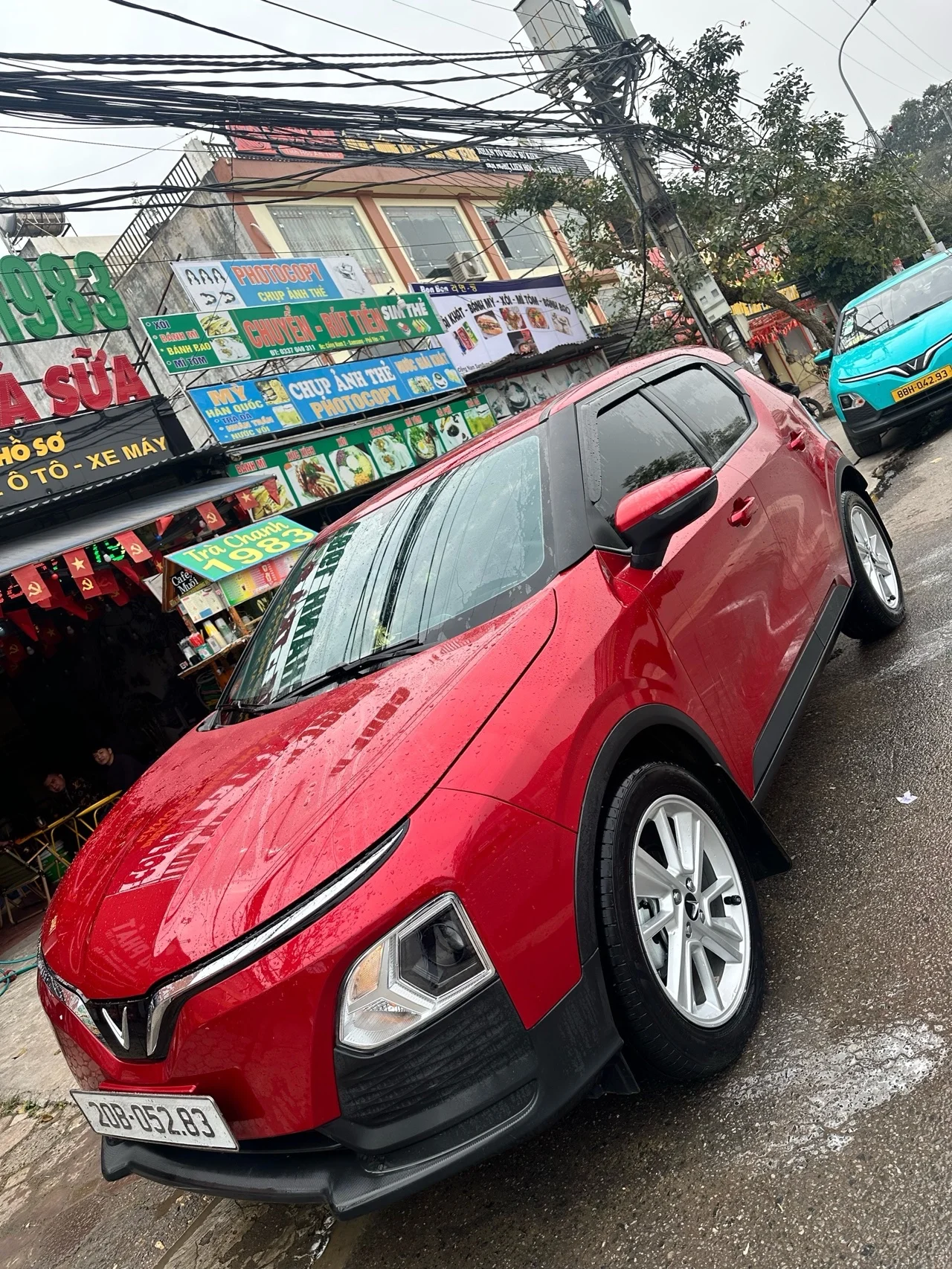
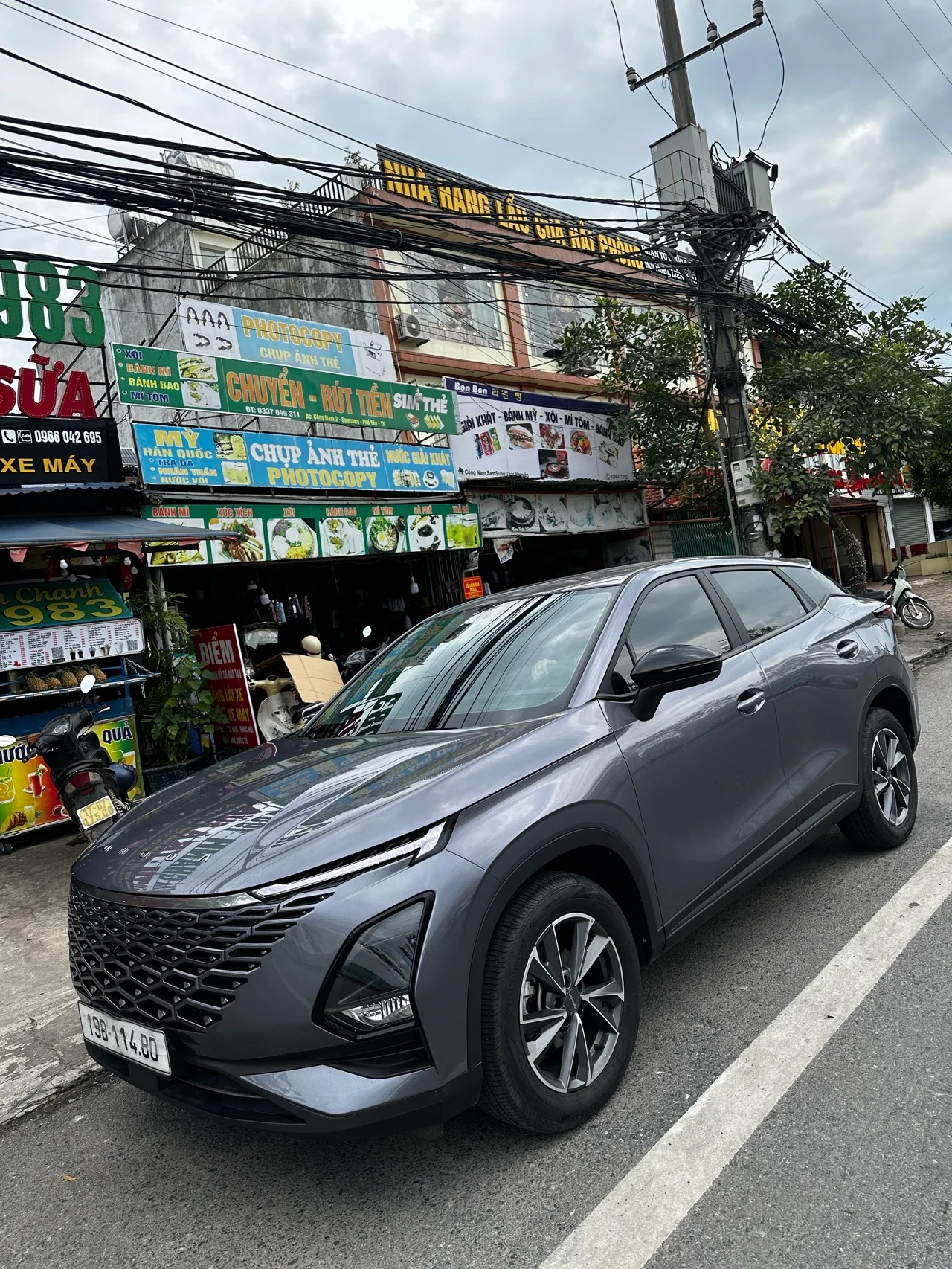
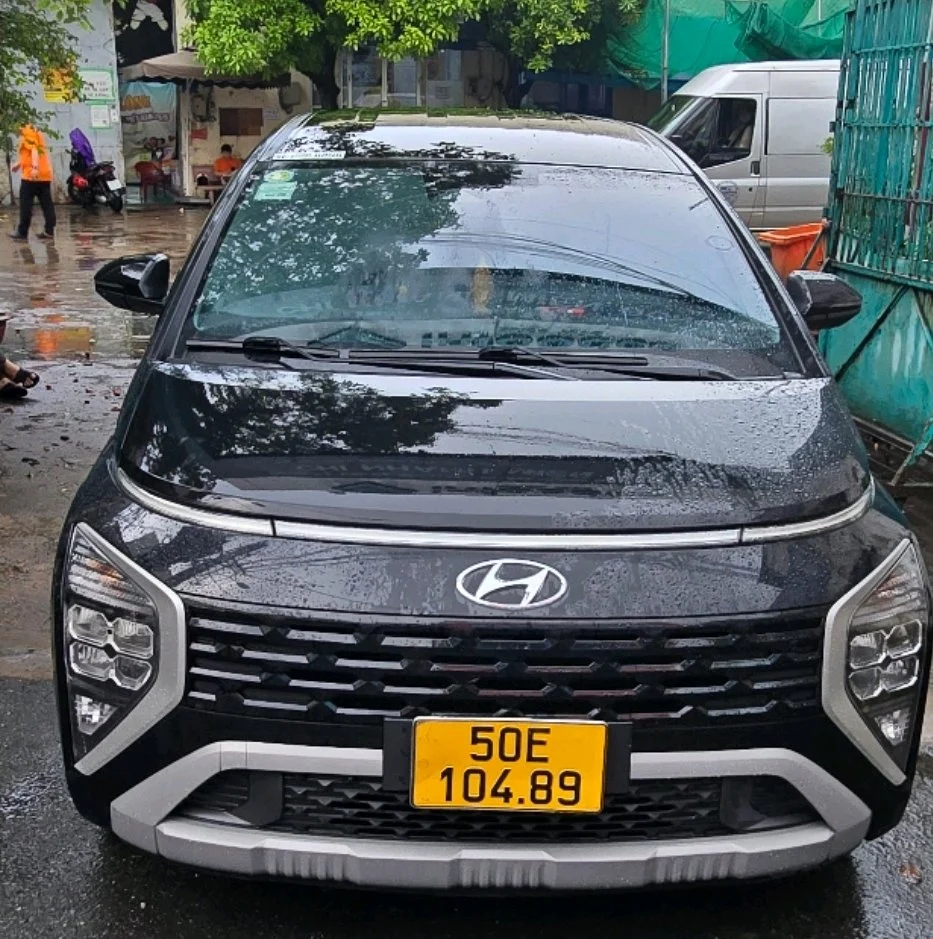
Before starting workcar rental, you need to determine factors that will affect the cost such as: vehicle type, rental period, expected number of kilometers traveled, and additional fees. For example, an SUV will cost more in comparison4 seater car, but if you need spacious space for meetings or carrying a lot of equipment, choosing an SUV may make more sense.
1.2 Potential risks that may arise
Risks such as compensation fees for car scratches, late return of the car, or fuel costs can significantly increase the cost of renting a car. Therefore, clearly understand thecontract termsand careful preparation will help you avoid unwanted surprises at checkout.
2. Procedures for renting a self-driving car should be noted
To rent a car, you need to prepare some necessary documents. These documents not only ensure the car rental process goes smoothly but also help you avoid unnecessary problems.

2.1 Necessary documents
Usually you need a Driver's License (GPLX B1/B2), CCCD with chip or VNeID and collateral (can be cash or valuable documents). For companies, having a letter of authorization or a car rental contract from the company will also help the car rental process go faster.
2.2 Contract signing process
Before signing the contract, carefully read the terms of additional fees, km limits and fuel regulations. Some units allow you to choose the fuel level when returning the vehicle, while others require the same fuel level upon pickup. This can cause additional costs if you don't pay attention.
3. Checklist to check the vehicle upon delivery
To avoid losing money unfairly when returning the car, you should have a detailed car inspection checklist. This not only helps you understand the vehicle's condition but also protects your rights in case of a future dispute.
3.1 General external inspection
Carefully examine scratches, tires, and windshields, recording any signs of damage. You should record a 360-degree video around the vehicle as evidence when handing it back. If there are any scratches that are not listed in the contract, ask the lessor to note them to avoid unfair compensation.
3.2 Check furniture and systems
Check the brakes, air conditioning, lights and other safety equipment. Make sure everything is working properly before you start your trip. An unsafe vehicle will not only put you at risk but can also lead to additional costs.
4. How to calculate the cost of renting a car for a 2-day business trip
To have an overview of costs, you need to calculate each item in detail. This helps you not only prepare a reasonable budget but also make adjustments when necessary.
4.1 Fixed costs and variable costs
Fixed costs include daily car rental prices, while variable costs can include fuel costs, tolls, and surcharges such as overtime fees. List all these items and estimate the total cost for 2 days of car rental.
4.2 Cost estimates for arising situations
To avoid surprises, budget about 10-20% extra costs for unexpected situations. This includes fees such as fines, compensation fees for unwanted scratches, and other unforeseen expenses. This helps you have a clearer financial plan for your trip.
5. Key tips for a safe trip
To ensure you have a productive and safe business trip, follow some of the advice below.
5.1 Choose a reputable rental unit
Choosing reputable units with good reviews will help you feel more secure. A platform like 8Car can be a reliable choice with quality commitments and clear contracts. Don't forget to check the terms and policies before deciding.
5.2 Make a specific plan for the journey
Before departing, plan your route, estimated time and stops. This not only saves time but also helps you be proactive in responding to unexpected situations. Combined with checking the vehicle's condition, you will have a smoother trip.

8Car.vn – Easy rental, quality drive! Our online self-drive car rental platform is ready to accompany you anytime, anywhere:
- Streamlined process: 100% online booking, fast document approval, and flexible deposit policies with no asset collateral worries.
- Diverse fleet: Hundreds of late-model 4–7 seater EVs & gasoline cars, regularly inspected and thoroughly cleaned.
- Complete peace of mind: Transparent pricing with no hidden fees, integrated trip insurance, and 24/7 technical support.
Explore & book now to enjoy special offers and take full control of your journey!


Recent posts
-
 Best Road Trips in Vietnam for Foreign Tourists 26/11/2026
-
 Explore Vietnam by Car: The Ultimate Self-Drive Travel Guide 26/11/2026
-
 Car rental near large urban areas: How to reach customers in the surrounding area? 26/11/2026
-
 Car rental near Noi Bai Airport: What should car owners pay attention to? 26/11/2026
-
 Renting a car with a driver or renting a self-drive car: Which option fits the budget? 26/11/2026
-
 Common car rental needs around Hanoi 26/11/2026
-
 Renting a car or taking a taxi: How to calculate costs for a 2-day trip 26/11/2026
-
 Customers booking cars online: What should be noted in the car rental contract process? 26/11/2026
-
 Checklist of costs to inquire about before confirming a car rental. 26/11/2026
-
 Weekend road trip costs by rental car: How to split expenses per person. 26/11/2026