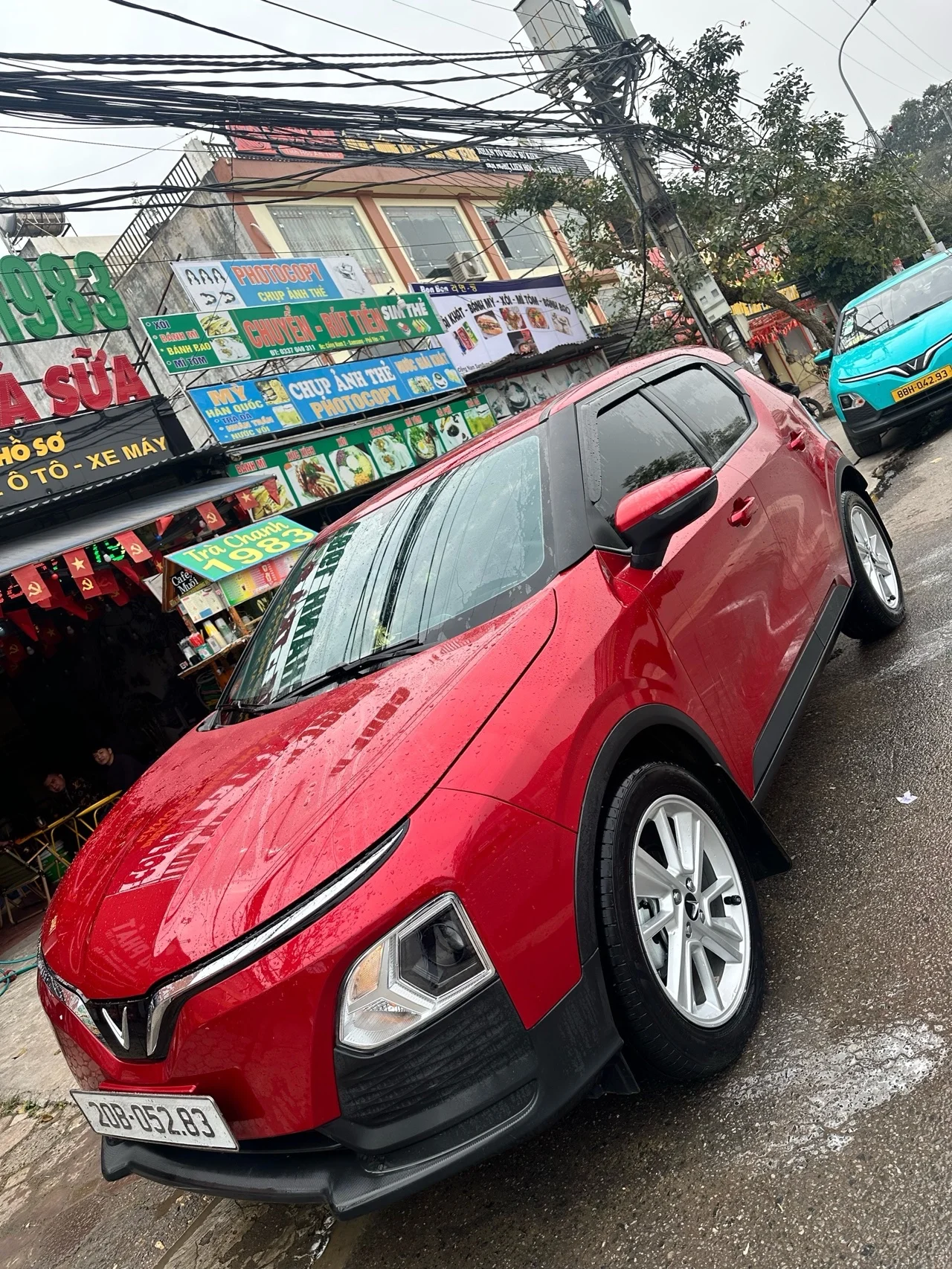
Does renting a car require a deposit? What expenses do renters need to prepare?
Vehicle Owners Need to Understand Deposits and Related Fees
Vehicle owners need to have a clear understanding of deposits and related fees to protect their assets and optimize profits from idle vehicles. This article provides a detailed insight into the process and the fees that need to be prepared from the perspective of vehicle owners.

1. Deposit in self-driving car rental: Car owner's perspective
When givingcar rental customers,depositIt's usually a big problemcar ownerneed to consider. The deposit is not only a guarantee for the car owner but also reflects the seriousness of the vehicletenant. Many car owners set a deposit from 1 million to 5 million VND depending on the value and type of car. This not only helpsproperty protectionbut also a factor that encourages tenants to take good care of their cars.
1.1. Benefits of asking for a deposit
Requiring a deposit brings many benefits to car owners. First, this deposit can be used to cover damages in case the tenant damages the vehicle. Second, it also helps car owners have more control over tenants, from thereminimize risksregarding vehicle delivery.
1.2. Risky if no deposit required
If a deposit is not required, the car owner may face greater risks, such as the tenant not returning on time or causing damage to the car with no way to compensate. This can lead to loss of assets and affect cash flow from car rentals.
2. Fees need to be prepared from the tenant
Not only the deposit, the car owner also needs to clearly identify other fees that the tenant may have to pay. This helps car owners manage assets more effectively and avoid unwanted surprises.

2.1. Daily car rental fee
The daily car rental fee is the main amount that the tenant will have to pay. Car owners need to determine a competitive price but still ensure profit. Depending on the type of car and rental period, this price can range from 500,000 to 2 million VND per day. Car owners should consult the market to find a reasonable price.
2.2. Fuel fees
Some car owners require renters to fill the gas tank when returning the car. Otherwise, vehicle owners may be charged additional fuel fees. This fee needs to be clearly stated in the contract to avoid future disputes. Vehicle owners can also note the fuel status at the time of handover as evidence.
2.3. Other arising fees
Other additional fees also need to be taken into account such as road tolls and fines if guests violate traffic laws. Vehicle owners should have a clear process for collecting these fees, helping to avoid unnecessary conflicts. Clearly stating it in the contract will help the car owner have more basis to handle the situation.
3. Vehicle delivery and inspection process
The vehicle delivery process is an important step that cannot be overlooked. The car owner needs to have a detailed handover record to ensure the rights and responsibilities of both parties.
3.1. Vehicle handover record
The handover record should include detailed information about the vehicle's condition, mileage, fuel quantity and vehicle accessories. Taking photos of the car from many angles before delivery is also a good way to protect the car owner's rights. If there are any scratches on the vehicle, it should be noted in the record.
3.2. Delivery time
Vehicle delivery time also needs to be clearly specified. The car owner should ask the tenant to return the car on time to avoid the car being late for the rental schedule. If the tenant returns the car late, there should be a clear penalty clause in the contract.
4. Manage vehicle assets and protect rights
Protecting assets when renting a car is an important issue that car owners need to pay attention to. Equipping a GPS navigation device and dash cam not only helps monitor the vehicle's condition but also brings peace of mind to the vehicle owner.
4.1. Supportive technology
Technology is now very developed, installing GPS and dash cams helps car owners monitor their vehicle's journey and can handle it promptly if an incident occurs. Additionally, this information can also be used to verify incurred fees.
4.2. Car insurance
Two-way body insurance is also an effective asset protection solution. If an accident or damage occurs, insurance will help minimize financial losses for the car owner. Car owners need to read the insurance terms carefully to ensure their rights.
5. Key advice for car owners when starting out
Before renting a car, car owners need to clearly understand the regulations and procedures related to rentals. Be fully prepared for fees and request a reasonable deposit to protect your assets. Developing a clear and detailed rental contract will help the car owner be more confident in delivering the car to the tenant.
In this way, car owners not only optimize income from idle vehicles but also minimize risks arising during the rental process. Always be careful and prepared before starting your car rental journey.

8Car.vn – Easy rental, quality drive! Our online self-drive car rental platform is ready to accompany you anytime, anywhere:
- Streamlined process: 100% online booking, fast document approval, and flexible deposit policies with no asset collateral worries.
- Diverse fleet: Hundreds of late-model 4–7 seater EVs & gasoline cars, regularly inspected and thoroughly cleaned.
- Complete peace of mind: Transparent pricing with no hidden fees, integrated trip insurance, and 24/7 technical support.
Explore & book now to enjoy special offers and take full control of your journey!


Recent posts
-
 Best Road Trips in Vietnam for Foreign Tourists 26/11/2026
-
 Explore Vietnam by Car: The Ultimate Self-Drive Travel Guide 26/11/2026
-
 Car rental near large urban areas: How to reach customers in the surrounding area? 26/11/2026
-
 Car rental near Noi Bai Airport: What should car owners pay attention to? 26/11/2026
-
 Renting a car with a driver or renting a self-drive car: Which option fits the budget? 26/11/2026
-
 Common car rental needs around Hanoi 26/11/2026
-
 Renting a car or taking a taxi: How to calculate costs for a 2-day trip 26/11/2026
-
 Customers booking cars online: What should be noted in the car rental contract process? 26/11/2026
-
 Checklist of costs to inquire about before confirming a car rental. 26/11/2026
-
 Weekend road trip costs by rental car: How to split expenses per person. 26/11/2026