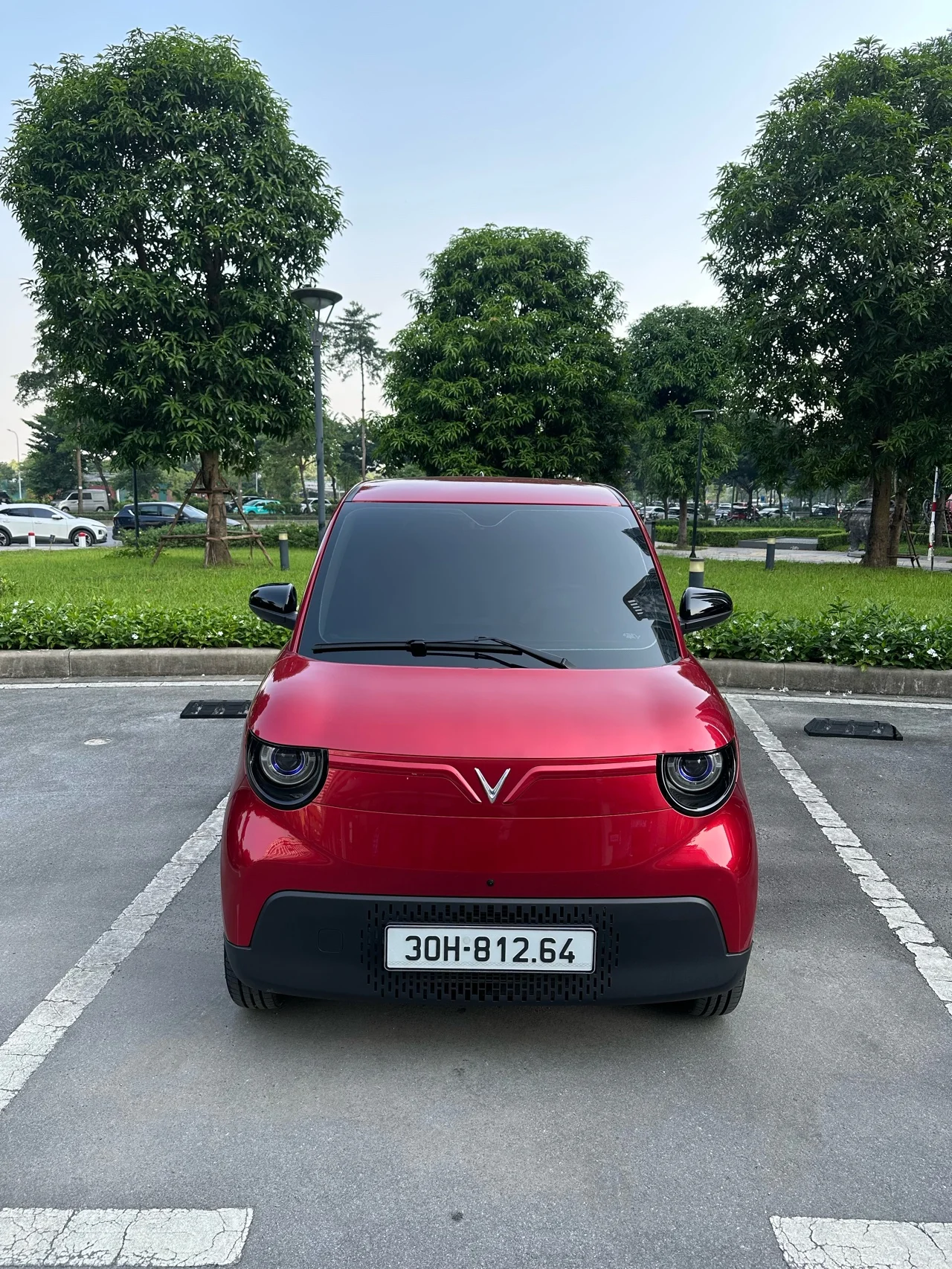
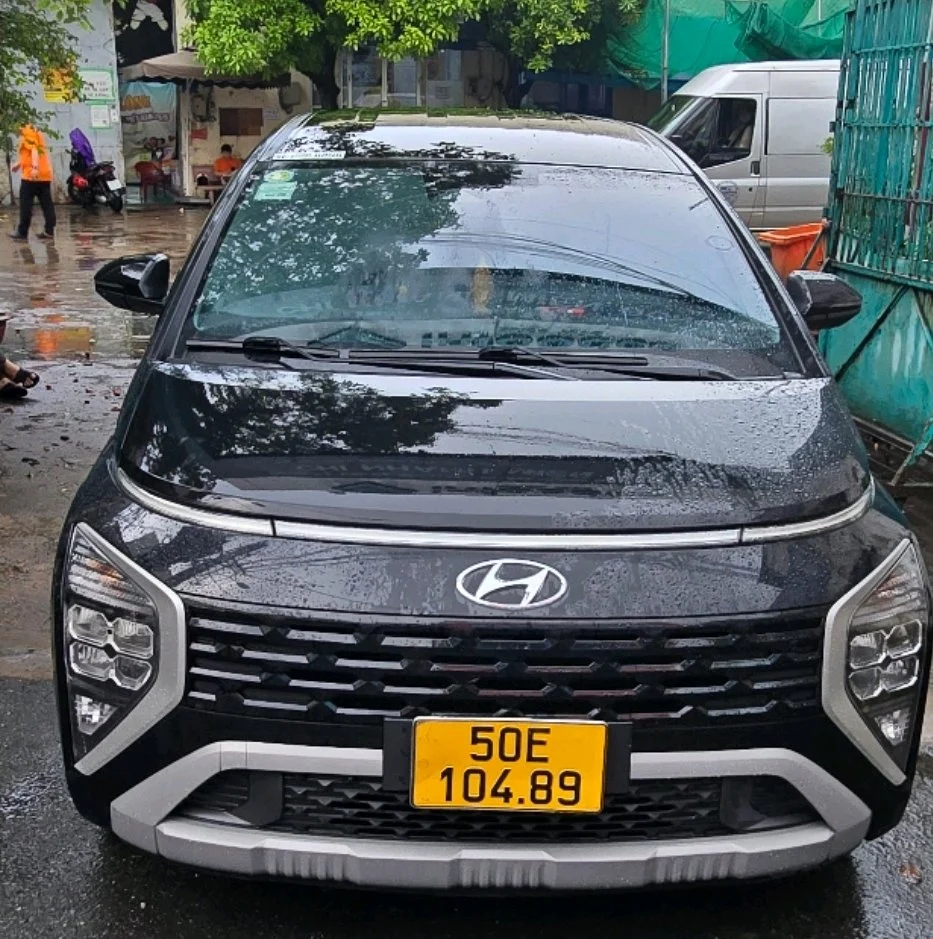
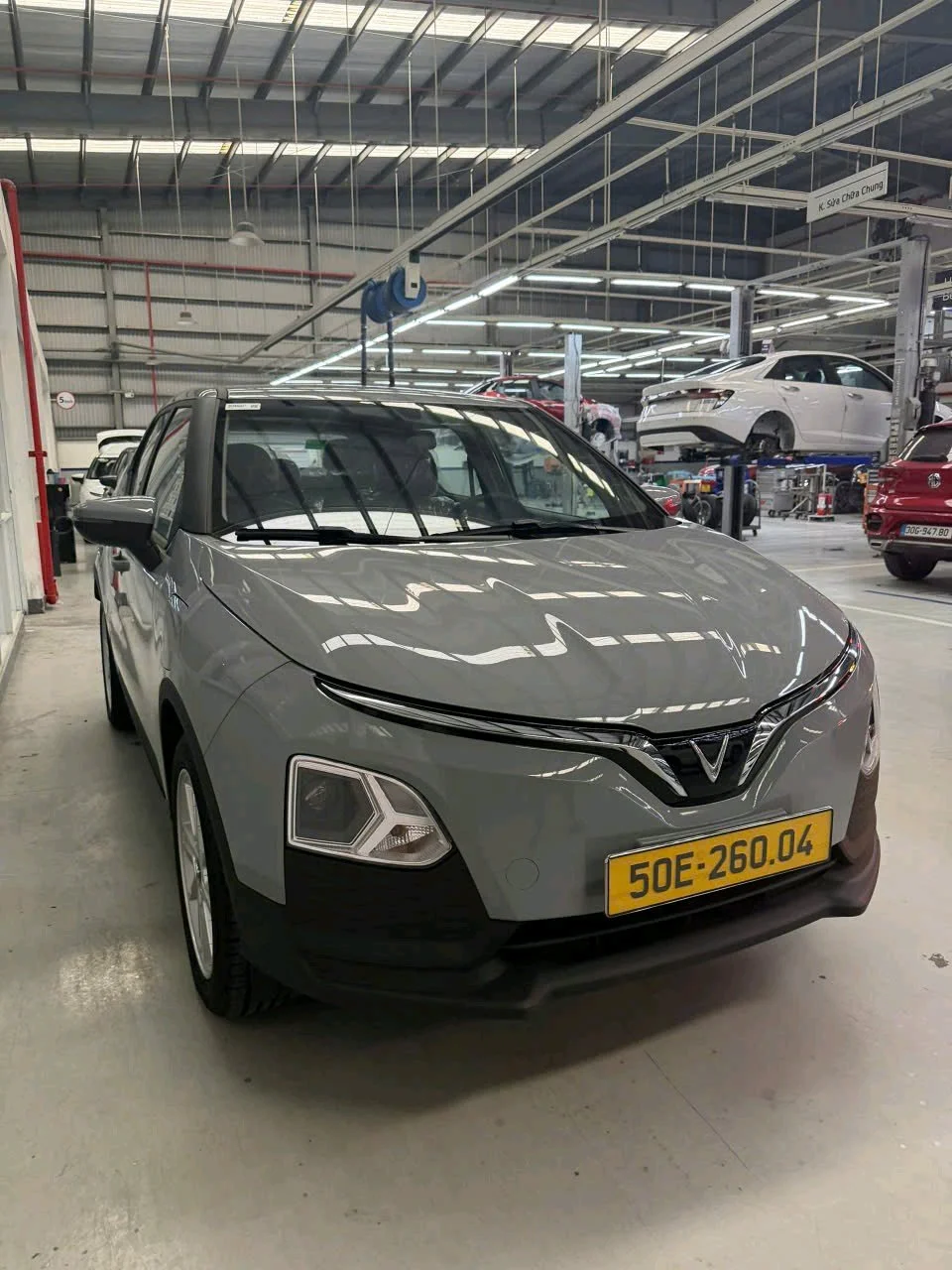
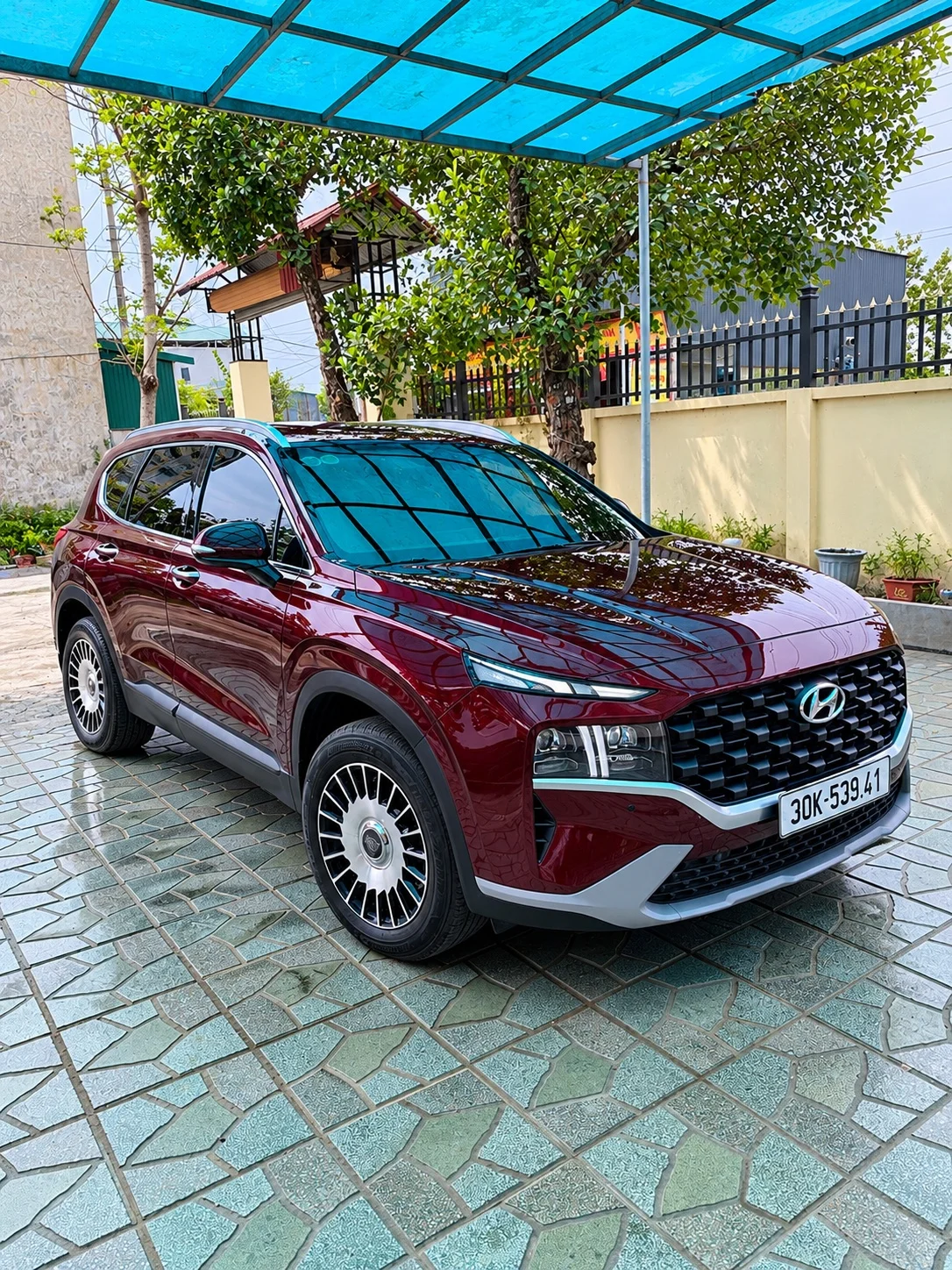
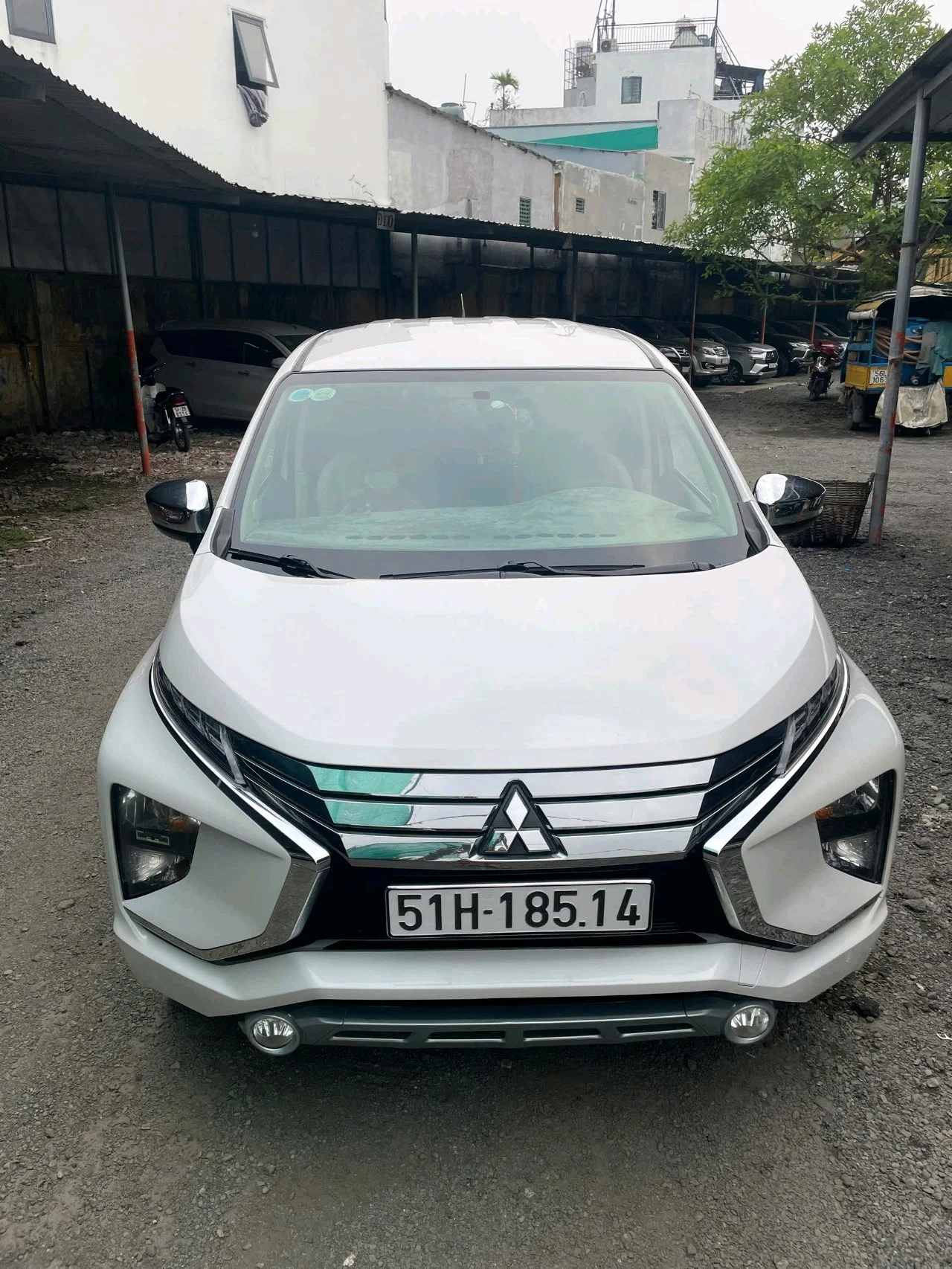
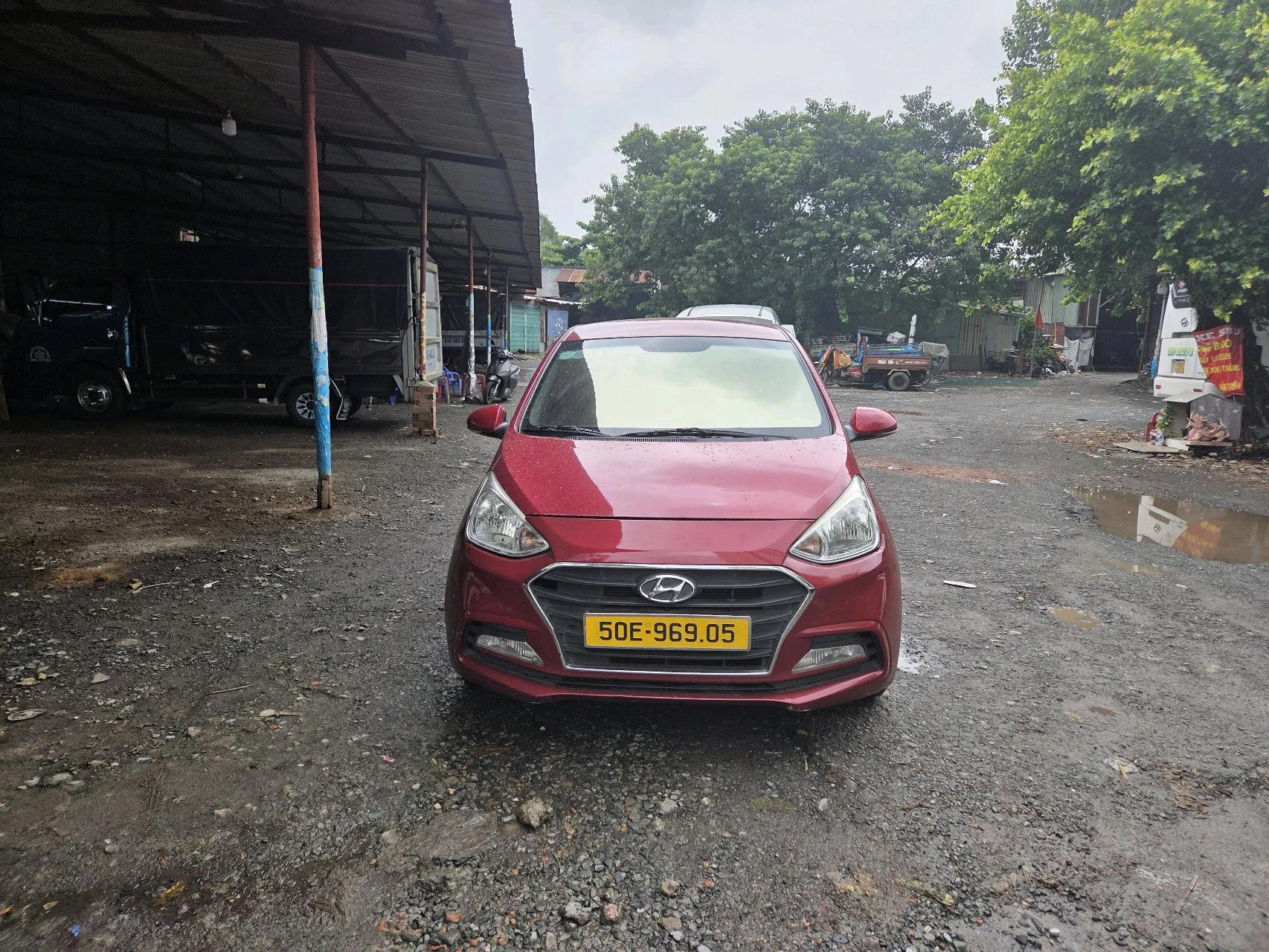
Experience in building a maintenance schedule for vehicles when frequently renting them out for self-driving.
Building a Reasonable Vehicle Maintenance Schedule
Help vehicle owners optimize income from idle vehicles, minimize the risk of damage, and enhance customer satisfaction. Detailed guidance from vehicle management expert 8Car.

1. The importance of regular maintenance for rental cars
Whenself-drive car rental, regular maintenance not only helps maintain the vehicle's performance but alsoproperty protectionofcar owner. A well-maintained car willminimize risksabout failures and increase customer satisfactiontenant. If the car has a problem during the rental period, the car owner will not only waste time dealing with it but also suffer financial and reputational damage.
At the same time, car maintenance also affects the competitiveness of car owners in the car rental market. Customers often prioritize cars that are clean, operate well and can be trusted in terms of safety. Therefore, building a regular maintenance schedule is necessaryOptimize income from vehiclesidle.
Analyze factors affecting maintenance schedule
Important factors to consider when developing a maintenance schedule include: rental frequency, vehicle usage conditions (road, climate), and vehicle age. If the car is rented frequently, the owner will need to perform more maintenance than a car that is traveled infrequently. According to experience, rental cars should be maintained at least every 5,000 km or every three months, depending on specific usage conditions.
Advantages and disadvantages of periodic maintenance
It can be seen that regular maintenance brings many benefits such as extending the life of the vehicle, saving major repair costs later and improving customer satisfaction. However, the main disadvantage is the time and cost of continuous maintenance. Car owners need to carefully calculate to optimize their maintenance budget while still ensuring vehicle safety and performance.
2. Procedure for establishing vehicle maintenance schedule
To build a reasonable maintenance schedule, car owners should follow these steps:

- Evaluate the vehicle's current condition: Check main components such as engine, brake system, tires, lights and electrical system.
- Determine maintenance frequency: Based on rental frequency, vehicle type and usage conditions to decide the time or distance between maintenance sessions.
- Make a list of tasks that need to be done: Note down maintenance items such as oil changes, brake checks, tire checks, and interior cleaning.
- Record maintenance schedules: Use an app or spreadsheet to record maintenance schedules and track progress.
Checklist of periodic maintenance for car owners
To ensure that no work is missed, car owners can use the following checklist:
- Change engine oil periodically.
- Check and replace air filter and oil filter.
- Check tire wear and tire pressure.
- Check the brake system and brake fluid.
- Check the electrical system and lighting.
- Wash the car and clean the interior.
Real-life example of maintenance schedule
For example, if a rental car regularly runs 15,000 km per year, the car owner can set up a maintenance schedule as follows:
- Change engine oil and oil filter every 5,000 km.
- Check tires and brakes every 10,000 km.
- Clean and maintain the interior every 3 months.
3. Techniques to protect assets during the rental process
In addition to regular maintenance, car owners also need to apply property protection measures to avoid damage during the rental process. Using GPS navigation devices and dash cams is one of the effective ways. Positioning devices not only help track the vehicle's location but also provide information about the tenant's journey, helping the car owner have a basis to handle disputes if they occur.
Insurance policy for rental car
Car owners should consider purchasing 2-way body insurance to protect assets when renting. This insurance will help offset repair costs in the event of a collision or damage to the vehicle due to the tenant's fault. Insurance contracts should be read carefully to understand the terms and conditions.
Risk handling process when an incident occurs
If the car has a problem, the car owner needs to have a clear handling process. First, it is necessary to record information from the tenant such as time, location and cause of the incident. Then, assess the damage and take photos as evidence. Finally, car owners should contact their insurance company and take the necessary steps to handle the problem quickly and effectively.
4. Benefits of using the 8Car platform in maintenance management
The 8Car platform not only connects car owners with renters but also provides useful tools for managing maintenance schedules. Vehicle owners can use the app to create automatic maintenance schedules, receive notifications when maintenance is due, and track maintenance costs easily.
Manage maintenance schedules effectively
With 8Car, car owners can update maintenance information into the system and receive notifications when it is time to perform. This helps the car owner not miss any maintenance and ensures the car is always in the best condition when delivered to the tenant.
Financial support and expense reporting
In addition, 8Car helps car owners track maintenance costs and prepare financial reports, thereby helping car owners have an overview of cash flow from rental cars. This is important for making sound business decisions and optimizing profits.
5. Key advice for car owners when starting out
To optimize income from idle vehicles and minimize risks, car owners need to build a reasonable maintenance schedule, strictly manage assets and use support tools such as the 8Car platform. Don't forget that vehicle maintenance is not only a responsibility, but also a way to improve reliability and customer satisfaction. Get started today to protect your assets and maximize your rental car profits.

8Car.vn – Easy rental, quality drive! Our online self-drive car rental platform is ready to accompany you anytime, anywhere:
- Streamlined process: 100% online booking, fast document approval, and flexible deposit policies with no asset collateral worries.
- Diverse fleet: Hundreds of late-model 4–7 seater EVs & gasoline cars, regularly inspected and thoroughly cleaned.
- Complete peace of mind: Transparent pricing with no hidden fees, integrated trip insurance, and 24/7 technical support.
Explore & book now to enjoy special offers and take full control of your journey!


Recent posts
-
 Best Road Trips in Vietnam for Foreign Tourists 26/11/2026
-
 Explore Vietnam by Car: The Ultimate Self-Drive Travel Guide 26/11/2026
-
 Car rental near large urban areas: How to reach customers in the surrounding area? 26/11/2026
-
 Car rental near Noi Bai Airport: What should car owners pay attention to? 26/11/2026
-
 Renting a car with a driver or renting a self-drive car: Which option fits the budget? 26/11/2026
-
 Common car rental needs around Hanoi 26/11/2026
-
 Renting a car or taking a taxi: How to calculate costs for a 2-day trip 26/11/2026
-
 Customers booking cars online: What should be noted in the car rental contract process? 26/11/2026
-
 Checklist of costs to inquire about before confirming a car rental. 26/11/2026
-
 Weekend road trip costs by rental car: How to split expenses per person. 26/11/2026