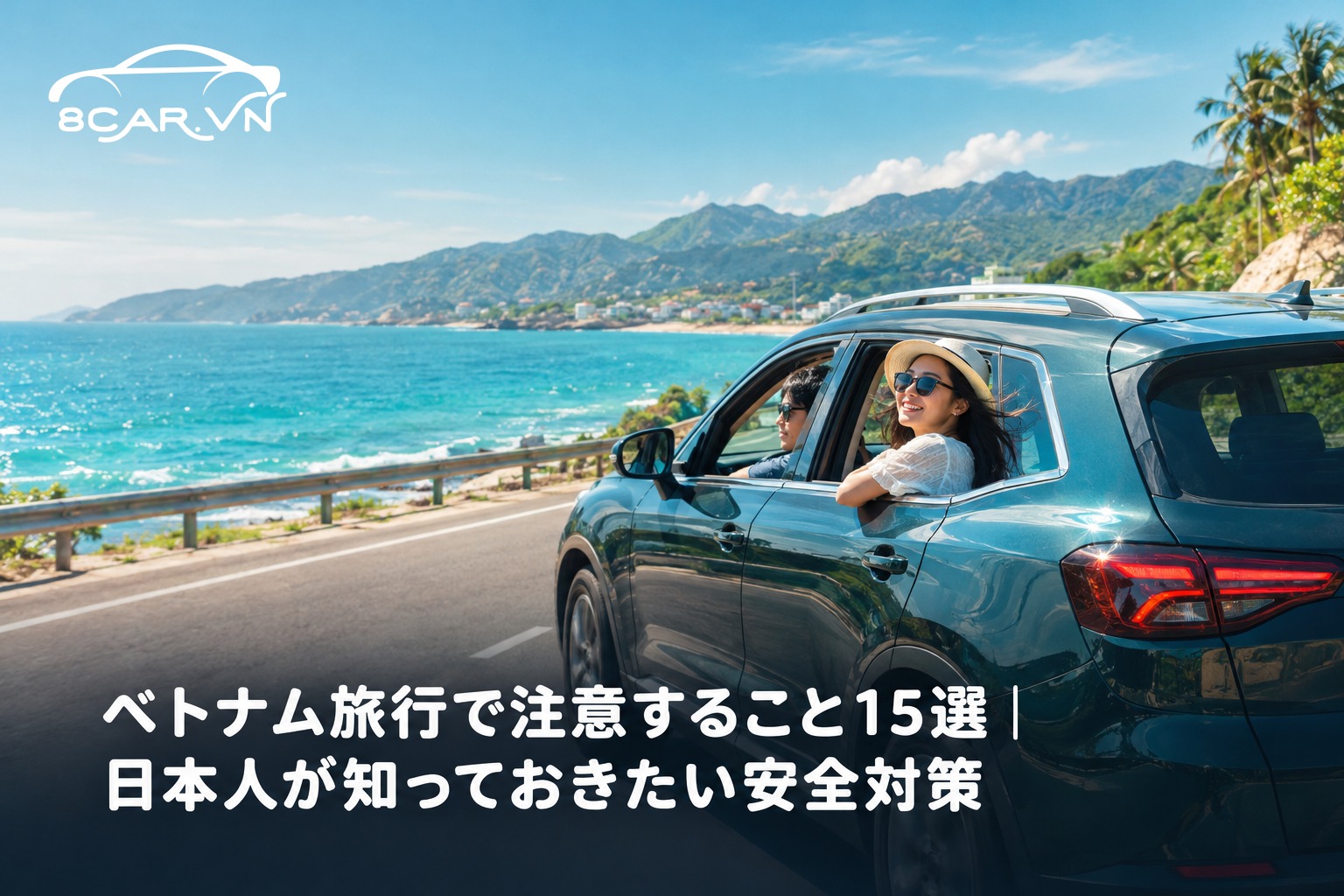
15 things to be careful about when traveling to Vietnam | Safety measures that Japanese people need to know
A thorough explanation of 15 points to ensure safe travel in Vietnam. In particular, we will introduce specific advice on precautions and procedures when using a rental car.
1. Understand the traffic situation in Vietnam
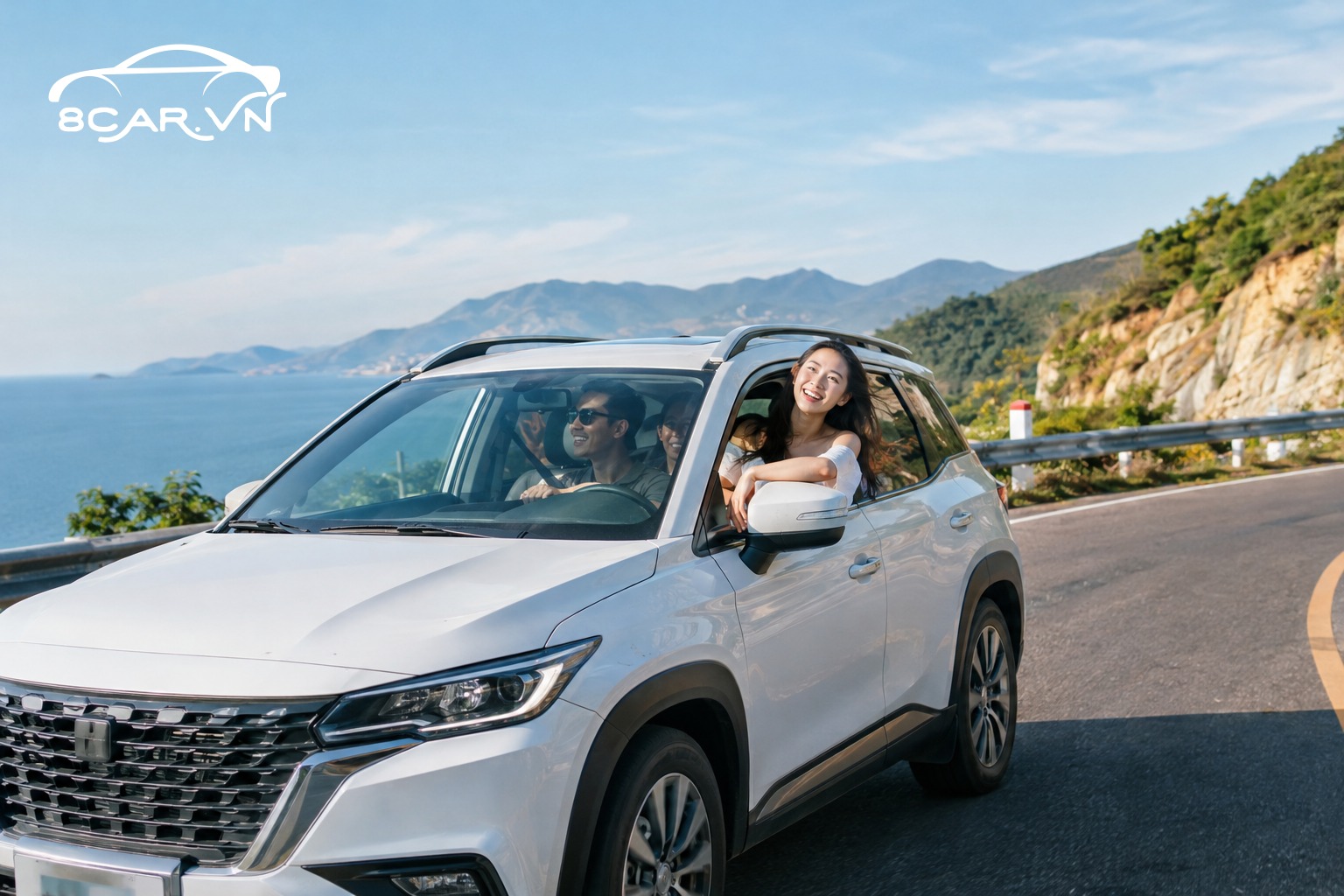
In Vietnam, traffic rules are not always strictly followed. There are a lot of motorcycles on the road, so you need to be especially careful when driving a car. It is important to be aware of your surroundings, as intersections and pedestrian signals may be unclear.
Traffic congestion and driving tips
There is a lot of traffic in urban areas, especially during rush hours. While driving, you should be especially aware of the movements of motorcycles and be prepared for sudden approaches or overtaking. Understanding local driving styles can also reduce stress.
2. Rental car procedures and required documents
When renting a car, you must have your driver's license (B1/B2) and identification card (CCCD) ready. Additionally, you may be required to pay a security deposit, so be sure to check this in advance.
List of required documents
- Driving license (B1 or B2)
- ID card (CCCD or VNeID)
- Security deposit or credit card
3. Checklist for vehicle delivery
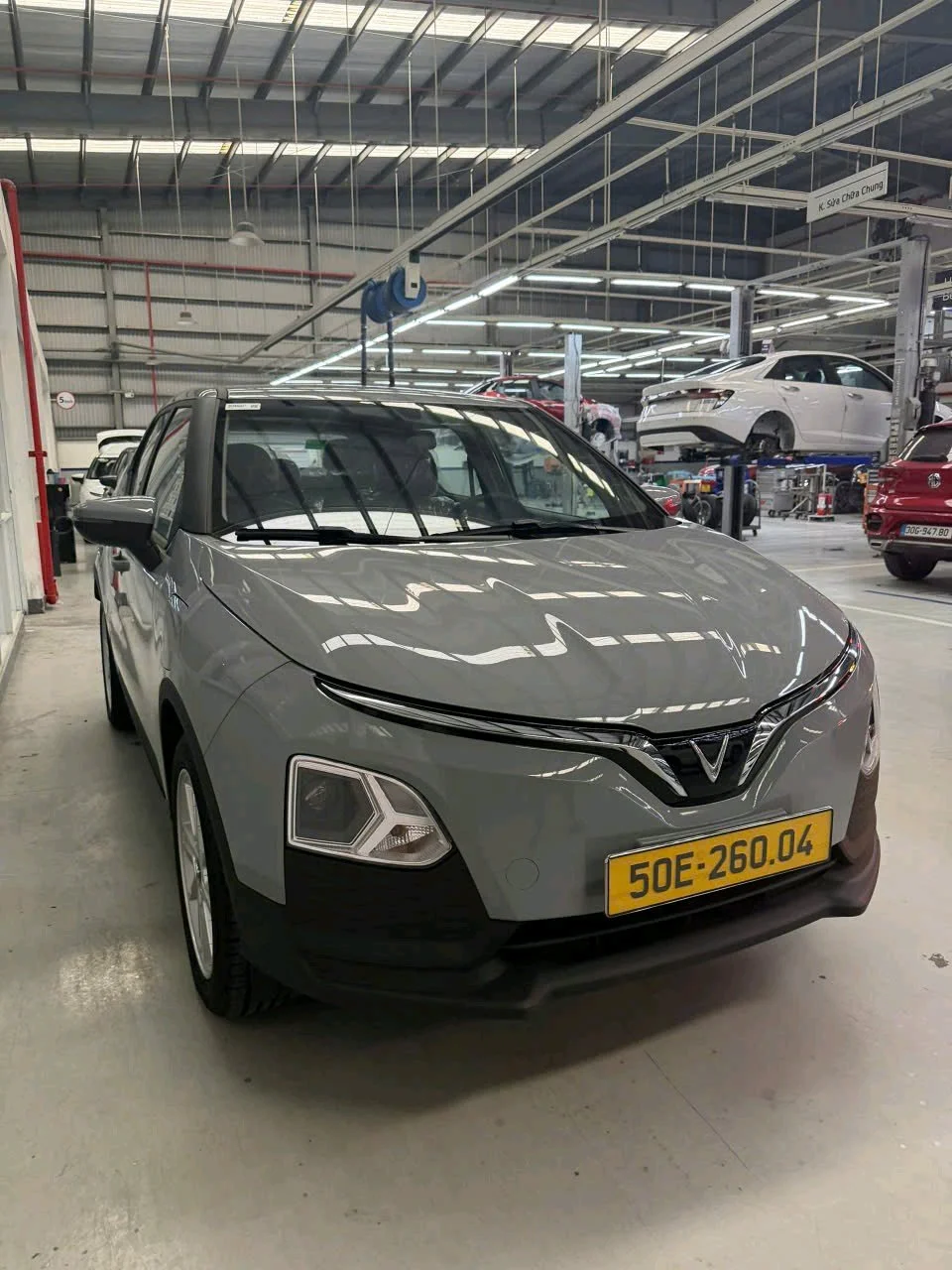
When you receive your vehicle, be sure to check its condition. It is important to take a 360 degree video and check for any scratches or dents. Also, don't forget to check the fuel level, brakes, and air conditioner functions.
checkpoint
- Vehicle appearance condition (scratches, dents)
- Tire condition and air pressure
- Fuel remaining
4. Confirmation and understanding of contract details
When renting a car, read the contract carefully, especially regarding mileage limits and additional charges. It is important to understand in advance the charges for overtime and fuel regulations.
Items to check in the contract
- Mileage limit
- Additional charge terms
- Insurance details and responses in the event of an accident
5. Safety measures for long distance driving
If you plan on driving long distances, it's important to take frequent breaks. As fatigue accumulates, your judgment deteriorates, so be sure to get adequate rest.
Tips for driving long distances
While driving, take regular bathroom breaks and eat snacks in the car to stay focused. Also, check the route before driving and use navigation if possible to avoid getting lost.
6. The importance of following the rules
It is very important to follow traffic rules in Vietnam. In particular, drinking and driving is strictly prohibited and the penalties are severe, so please avoid it at all costs.
Danger of drunk driving
Even small amounts of alcohol can impair judgment and cause accidents. If you have a friend or companion with you, it may be a good idea to take measures such as taking turns driving.
7. Respect Vietnamese culture
It is also important to respect local culture and customs. Especially in religious places, you need to be careful about how you dress and behave.
Acting with respect for culture
At temples and sacred sites, you are expected to dress appropriately and behave quietly. Also, being polite to the locals will help you build better relationships.
8. What to do in case of an accident
In preparation for an accident, it is important to check in advance what to do after an accident. Make sure you know who to contact and the necessary procedures.
Flow when an accident occurs
- Contact the police and obtain an accident certificate
- Contact rental car company
- Report to insurance company
9. Consider purchasing travel insurance
We recommend that you consider purchasing travel insurance in case of unexpected problems during your trip. Coverage for injury, illness, and theft is especially important.
How to choose insurance
It's important to choose insurance that fits your needs. Be sure to check the insurance payment terms and coverage carefully and prepare to enjoy your trip with peace of mind.
10. Enjoy communicating with locals
Communicating with the locals will give you a deeper cultural experience. It's a good idea to memorize some simple Vietnamese phrases.
communication tips
Remembering "Xin chào" for "hello" and "Cảm ơn" for thank you will help you get closer to the locals.
11. Understand popular tourist destinations
There are many tourist attractions in Vietnam, but it is important to research the place before visiting. Be sure to check business hours and admission fees in advance.
How to choose tourist destinations
You can have a better experience by checking the access and crowding of the places you visit and choosing the tourist destination that suits your travel style.
12. Be careful with your valuables
To avoid trouble, you must be careful in managing your valuables. Be careful of theft, especially on public transportation or in crowded places.
Tips for managing valuables
It is important to always keep your wallet and cell phone on you and not to carry more than necessary.
13. Enjoy local food culture
Vietnam's food culture is diverse, but it is important to enjoy it while paying attention to hygiene. When trying street food, try to choose a restaurant that looks clean.
How to choose meals
Restaurants where locals gather often use fresh ingredients, but it is important to choose dishes that suit your physical condition.
14. Preparation for natural disasters
Vietnam is a region where natural disasters occasionally occur. Especially during typhoon season, it is important to check information in advance and take necessary measures.
Disaster preparedness
If bad weather is expected, consider reevaluating your travel plans.
15. Post-trip review
Once your trip is over, it's important to take time to reflect on your memories. Be sure to leave notes so you can use your good experiences and reflections next time.
The importance of reflection
Looking back on your travel impressions will help you plan your next trip.
8Car.vn – Easy rental, quality drive! Our online self-drive car rental platform is ready to accompany you anytime, anywhere:
- Streamlined process: 100% online booking, fast document approval, and flexible deposit policies with no asset collateral worries.
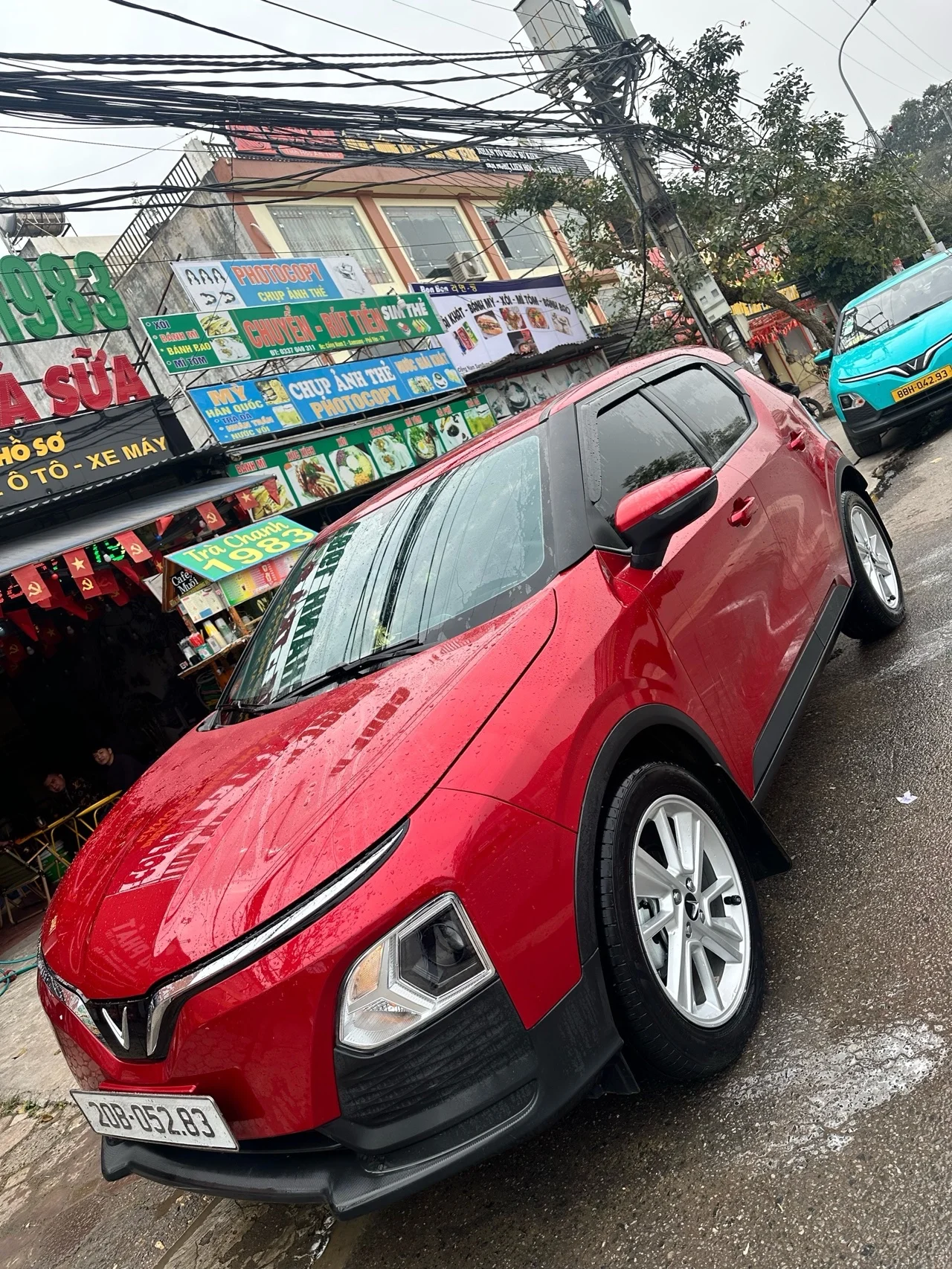
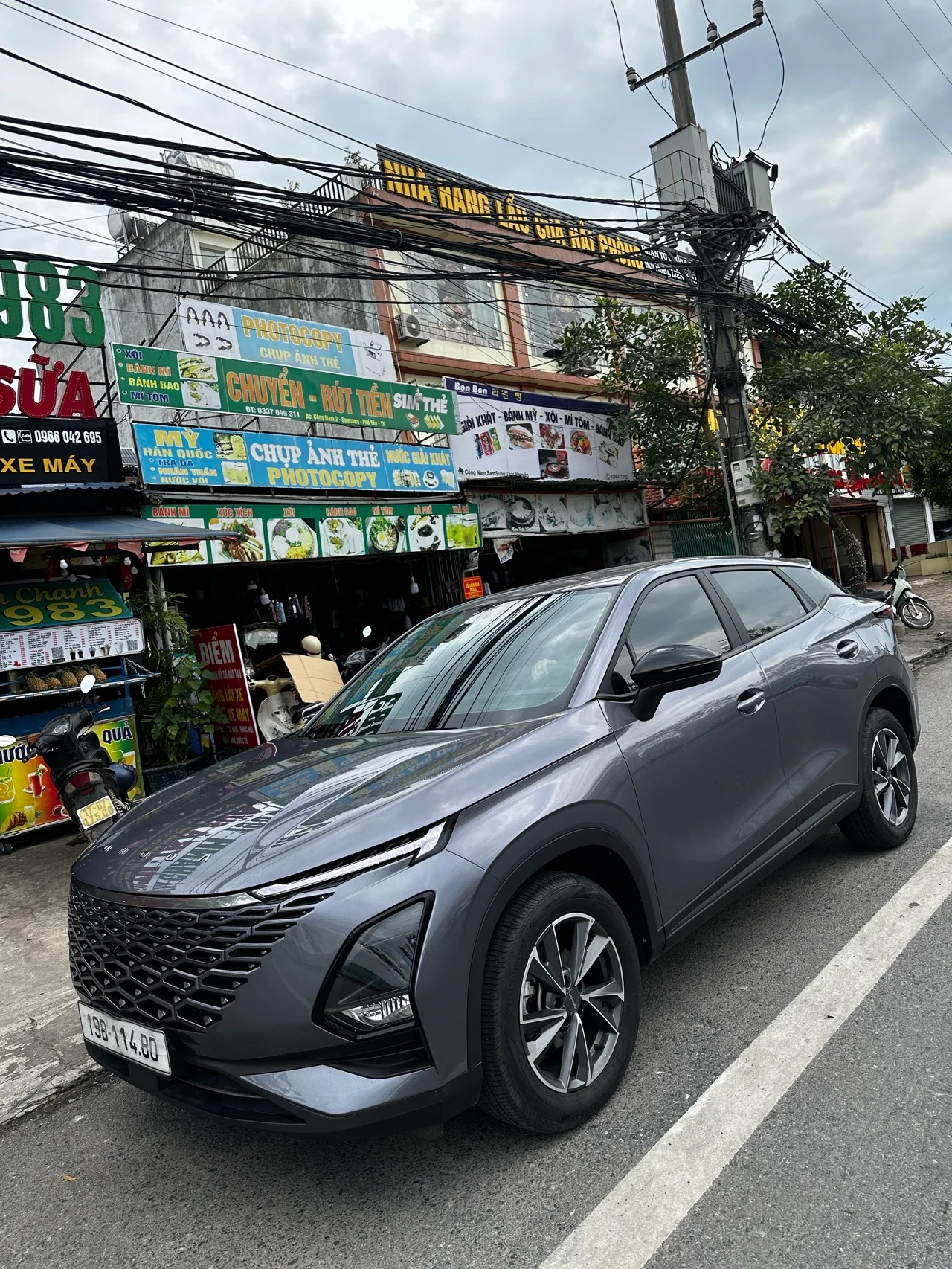
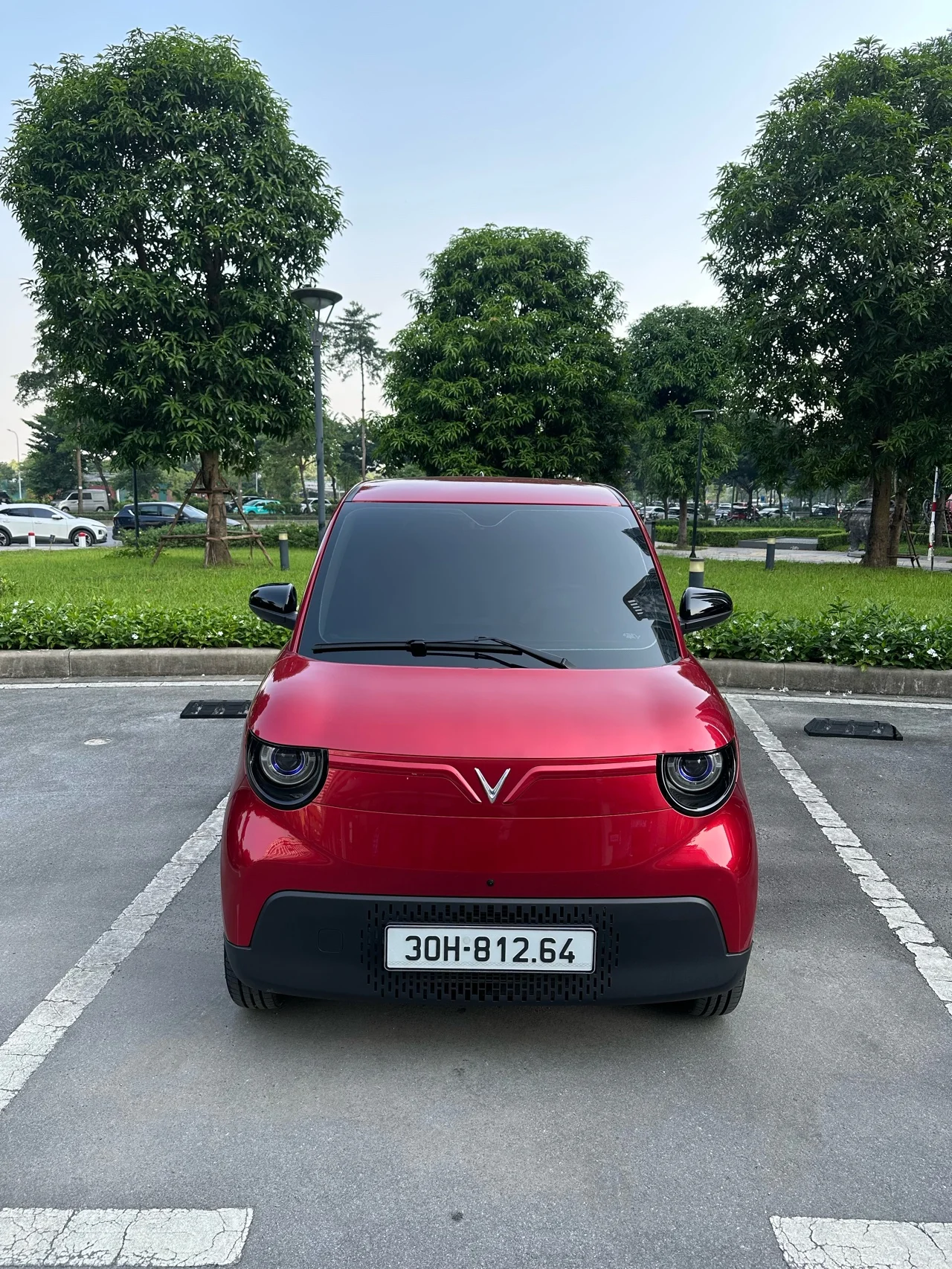
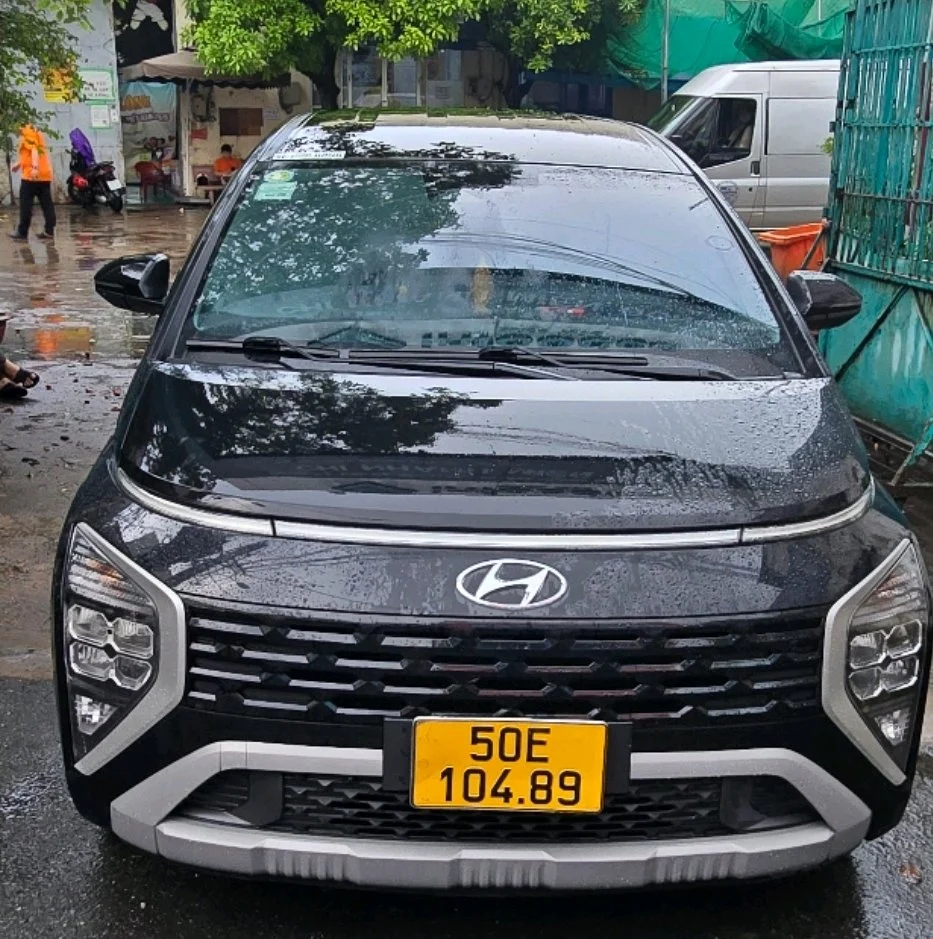
- Diverse fleet: Hundreds of late-model 4–7 seater EVs & gasoline cars, regularly inspected and thoroughly cleaned.
- Complete peace of mind: Transparent pricing with no hidden fees, integrated trip insurance, and 24/7 technical support.
Explore & book now to enjoy special offers and take full control of your journey!
Recent posts
-
 Monthly Car Rental in Vietnam for Expats: Costs and Best Options 27/11/2026
-
 Renting a Car in Vietnam for a Family Holiday: What You Should Know 27/11/2026
-
 Vietnam Road Trip: 10 Amazing Places to Explore by Rental Car 27/11/2026
-
 Hanoi to Ha Long Bay by Rental Car: Routes, Costs and Travel Tips 26/11/2026
-
 Best Road Trips in Vietnam for Foreign Tourists 26/11/2026
-
 Explore Vietnam by Car: The Ultimate Self-Drive Travel Guide 26/11/2026