Cost of traveling to Ha Long by self-driving: Budget calculation from A-Z
Learn in detail about the types of expenses when traveling to Ha Long by self-driving to help you plan a reasonable budget.
This guide includes costs for car rental, fuel, toll fees, and other expenses to keep in mind, helping you have a budget-friendly and safe trip.

1. Calculate the cost of renting a self-driving car
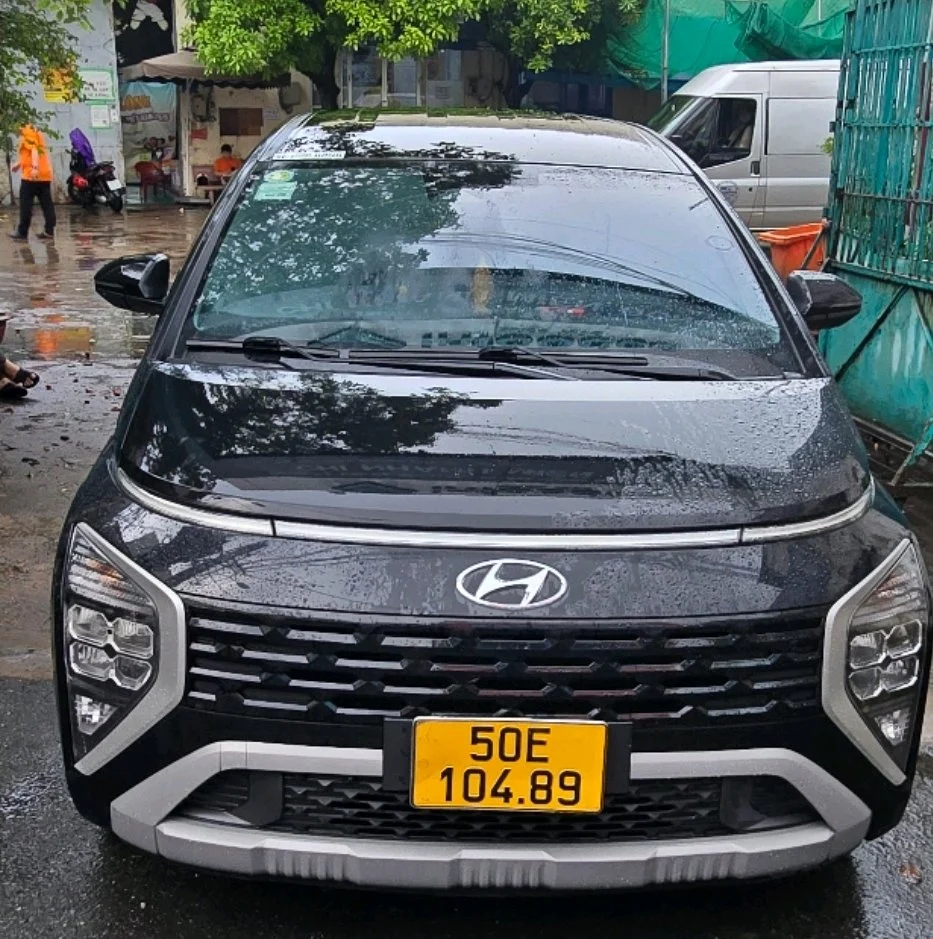
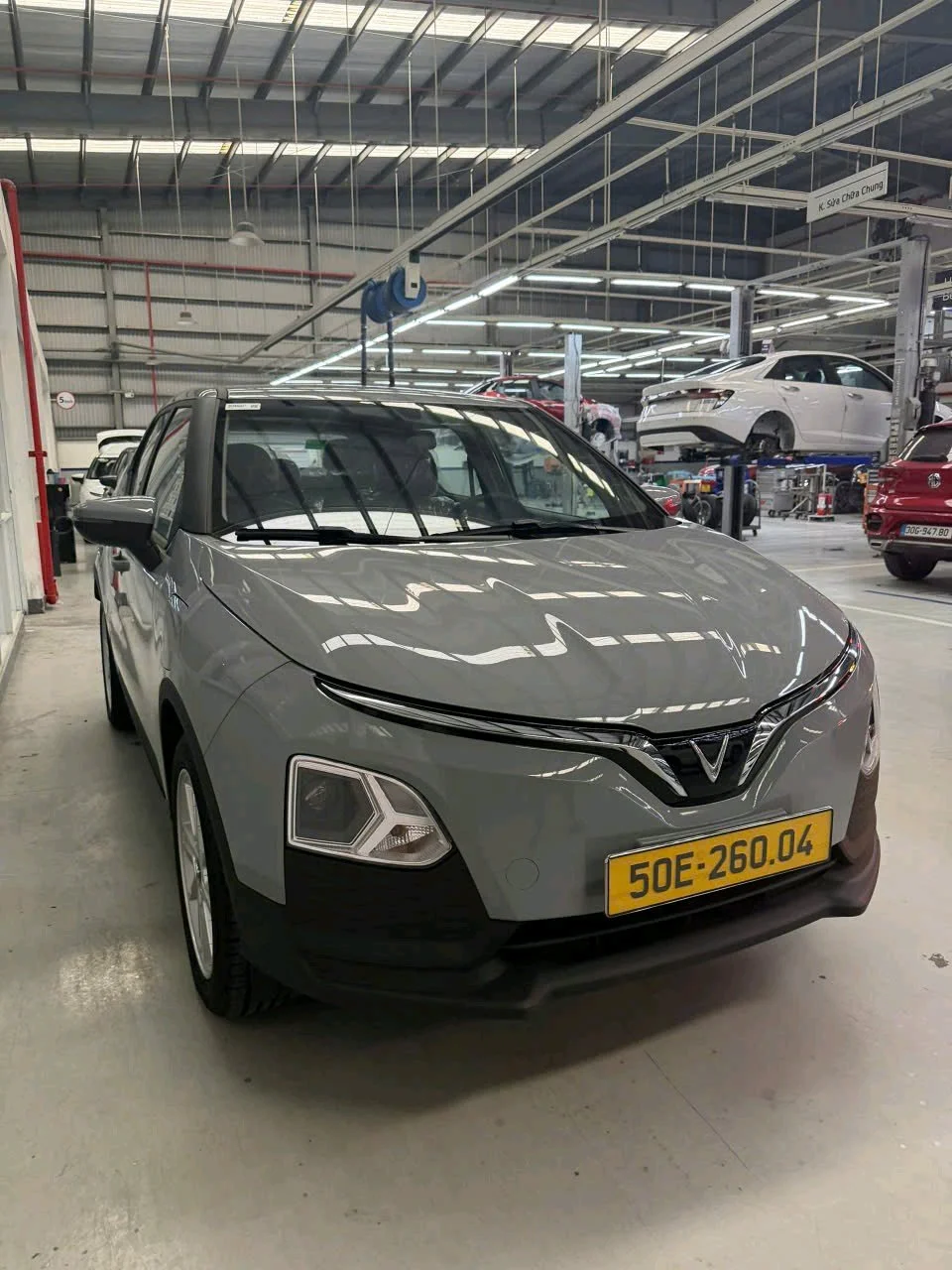
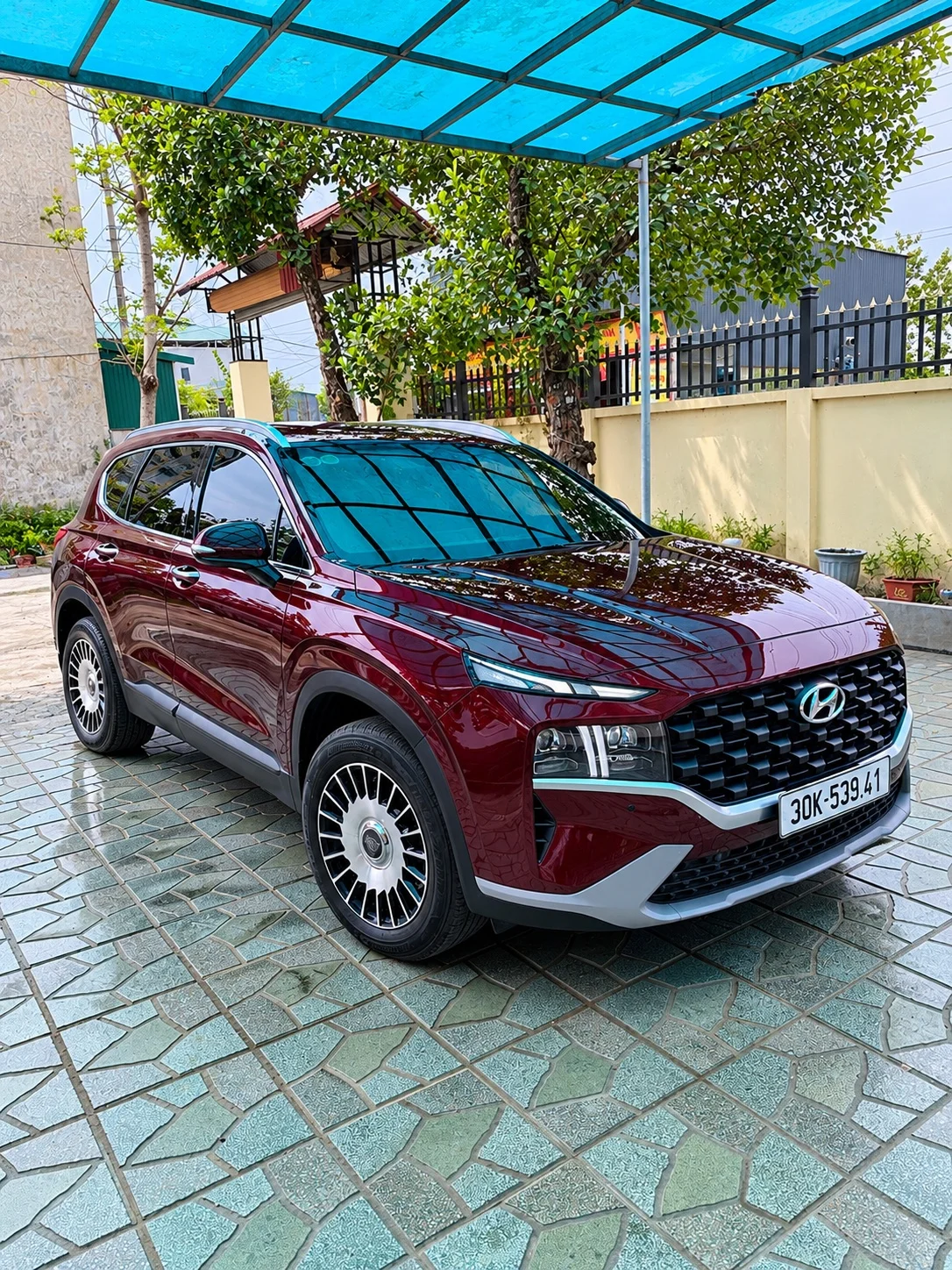
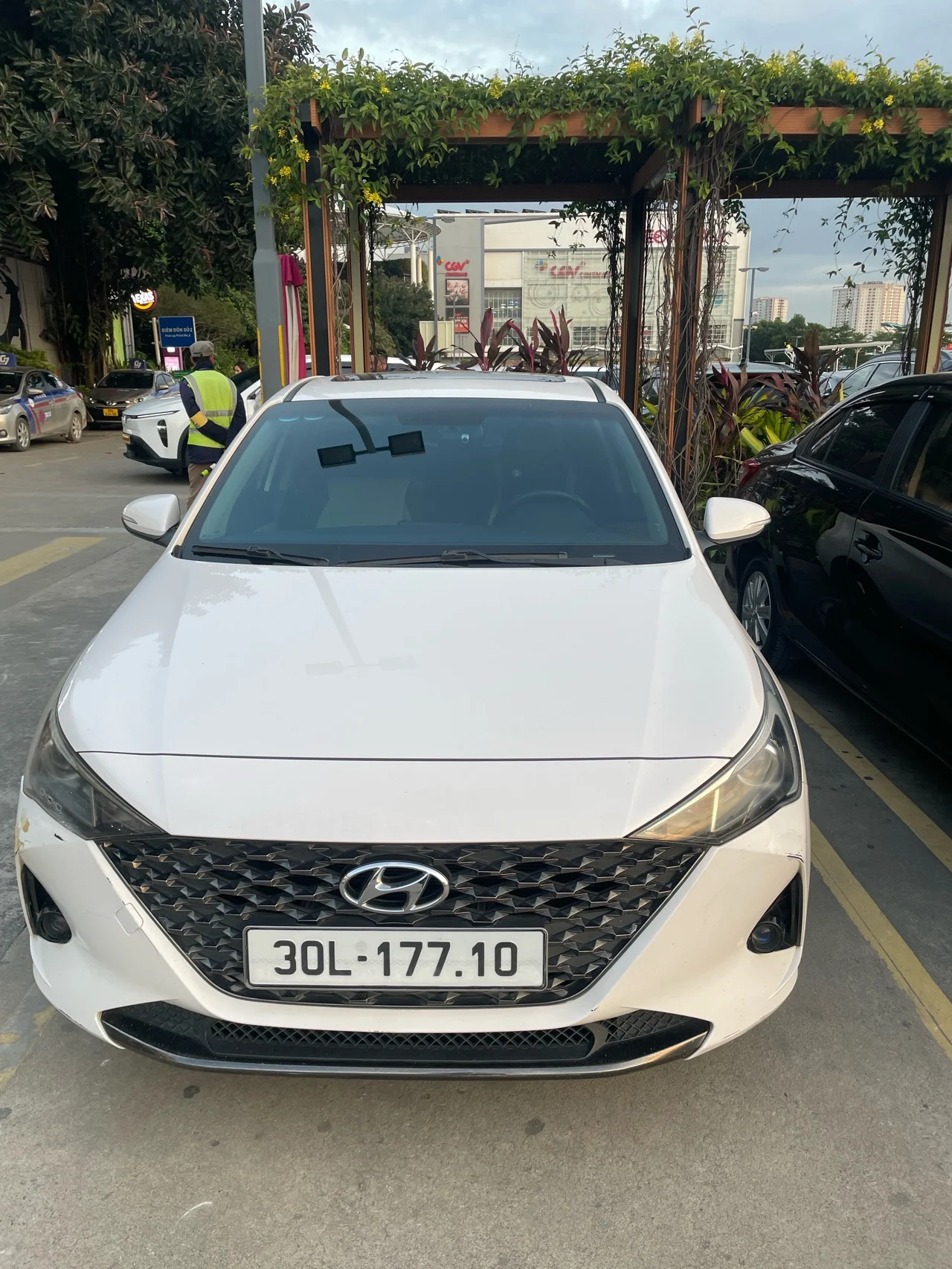
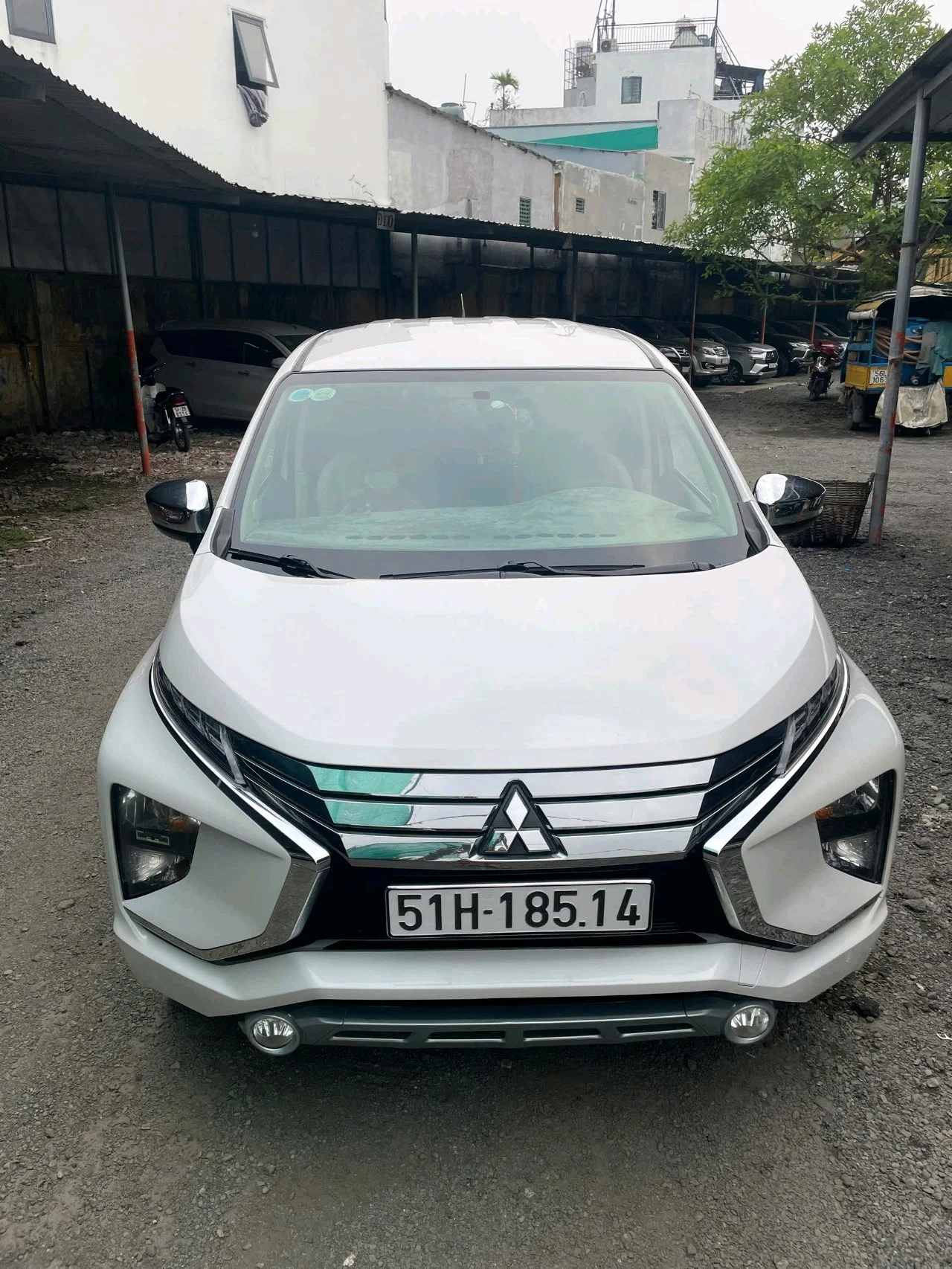
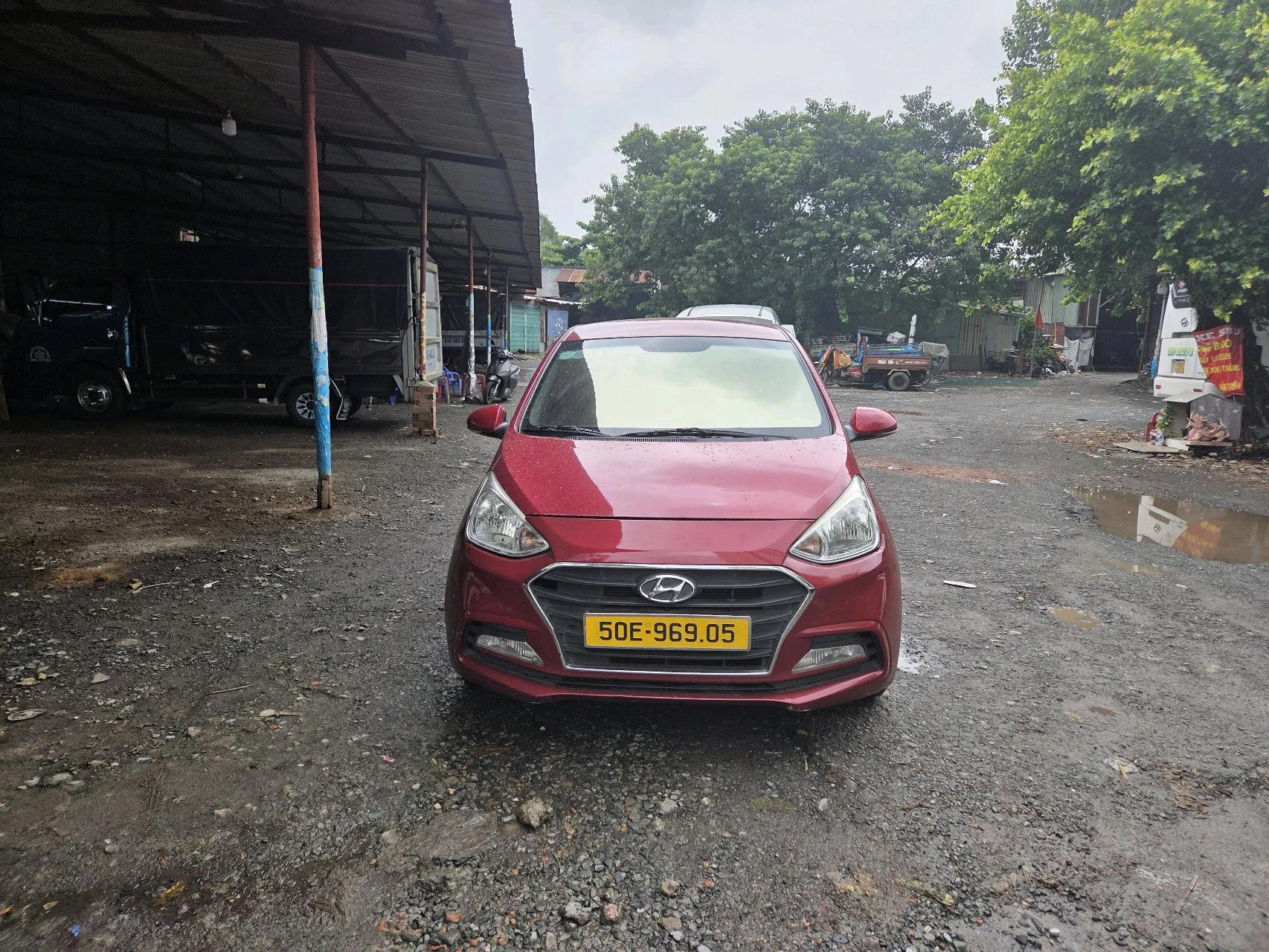
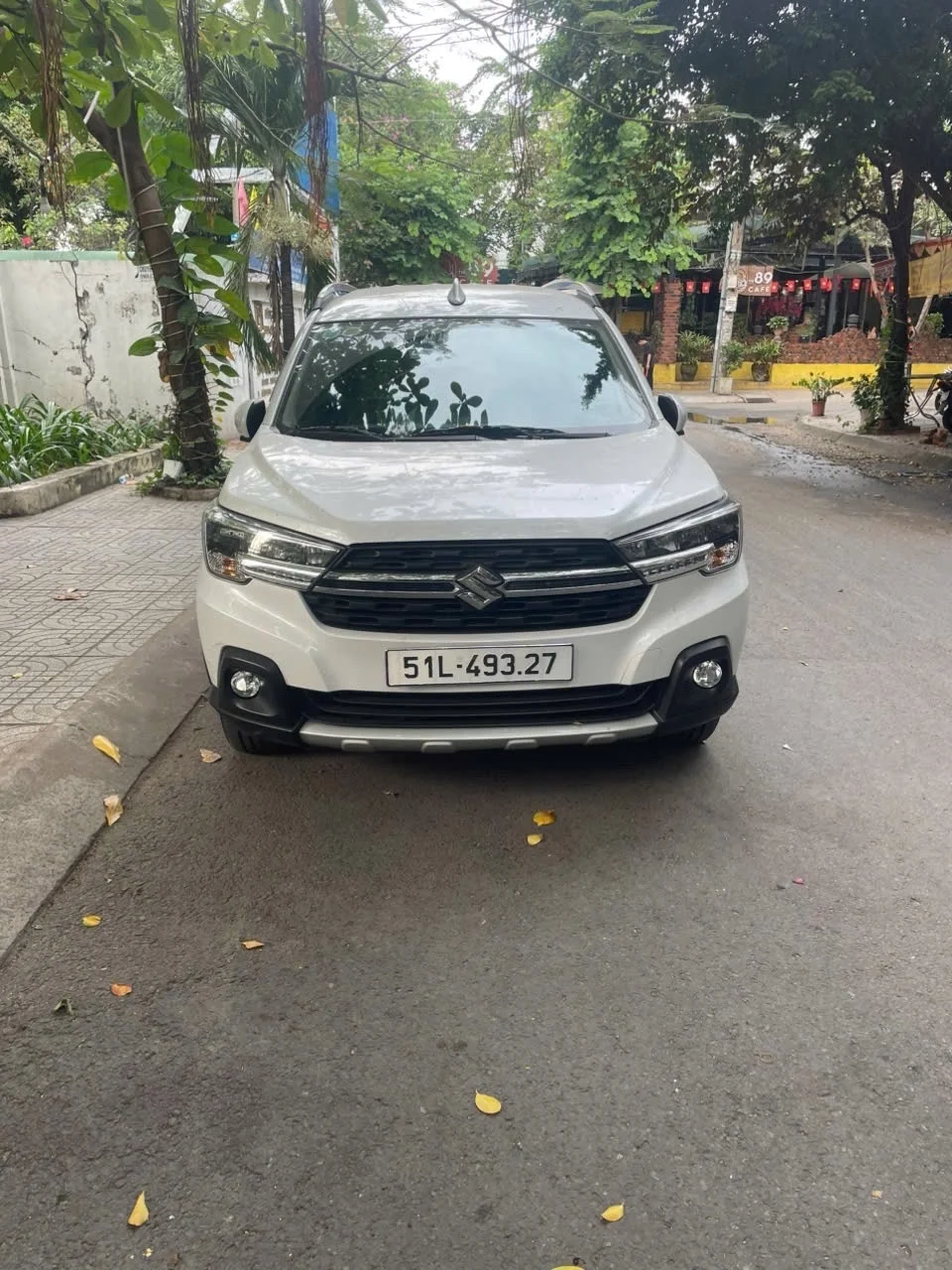
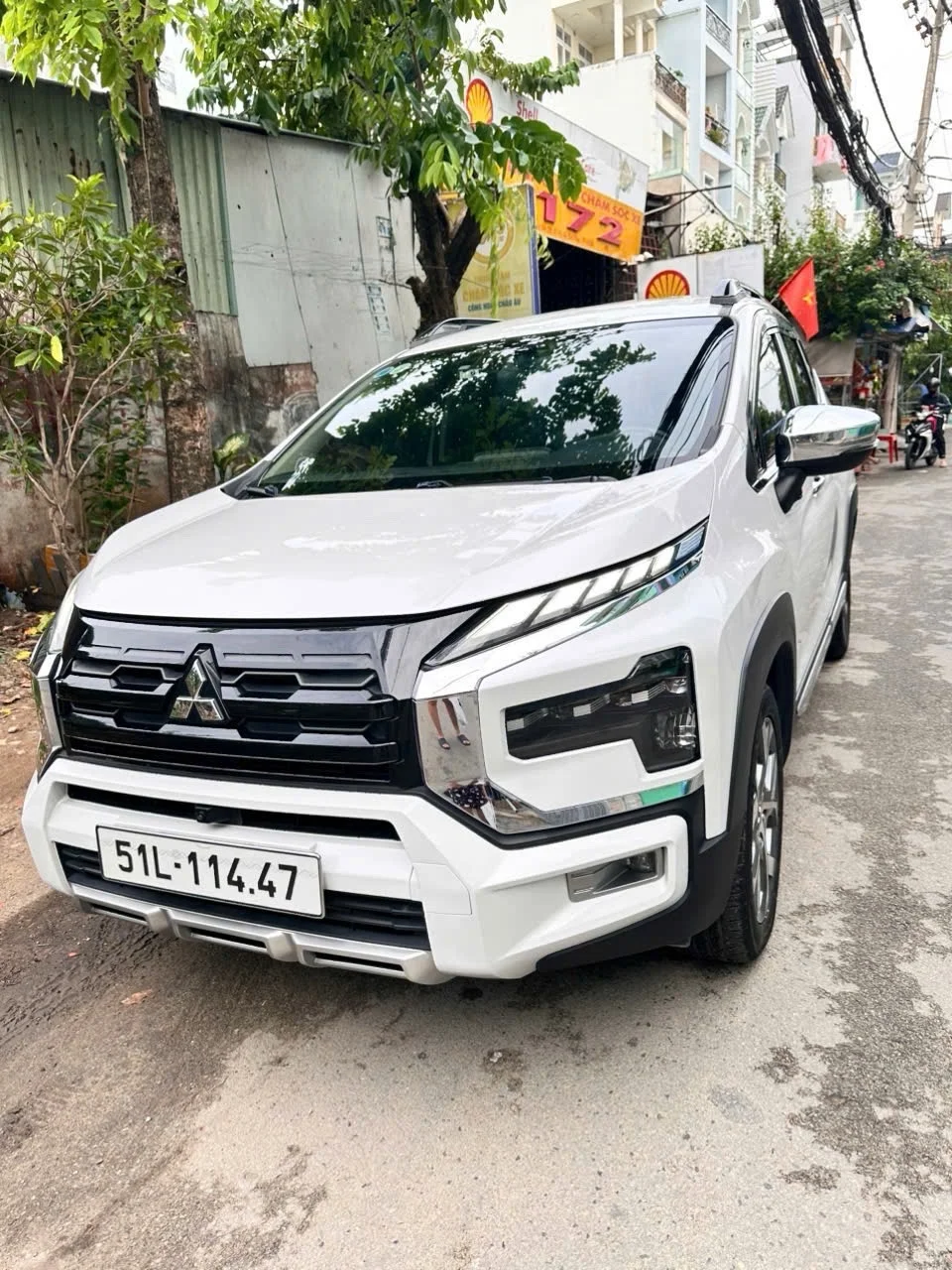
When deciding to go to Ha Long byself-driving car, the first thing you need to calculate iscar rental costs. Depending on your needs and number of people, you can choose4 seater car, 5 seats, or7 seater car.Car rental priceusually ranges from 700,000 to 1,500,000 VND/day, not includingfuel feesand other surcharges.
1.1. Choose the appropriate vehicle type
Choosing a car is not only based on the number of passengers but also on the purpose of the trip. If you travel with your family or a large group of friends, a 7-seat car will be a reasonable choice. On the contrary, if there are only 2-3 people, a 4-seat car will be more economical. Check prices on platforms like 8Car to get a clear picture of costs.
1.2. Car rental process and documents need to be prepared
To rent a car, you need to prepare documents such as a B2 driver's license, chip-mounted CCCD or VNeID. Some places may require collateral or a minimum deposit of 1 to 3 million VND. Don't forget to check the contract to avoid unnecessary hidden fees.
2. Fuel costs for the trip
Going to Ha Long from Hanoi, the distance is about 160 km, with travel time from 2.5 to 4 hours depending on traffic situation. To calculate fuel costs, you need to know the fuel consumption of the car you rent.

2.1. Calculate fuel consumption
Suppose the car you rent has an average consumption of 8 liters/100 km. With a distance of 320 km (round trip), you will need about 25.6 liters of gasoline. With the current gasoline price of about 25,000 VND/liter, the cost of gasoline will be about 640,000 VND. Please factor in additional costs for additional side trips if you plan to do additional sightseeing.
2.2. Tips to save fuel
To save fuel, you should maintain a steady speed, avoid sudden acceleration and deceleration too quickly. Driving gently not only saves fuel but is also safer throughout the journey.
3. Road and parking fees
On the way to Ha Long, you will have to pay tolls. From Hanoi to Ha Long, the toll fee is about 150,000 to 200,000 VND depending on the route chosen.
3.1. Main routes and notes when traveling
The journey can follow National Highway 5 or National Highway 1A, with equivalent time but road conditions may vary. National Highway 5 often has many vehicles, you need to be more careful to avoid congestion.
3.2. Plan parking
In Ha Long, there are many parking lots for tourists with prices ranging from 30,000 to 50,000 VND/hour. You should find out in advance the parking spots near the area you visit so you don't miss out on time.
4. Meal and sightseeing expenses
When coming to Ha Long, you also need to consider food and sightseeing costs. Food costs can range from 100,000 to 300,000 VND/person depending on the location you choose.
4.1. Choose a suitable restaurant
Many restaurants in Ha Long serve fresh seafood at affordable prices. If you want to save money, you can choose to eat at local restaurants, which are both delicious and cheap.
4.2. Sightseeing costs
Entrance fees to tourist areas such as Ha Long Bay, Ba Na Hills or other entertainment activities can cost from 200,000 to 500,000 VND/person. Make a list of attractions you want to visit to estimate the actual cost.
5. Checklist to prepare for the trip
Finally, to ensure the trip goes smoothly, you should prepare a specific checklist before departure.
5.1. Check documents and contracts
Before leaving, make sure you have all the necessary documents such as driver's license, CCCD and car rental contract. This helps avoid unnecessary trouble during the journey.
5.2. Check the vehicle before departure
Before starting, check the fuel level, tire condition, brakes and lights. A short video around the car will help record the original condition of the car, avoiding the case of unjustly losing money when returning the car.

8Car.vn – Easy rental, quality drive! Our online self-drive car rental platform is ready to accompany you anytime, anywhere:
- Streamlined process: 100% online booking, fast document approval, and flexible deposit policies with no asset collateral worries.
- Diverse fleet: Hundreds of late-model 4–7 seater EVs & gasoline cars, regularly inspected and thoroughly cleaned.
- Complete peace of mind: Transparent pricing with no hidden fees, integrated trip insurance, and 24/7 technical support.
Explore & book now to enjoy special offers and take full control of your journey!


Recent posts
-
 Best Road Trips in Vietnam for Foreign Tourists 26/11/2026
-
 Explore Vietnam by Car: The Ultimate Self-Drive Travel Guide 26/11/2026
-
 Car rental near large urban areas: How to reach customers in the surrounding area? 26/11/2026
-
 Car rental near Noi Bai Airport: What should car owners pay attention to? 26/11/2026
-
 Renting a car with a driver or renting a self-drive car: Which option fits the budget? 26/11/2026
-
 Common car rental needs around Hanoi 26/11/2026
-
 Renting a car or taking a taxi: How to calculate costs for a 2-day trip 26/11/2026
-
 Customers booking cars online: What should be noted in the car rental contract process? 26/11/2026
-
 Checklist of costs to inquire about before confirming a car rental. 26/11/2026
-
 Weekend road trip costs by rental car: How to split expenses per person. 26/11/2026